Halong Tour: Read the Cruise Itinerary Before You Book
November 26, 20266 min read
Two Halong tour descriptions can list the same caves, kayaking and lunch yet deliver very different days. One may leave time to sit on deck; another may move quickly between excursions. The difference often lies in the sequence and practical details hidden behind a short sales description.
Before comparing photographs or cabin upgrades, read the programme as a day you will actually live through. This guide helps you turn an itinerary into useful questions about time, activities, costs and alternatives, so you can choose a trip that fits your group rather than the longest list of attractions.
Separate the whole trip from time on the water
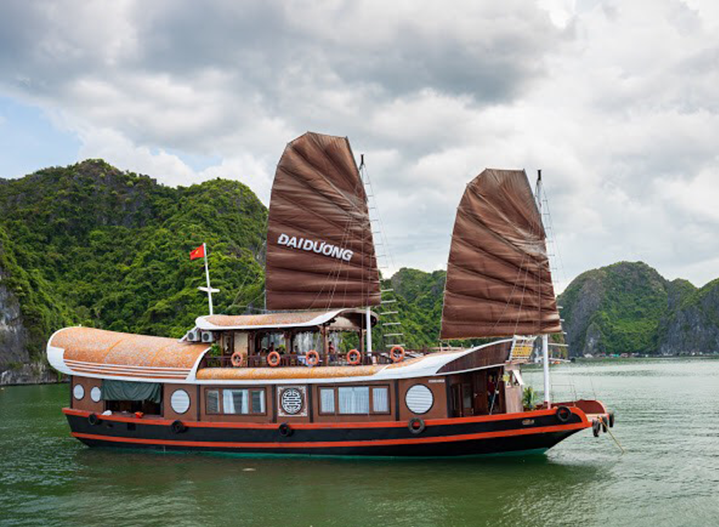
Leave space in the programme to appreciate the bay between scheduled visits. (Source: Collected)
Start with four points: your pickup, arrival at the meeting place, boarding and final drop-off. A tour described as a full day can include substantial road travel. An overnight itinerary spans two calendar days, but that does not mean two complete days of sightseeing. Ask for the actual boarding and disembarkation windows.
Next, distinguish scenic sailing from transfers between activities. A tender ride to the main vessel, a meal while moving and time anchored near an excursion are different parts of the experience. None is necessarily a problem, but knowing the sequence helps you judge the pace realistically.
Mark your own fixed commitments beside the programme. If you need to reach Hanoi afterwards, compare the planned arrival with your next reservation and leave a margin for delays. For the land connection, use our Hanoi to Ha Long Bay transfer guide rather than assuming every cruise uses the same terminal.
Finally, ask when there is genuinely unstructured time. Travelers hoping to read, photograph changing light or enjoy a balcony may prefer fewer excursions and a longer pause between them. A crowded timetable is not automatically better value.
Read each stop as an activity, not just a place name
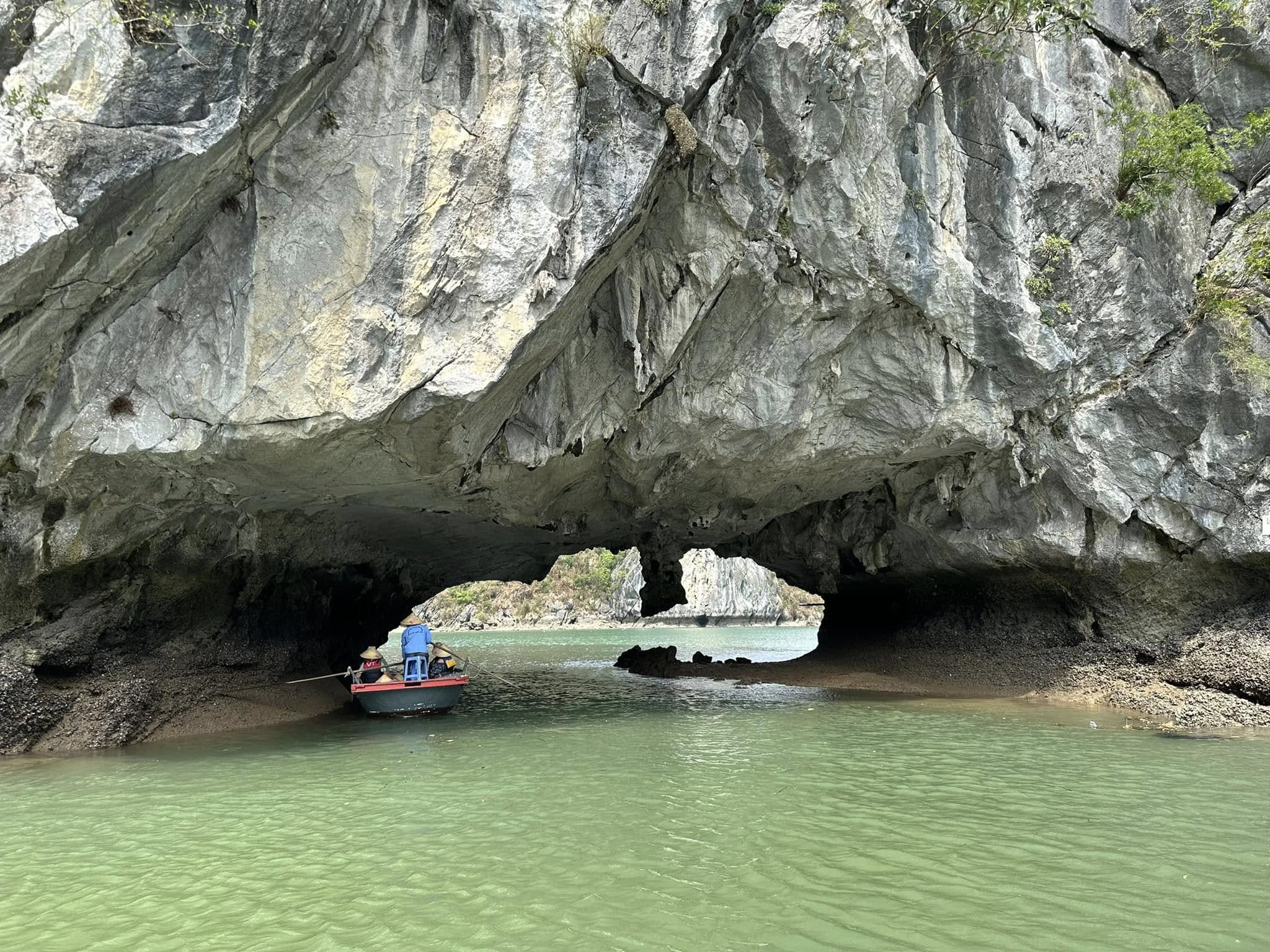
A cave excursion may involve a boat ride rather than a walk. Check the experience described in your own itinerary. (Source: Collected)
A named cave or island tells you where an excursion goes, but little about what participation involves. Ask whether you walk through a cave, remain in a rowing boat, paddle yourself or climb steps to a viewpoint. These experiences can have very different physical demands and take different amounts of time.
Check the excursion sequence, including transfers from the vessel, gathering the group and returning equipment. A short activity can occupy a larger part of the afternoon once those transitions are included. If several stops are tightly packed, ask which experience normally receives the most time.
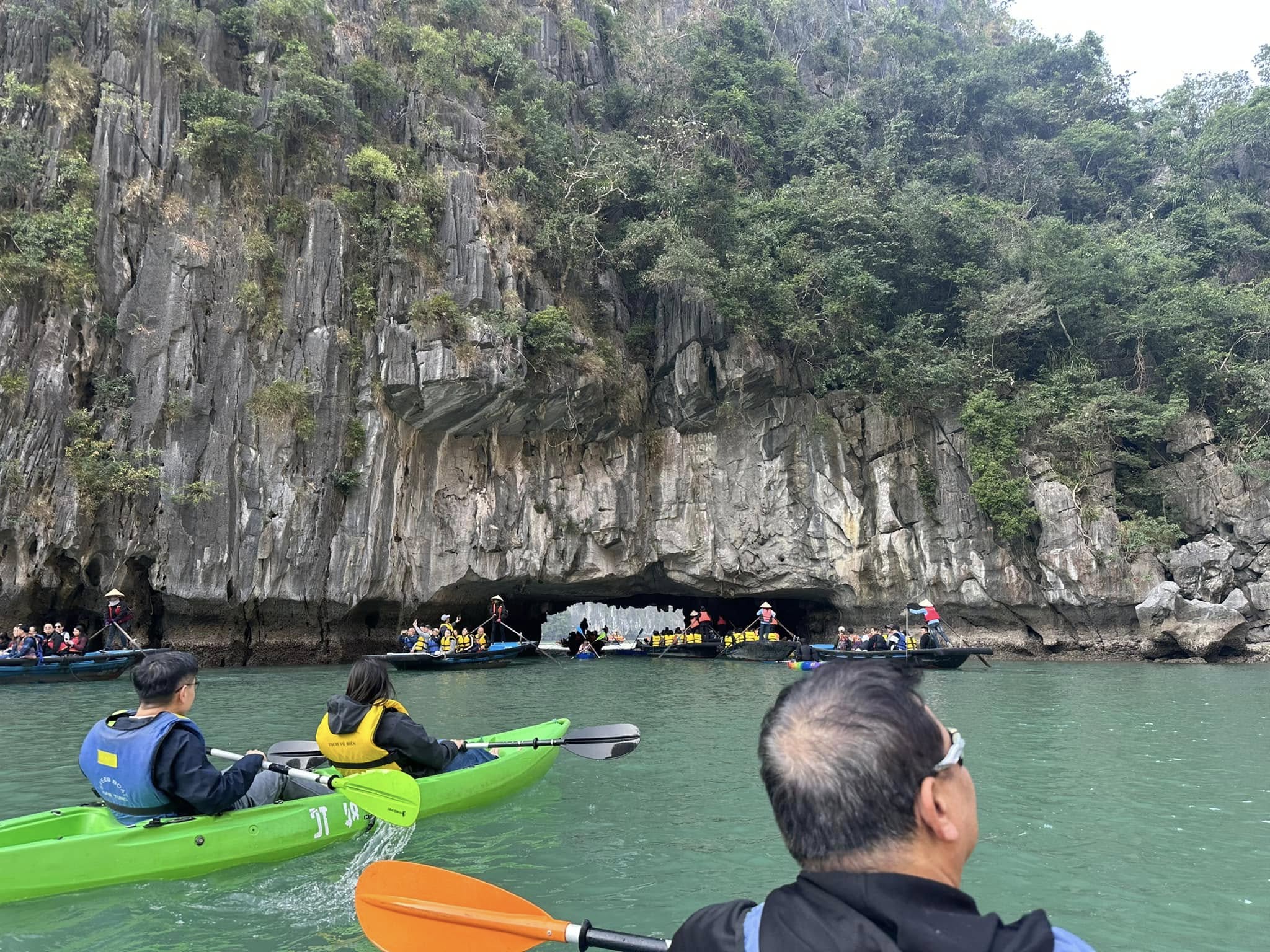
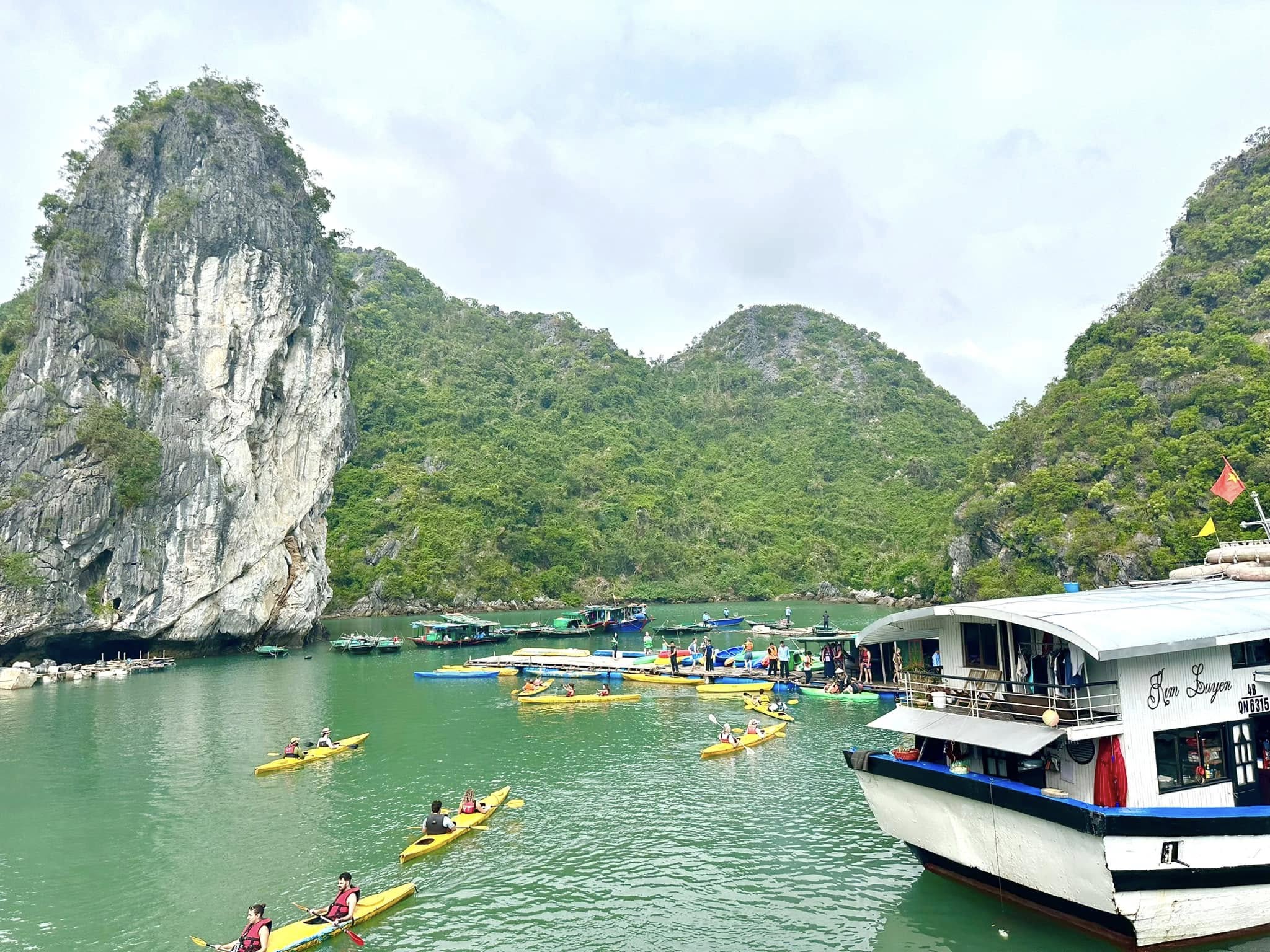
Kayaking deserves a separate question. Confirm whether it is included, where it takes place and whether a guided session or independent paddling is planned. Do not assume a rowing-boat alternative is available simply because you have seen one in another itinerary. Ask about the alternative for anyone who prefers not to paddle.
Use the Halong Bay travel guide for the wider destination background. Here, the important test is more specific: can the seller explain what you will do at every advertised stop, without treating optional or conditional activities as guaranteed?
Match the sequence to the people traveling
Ask how kayaking is organised and what options apply to travelers who prefer not to paddle. (Source: Collected)
Imagine the least comfortable member of your group following the programme. Would an early start, repeated boarding or several stair climbs make the day tiring? Ask about boarding surfaces, handrails, steps and the route between a cabin, dining area and outside deck. A broad description such as suitable for everyone is less useful than those details.
For families, discuss children's ages when requesting a quotation. Confirm sleeping arrangements for an overnight trip and ask how children participate in excursions. Photos of a large cabin or a family kayaking do not establish the arrangements for your own booking.
Meals also affect the rhythm. Ask when the first substantial meal is served and whether long gaps need planning around. Explain dietary requirements before paying and request a specific response. A general promise of an international menu does not answer a question about ingredients or cross-contact.
Agree on priorities together before comparing boats. One person may want active exploration while another values comfortable sightseeing. Ask whether staying aboard during an excursion is possible and what facilities remain available. Sometimes the best itinerary is the one that lets people participate differently without feeling hurried.
Compare the same services before comparing prices
Read the inclusion list to understand which activities and services your quotation covers. (Source: Collected)
Place two written quotations side by side and check whether they cover the same journey. Transfers, sightseeing tickets, meals, drinks, excursions and cabin arrangements should each have a clear answer. If a service is not mentioned, ask rather than interpreting silence as inclusion.
For example, included kayaking does not tell you whether every other activity is covered. A welcome drink does not describe the beverage package. An attractive price for two guests may also use a different cabin category or transfer arrangement from the alternative you are considering.
Ask for the total for your exact travelers and dates, with any compulsory supplements identified. Keep optional spending separate so you can decide what matters. You do not need a prediction of every incidental expense, but the core services should be clear before payment.
Then judge the difference against your priorities. Paying more for a feature you will barely use may add little to your holiday. Conversely, a better-timed transfer or a more suitable cabin can improve the whole trip. Browse our cruises and bay experiences with that complete comparison in mind.
Understand what happens when the plan changes
Water activities depend on local conditions and the operator’s programme. (Source: Collected)
An itinerary is a planned sequence, not a promise that conditions will permit every excursion. Weather and operating decisions can change activities. Ask how the operator communicates changes and what happens if sailing is suspended, the journey is shortened or an individual activity cannot proceed.
Read the applicable cancellation and refund terms before paying. Distinguish a guest choosing to cancel from an operator changing the programme. Do not assume that losing one excursion automatically produces the same outcome as a complete cancellation; request the terms that apply to your booking.
Keep important arrangements in writing: vessel, dates, meeting point, accommodation, included services and agreed requests. Recheck departure instructions near your travel date. If a particular activity is the reason you are booking, decide whether you would still enjoy the trip without it.
A useful final question is simple: does this programme leave enough room to enjoy the bay? Choose the Halong tour whose pace, practical arrangements and fallback options you understand. Send us your dates, group needs and shortlisted programme through the trip planner if you would like help comparing the details.