Hanoi Tours: Four Ways a Local Guide Can Enrich Your Visit
November 26, 20266 min read
You can explore much of Hanoi independently, but a good guide can change what you notice. A street becomes a story about traders and families; a bowl of noodles becomes an introduction to ingredients and everyday routines. The most useful Hanoi tours add understanding rather than simply moving you between places you could find yourself.
Think about the questions you would like answered before choosing a programme. These four approaches show where guided time can be especially rewarding, from neighbourhood walks to food encounters, cultural sites and pottery traditions. Choose a focus that makes you curious, then leave space to explore further on your own.
Read the Old Quarter through its streets and buildings
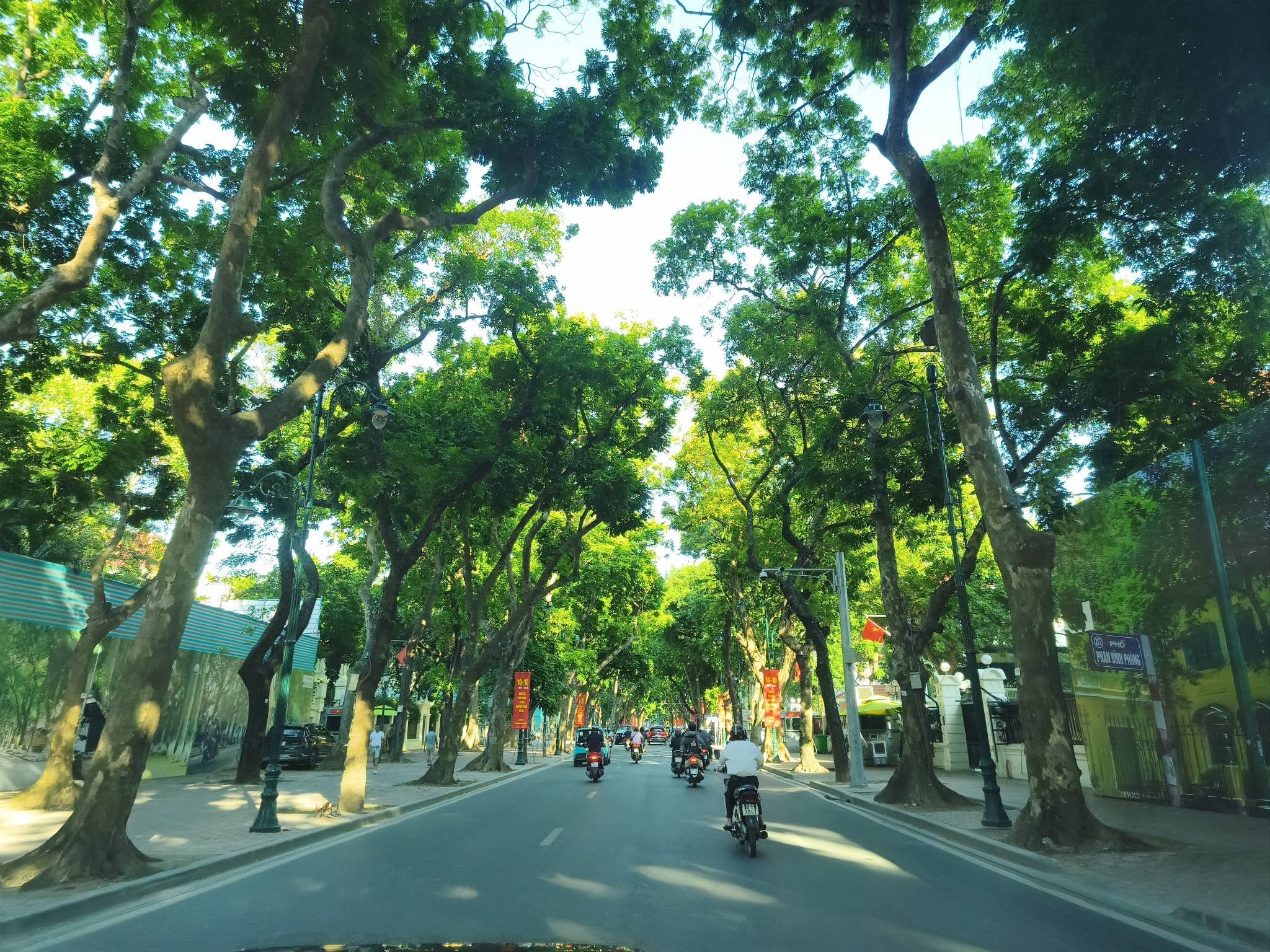
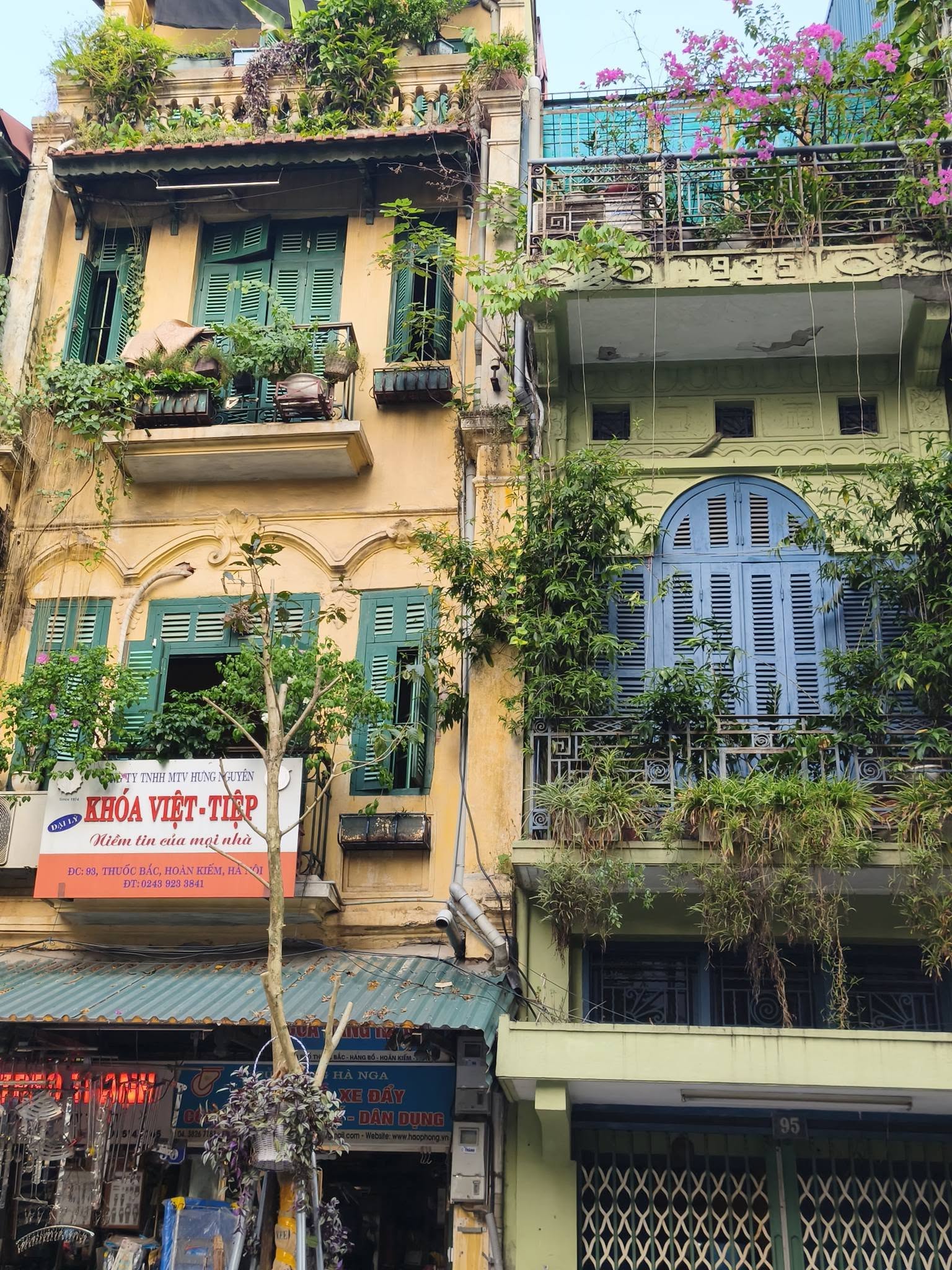
Street-level detail gives a neighbourhood walk subjects to explore beyond a checklist of landmarks. (Source: Collected)
A neighbourhood walk is a good introduction when Hanoi feels busy and difficult to interpret. Rather than trying to visit every famous street, ask your guide to connect a small area through a theme: trade, architecture, community worship or the relationship between homes and shops.
The Old Quarter's guild history gives its street names meaning, but contemporary life is equally interesting. A guide can help you notice how a narrow frontage relates to the space behind it, why a communal building stands among businesses, or how different activities share the same street. Those observations make later independent walks richer.
Ask how the route balances walking and conversation. A programme with many named stops can leave little time to look closely or ask questions. For someone interested in architecture, a slower walk around a few buildings may be more valuable than a fast circuit of the district.
Discuss your preferred pace and any difficulty with uneven surfaces or standing. Even a short route can feel tiring when it involves repeated stops in busy surroundings. Confirm where breaks are possible and whether the start and finish are convenient for your accommodation.
Keep photographs respectful and let the guide ask before entering a working or residential space. Access is not an entitlement that comes with a tour ticket. For wider orientation before the walk, see our Hanoi travel guide.
Understand a meal through a guided food experience
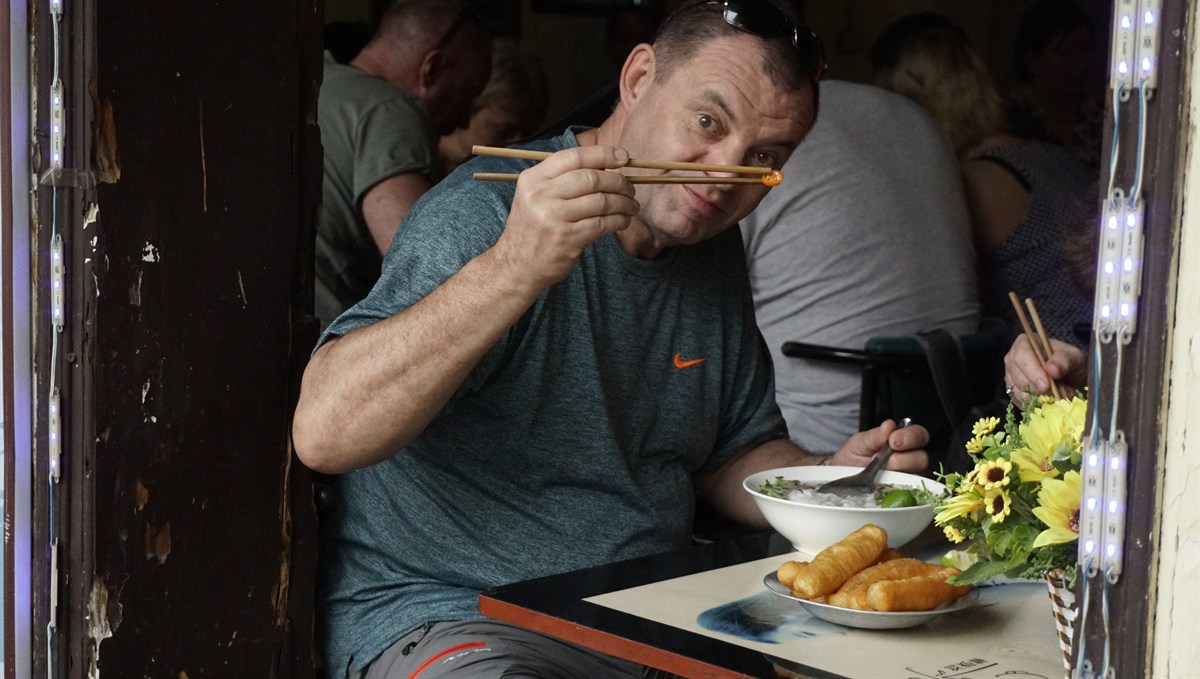
A food encounter can provide space to ask about dishes and how they are enjoyed. (Source: Collected)
A food-focused outing can help you become more confident ordering for the rest of your stay. Look for a programme that explains dishes, ingredients and ways of eating, rather than judging its value only by the number of tasting stops.
Useful conversation might cover why a dish arrives with separate herbs, how sauces change a mouthful, or what makes one preparation different from another. You can also ask which dishes are practical to order alone and which are easier to share. Take notes on names you would like to recognise later.
Check whether the experience is a tasting walk, a market visit, a cooking class or a combination. Watching a chef demonstrate something is different from preparing it yourself. Ask how much practical participation a class involves and whether the dishes you cook form the meal afterwards.
Explain dietary requirements in advance and request a specific response. A guide can communicate with vendors, but cannot guarantee that a small kitchen can prevent every form of cross-contact. If a requirement cannot be accommodated confidently, choose a different experience rather than relying on a last-minute substitution.
Leave enough appetite for the planned portions and agree how drinks and additional orders are handled. Our Hanoi food guide gives background on dishes; guided time is an opportunity to understand how those foods fit into everyday life and to ask the questions a menu cannot answer.
Connect cultural sites through a clear historical theme
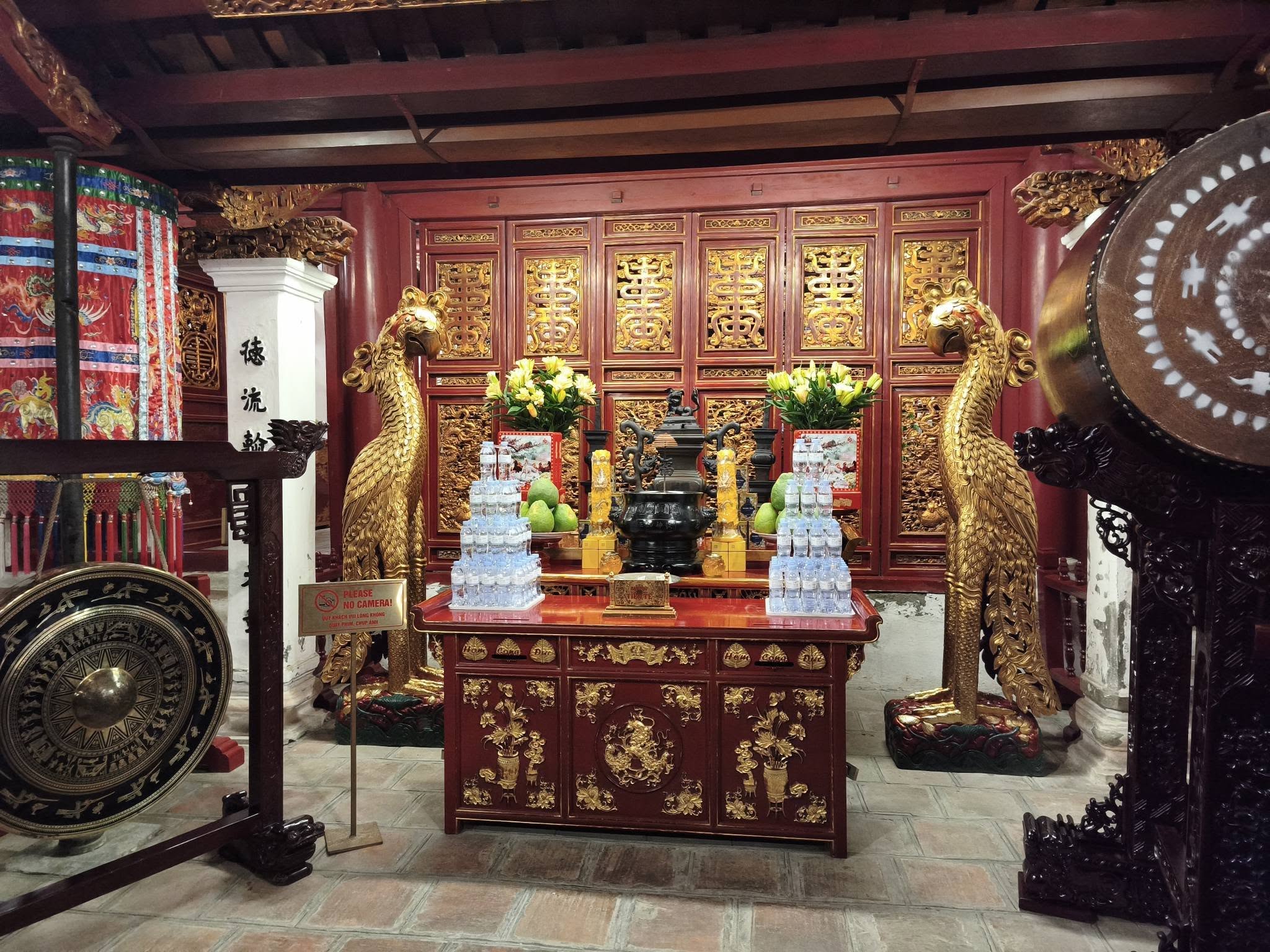
A guided cultural visit can place architectural and devotional details in context. (Source: Collected)
Hanoi's cultural places become more memorable when they form a coherent story. Before booking, ask what connects the proposed visits. Education, religious practice, national history or the changing city can each provide a useful thread, without trying to compress every period into one day.
For example, a temple visit can invite discussion of the people commemorated there, the purpose of an altar and the customs visitors observe. A guide should distinguish documented history, local belief and their own interpretation. That makes the explanation more useful than a stream of dates or an unqualified legend.
Choose depth according to your interests. Someone fascinated by architecture may want time to examine decorative detail; a family might appreciate a shorter explanation followed by questions. Tell the organiser which approach suits you rather than assuming every cultural tour uses the same style.
Discuss whether a guide accompanies you inside each site, how tickets are arranged and which visits depend on access that day. Opening arrangements and special events can change, so check the confirmed programme near departure. Avoid treating an exterior photo stop as equivalent to a substantial interior visit.
Give the story time to settle. A pause after one meaningful visit can be more enjoyable than another hurried stop. Use our Hanoi cultural attractions guide to identify a subject you would like to explore, then ask the organiser to build around it.
Meet a craft tradition beyond the finished souvenir
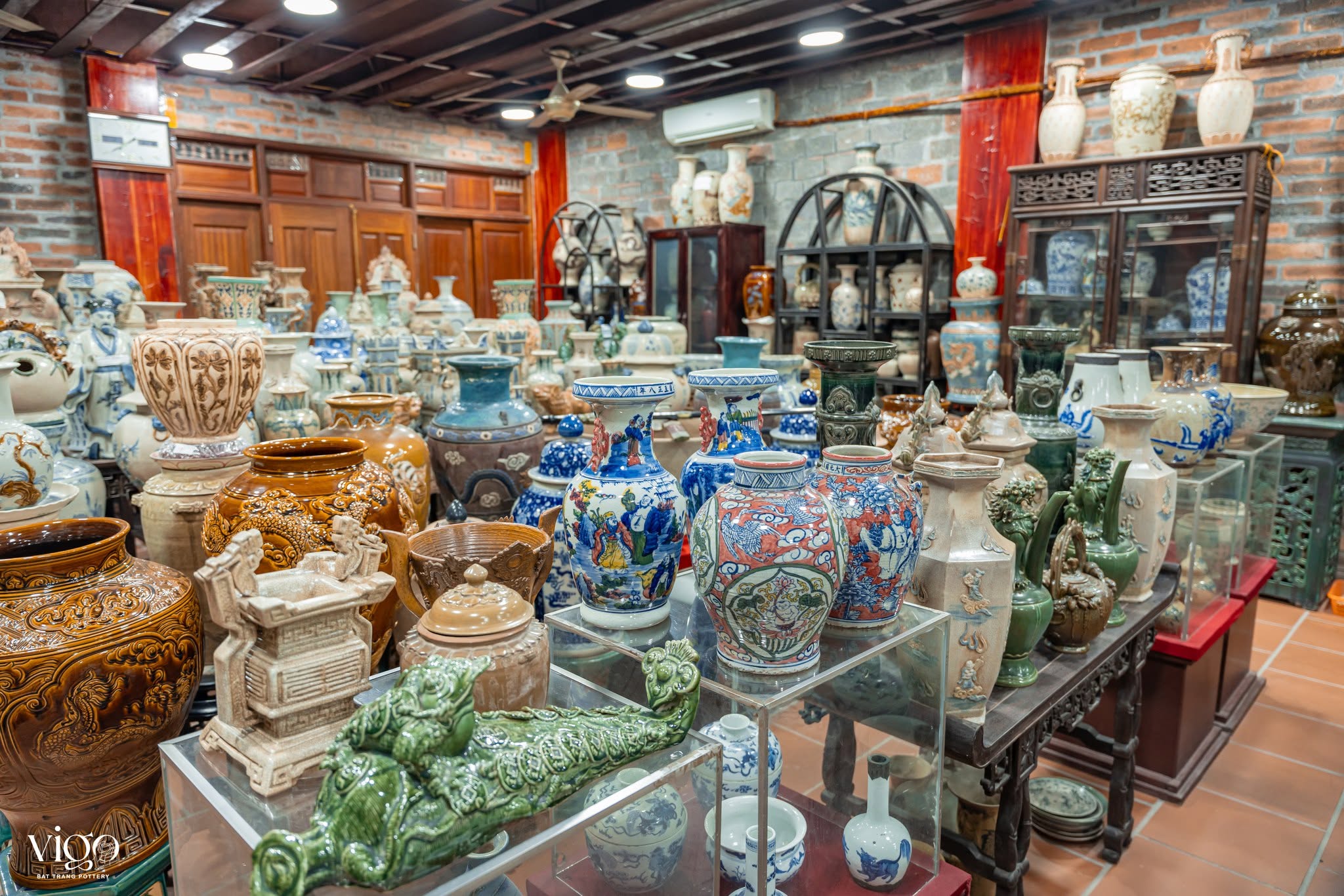
At Bat Trang, finished ceramics provide a starting point for learning about the craft behind them. (Source: Collected)
A craft-focused tour is worth considering when you want to understand how something is made and the people behind it. Bat Trang offers a pottery setting where shops, ceramics and hands-on activities can provide different perspectives on the same tradition.
Ask what the visit actually includes: browsing finished pieces, watching a demonstration, meeting a maker or joining a workshop. These are different experiences. A guide who can interpret questions may help you understand the choices behind a shape, glaze or decorative pattern, rather than simply directing you towards a purchase.
For a practical session, confirm what you will make and which stages you will complete yourself. Shaping, painting, drying and firing are separate processes. Ask whether your piece can be collected that day, whether a later collection is needed and what delivery arrangements or charges apply. Do not assume every workshop handles these stages in the same way.
A village also remains a place where people work. Photographs and access should follow the host's permission, and a demonstration should not be presented as unrestricted entry into every workshop. Leave yourself free to appreciate the process without feeling obliged to buy.
Our guide to traditional craft villages near Hanoi helps you compare the wider possibilities. For any of these Hanoi tours, send the organiser your interests, available time, preferred group format and access needs. The right match should explain what guided time adds and leave you eager to keep discovering the city afterwards.