Hoi An in Vietnam: Where to Stay and a First-Time Itinerary
November 07, 20266 min read
Hoi An in Vietnam is best explored at a pace that leaves room for a second look. A quiet morning street can feel very different after the lanterns come on, and a short ride beyond town takes you toward vegetable plots and the coast. Give yourself time for those changes rather than treating the destination as an evening stop between transfers.
Two nights allow a focused introduction. Three nights make it easier to combine the Ancient Town with a village experience and some time by the sea. Start by choosing a base that suits your habits, then build the days around a few experiences you genuinely want to understand.
Choose where to stay in Hoi An
Accommodation near the Ancient Town suits travelers who want to walk to restaurants and return easily after dinner. Ask about evening noise, room access and the closest vehicle drop-off point. A room described as central can still involve a walk with luggage, so check the exact address before booking.
Cam Chau and the surrounding countryside can suit guests who prefer garden settings and cycling access. Ask how you will get back after an evening in town and whether the property serves meals. An Bang is a useful alternative if the beach is your priority, with old-town visits arranged around your time on the coast.
For a short stay, one hotel is usually enough. Compare the room, transfer needs and daily routine together instead of changing accommodation simply to sample every neighborhood. If you are weighing up a split stay, our Da Nang travel guide explains another nearby base.
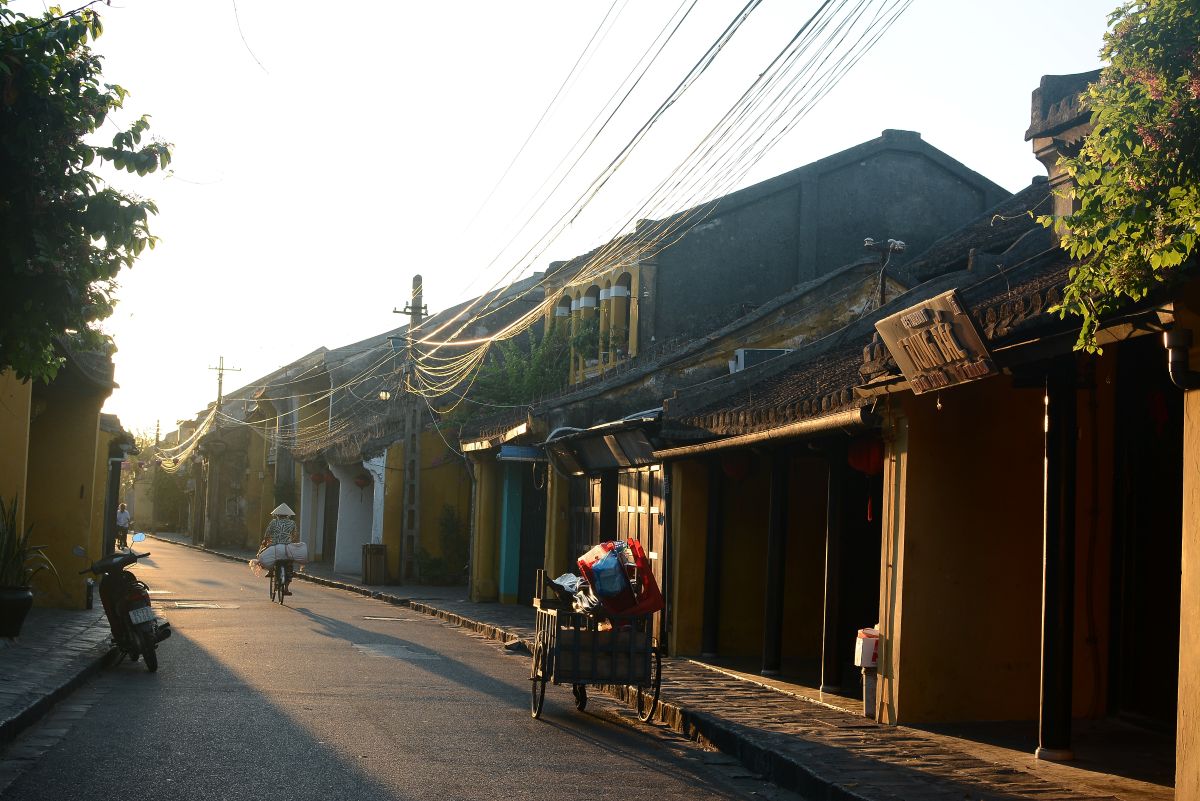
Morning light reveals a quieter side of the Ancient Town.
Read the Ancient Town through its buildings
Hoi An’s heritage is easier to appreciate when you look beyond the shopfronts. Merchant houses, assembly halls and the Japanese Covered Bridge reflect a town shaped by trade and cultural exchange. Select a few interiors and leave time to notice courtyards, timber details and the relationship between buildings and the river.
A local guide can help connect those details with family histories and the goods that once moved through the port. Ask which heritage sites are currently open and what your sightseeing ticket covers. Plan around present access arrangements rather than an old list of opening times.
Walk the same area at another time of day. Early streets can be useful for observing deliveries and the town waking up, while evenings bring a different atmosphere around the river. Ask before photographing people at close range and step aside when stopping in a busy passage.
The Japanese Covered Bridge connects a walk with the trading history of Hoi An.
Choose a village experience with something to learn
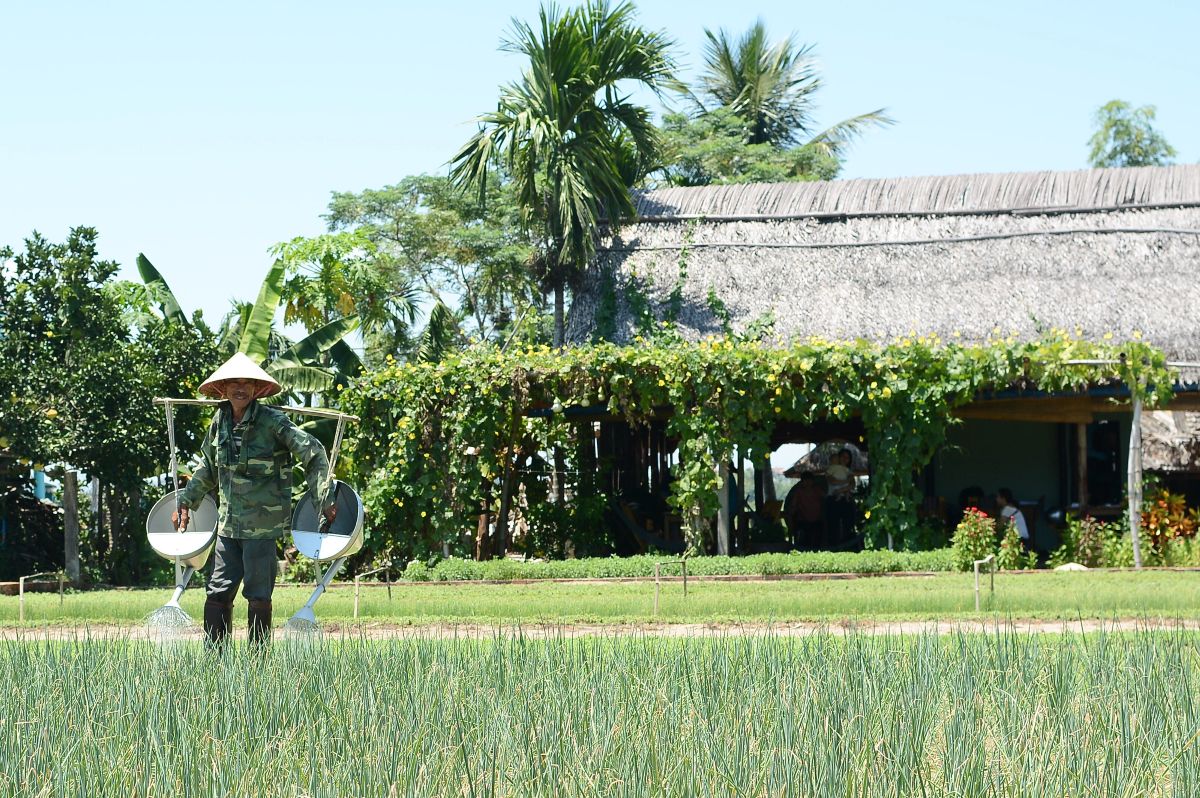
Tra Que offers a way to connect local ingredients with the meals you eat in town. A garden visit can explain how herbs and vegetables are cultivated, followed by a cooking activity if that interests you. Ask what participation involves and how much time is spent learning rather than moving between stops.
For a craft-focused outing, consider Thanh Ha and discuss the workshop format before booking. Watching a skilled potter and trying a simple task can be rewarding when there is time for explanations. Confirm whether the price includes materials and whether any finished item can travel home with you.
If you prefer cycling, request a route suited to your confidence, including information about traffic, surfaces and rest stops. Check the bicycle before leaving and agree on an alternative if heat or rain makes the ride uncomfortable. You can still enjoy countryside views with a vehicle transfer and a short walk.
Allow time to ask how a craft is used locally and how a maker learned it. If you buy something, check its materials, care requirements and packing needs. Those practical conversations can turn a shopping stop into a useful lesson about the work behind the object.
A garden visit connects everyday cultivation with the ingredients used in local cooking.
Keep beach time and travel days flexible
An Bang can provide a change of pace after heritage sightseeing. Plan swimming around local conditions, follow beach instructions and leave room to choose another activity if the sea is unsuitable. A café, workshop or leisurely meal can make a useful alternative without adding a complicated transfer.
For arrival, save the name, address and map pin of your accommodation. If you land or arrive by train in Da Nang, confirm the onward pickup point and share any schedule changes promptly. On departure, allow time for the road journey and your carrier’s check-in requirements.
Check the forecast for your actual dates. Heavy rain can affect walking routes and travel arrangements, so ask your hotel or guide about local access when conditions change. Choose flexible booking terms where possible, particularly for outdoor excursions.
A balanced three-night Hoi An itinerary
Day 1: Arrive, settle in and walk near your accommodation. Keep the evening simple, with dinner and an introduction to the riverfront if you feel rested.
Day 2: Explore the Ancient Town with a guide in the morning. Leave space for lunch and a break, then return to one area that interested you or try a small craft workshop.
Day 3: Visit Tra Que or Thanh Ha. Spend the afternoon at An Bang if conditions suit, or keep it free for cafés, shopping and another walk. Avoid booking a workshop, a beach trip and a long excursion into the same day.
Day 4: Enjoy breakfast and depart according to your transport schedule. For two nights, combine the old-town morning with one shorter activity and leave the beach as an option.
Yes, if you want to experience more than an evening walk. Staying nearby gives you a morning in town and time for a village visit without returning to another city each night.
Should I book a guide?
A guide can add context to heritage buildings, crafts and food. You can combine one guided morning with independent time, depending on your interests and confidence.
Do I need a fixed schedule?
Book essential accommodation and transfers, then leave some space around outdoor activities. A few well-chosen experiences and time to revisit a favorite street make a strong first stay.