Junk Boat Tour in Halong Bay: Choosing a Traditional-Style Cruise
November 11, 20266 min read
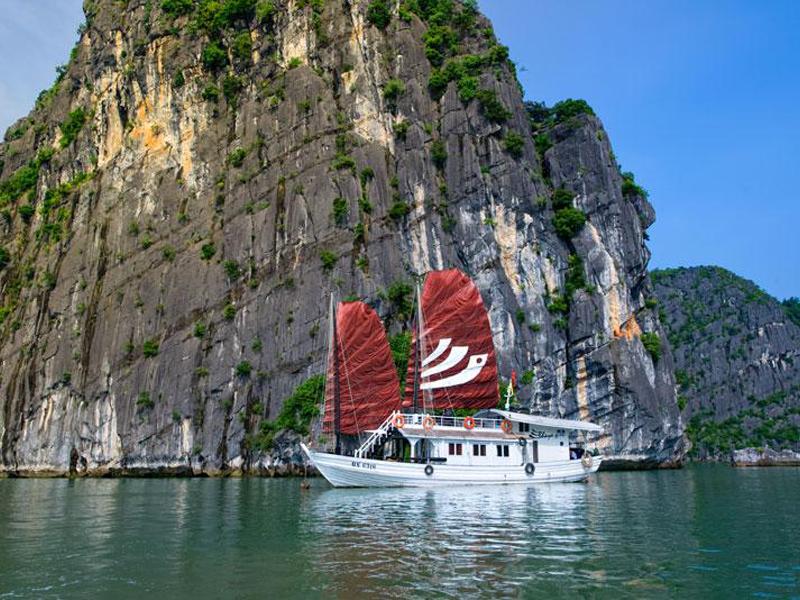
A junk boat tour in Halong Bay appeals to travelers imagining a smaller vessel, timber interiors and a slower encounter with Vietnam’s limestone seascape. Yet booking descriptions do not always mean the same thing. Before choosing, establish the actual boat, route and time aboard. This guide focuses on the traditional-style cruise experience, rather than repeating a general list of bay attractions, and explains how to compare comfort, activities and practical arrangements without relying on a photograph of raised sails.
What does a junk boat tour actually offer?
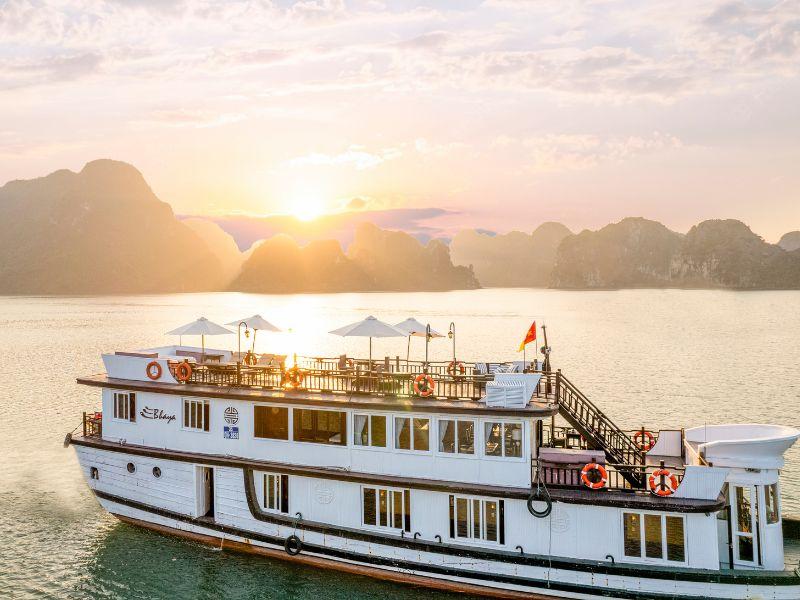
A Bhaya Legend vessel illustrates one style of small-group cruising available in the bay.
In tourism listings, “junk boat” often describes a traditional-looking vessel or a cruise inspired by that design. It does not, by itself, tell you the hull material, cabin standard or way the boat operates. Ask the company to identify the exact vessel and provide current photographs. A decorative sail in a promotional picture is not a promise that your journey will take place under sail.
Smaller boats may appeal to couples, families or friends who value intimate shared spaces. That does not automatically mean every trip is a private charter: some departures sell cabins individually, while others reserve the whole vessel for one group. Confirm the arrangement, maximum passenger number and crew support before comparing prices.
Look beyond the exterior. Ask about ventilation or air conditioning, bathroom arrangements, stairways and the amount of shaded outdoor seating. For overnight travel, check cabin size, bed configuration and whether a specific cabin is guaranteed. Our Halong Bay cruise guide explains the wider range of boats, helping you decide whether traditional styling matters more than space or particular facilities.
Choose the length and route before the décor
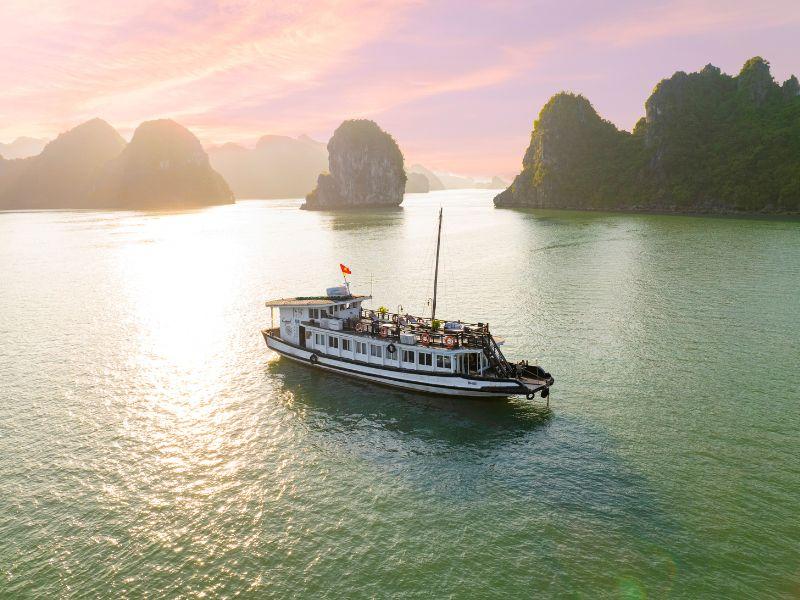
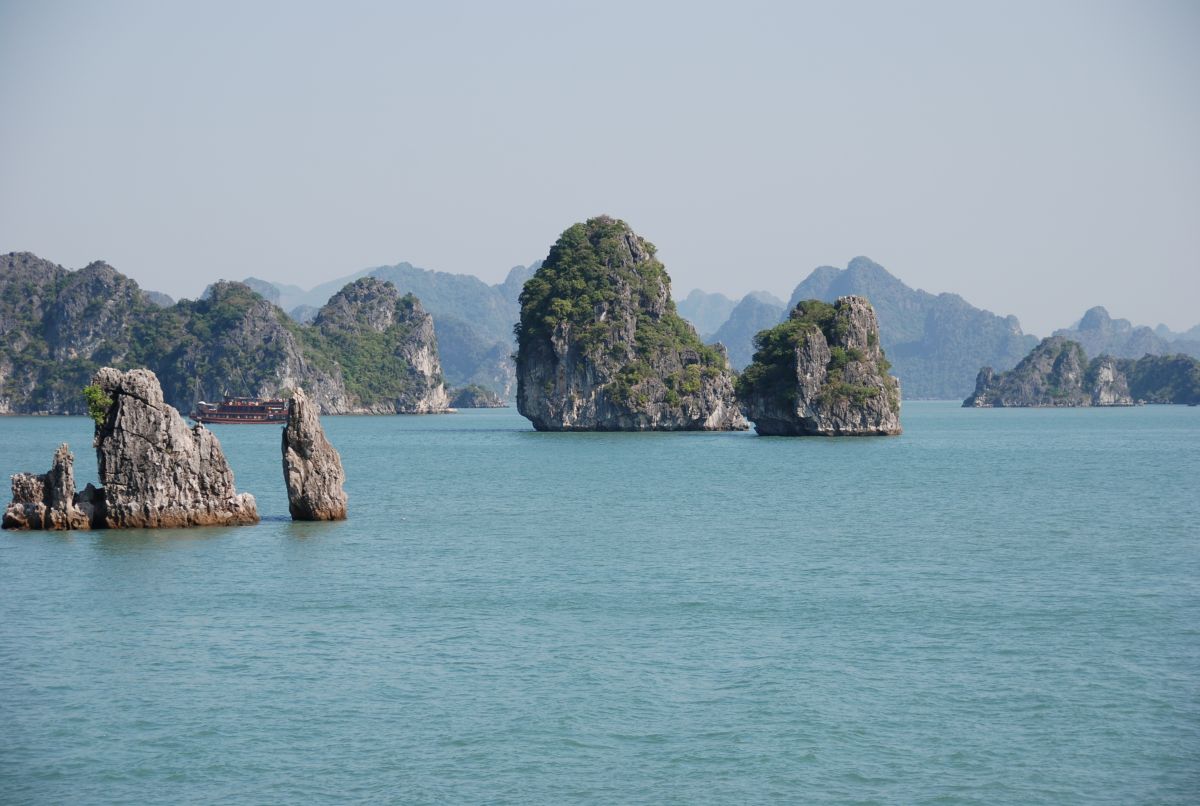
A cruise among limestone islands can include time on deck as well as organized excursions.
A day cruise is useful when you want time on the water without changing accommodation. An overnight itinerary adds a different rhythm: meals aboard, quieter periods between excursions and the possibility of an early morning on the bay. A longer cruise can provide more breathing space, but extra nights do not necessarily mean entirely different scenery every day.
Compare the actual program rather than the label “two days.” Boarding and disembarkation occupy parts of those days, and road transfers are additional. Ask how much time is spent cruising, on excursions and at anchor. For a day trip, establish whether the advertised duration means time aboard or the complete journey from Hanoi.
Halong Bay, Lan Ha Bay and Bai Tu Long Bay are frequently discussed together, but a booking should specify the approved route for your vessel. Do not assume a smaller boat can go anywhere or bypass navigation restrictions. A private charter may offer choices within permitted arrangements, not unlimited access. Tell the organizer whether caves, gentle scenery or fewer scheduled activities matter most, then request the proposed itinerary in writing.
Match onboard comfort with the people traveling
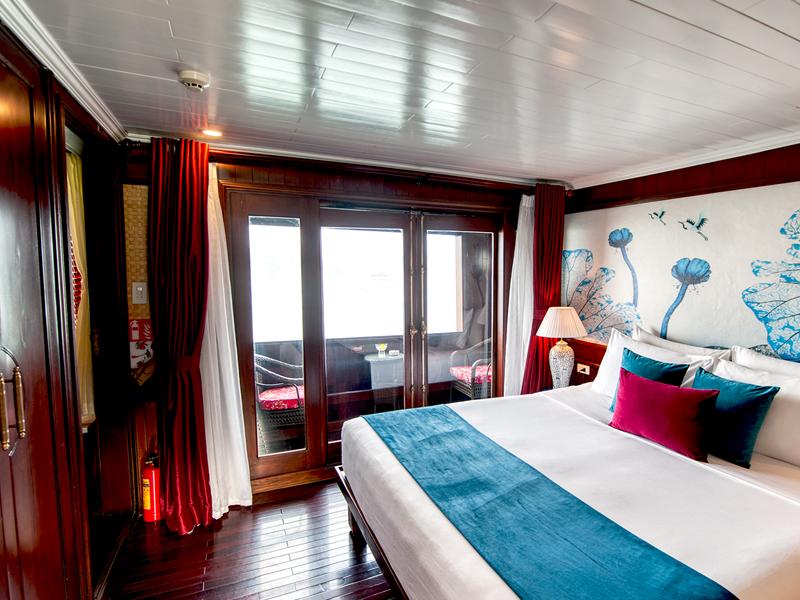
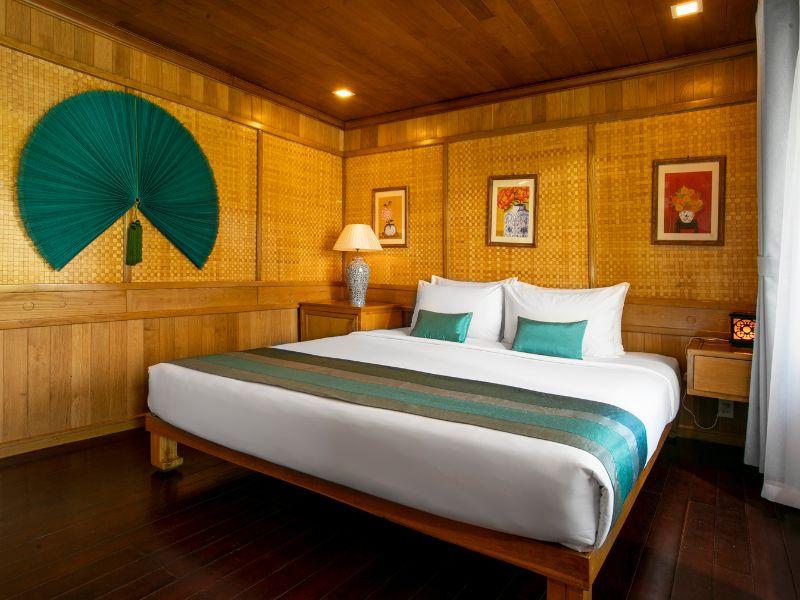
Check the cabin layout and bedding before choosing an overnight cruise.
A traditional-style cruise works best when the boat suits the group. Families should ask about cabin occupancy, child policies and suitable life jackets. Older travelers or anyone with limited mobility need clear information about gangways, cabin access, steps and possible transfers to smaller boats. Photographs rarely show the full boarding process, so request a practical explanation.
For overnight trips, consider where the cabin sits relative to machinery and shared areas. Ask the operator about its usual generator and air-conditioning arrangements, rather than assuming complete silence at anchor. Travelers sensitive to motion should discuss their concerns before booking and bring any personal travel essentials recommended by their own healthcare professional.
Check meals as carefully as the room. Notify the company about allergies and dietary requirements before payment and ask what it can reliably accommodate. A smaller kitchen may have limitations. Confirm drinking water, beverages and any additional charges in the quotation. Thoughtful preparation is especially useful for a private group, where everyone may have different expectations of dining, rest and evening activities.
Look for experiences, not a guaranteed checklist
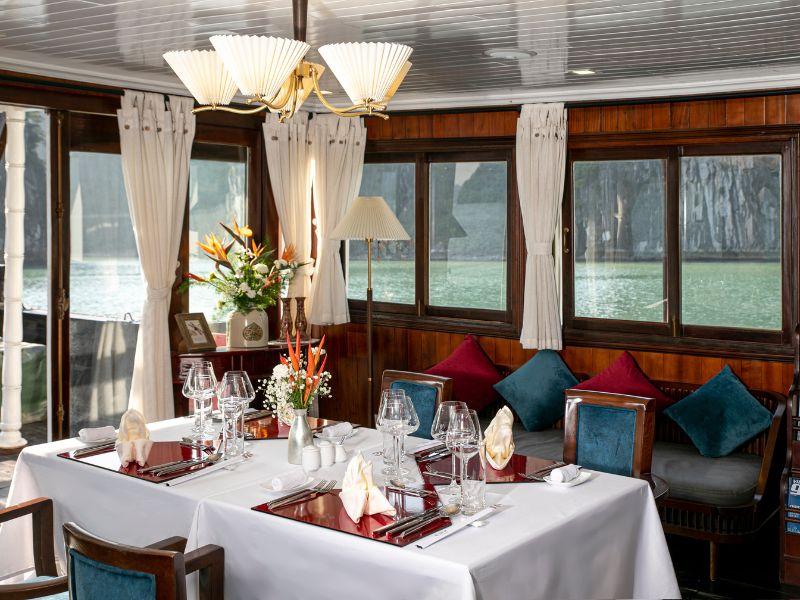
Dining spaces and meals are part of the onboard experience to compare before booking.
Depending on the booked route, a cruise may offer cave visits, kayaking, rowing-boat excursions or time to observe the limestone formations from the deck. These activities differ between vessels and can change with conditions. Ask which are included, which are optional and whether you can remain aboard instead. A fuller activity list is not always a better match for a relaxed holiday.
Use excursions to learn something about the bay. Ask your guide about local livelihoods, the landscape and the rules that protect it. When visiting community-related sites, respect residents and avoid treating everyday life as a performance. Do not touch cave formations, leave rubbish or disturb wildlife for photographs.
For water activities, listen to the crew’s briefing, wear the required safety equipment and stay within the authorized area. Do not swim simply because the water looks calm. Follow current instructions about access and conditions. Weather can alter an itinerary, so review the company’s cancellation and rescheduling terms before paying. Keep some flexibility in the surrounding land itinerary instead of planning every connection around an unchanged sailing.
Compare cancellation terms for the cruise and transfer separately, particularly when they are sold by different companies. Keep the first day after a long flight unhurried. A night on land before boarding can make the experience easier to enjoy and reduce dependence on an on-time arrival.
Quick Recap
Cabin comfort is one consideration when matching a traditional-style boat to your group.
The right junk boat tour in Halong Bay combines a vessel you understand with a route and pace that suit your group. Start with the boat name, whether the sailing is shared or private, and the real time aboard. Then compare cabin comfort, meals, excursion expectations and the complete price. Traditional styling alone is not evidence of service quality or safety.
Before confirming, request the operator’s emergency information, boarding instructions and explanation of weather-related changes. Keep a copy of your booking and a working contact number available offline. Ask about luggage and accessibility needs early. Check which departure port and reception lounge apply to your actual sailing, since “Halong Bay” is not a sufficiently precise address for a driver.
Our Ha Noi to Ha Long Bay transfer guide helps you coordinate the land journey. Allow time after disembarkation rather than relying on a tight flight connection. If you want a private sailing integrated with cultural visits or a longer holiday, use the Custom Tour Request Form to share your dates, group size and priorities.