Vietnam Travel Places: Four Contrasting Destination Pairings
October 01, 20266 min read
Choosing Vietnam travel places becomes easier when you compare pairs of destinations rather than a long national checklist. A city can provide museums, restaurants and convenient arrival arrangements; a second base can change the setting without making every day a transfer. The useful question is what the second place adds to your holiday.
The four pairings below are alternatives for different interests. They are not a suggestion to combine all eight destinations into one short trip. Start with the pair that best matches your arrival plans, then decide how much time you want to spend exploring, participating and resting. Check current transport and local conditions before fixing the order.
Hanoi and Ninh Binh: City Stories and Limestone Waterways
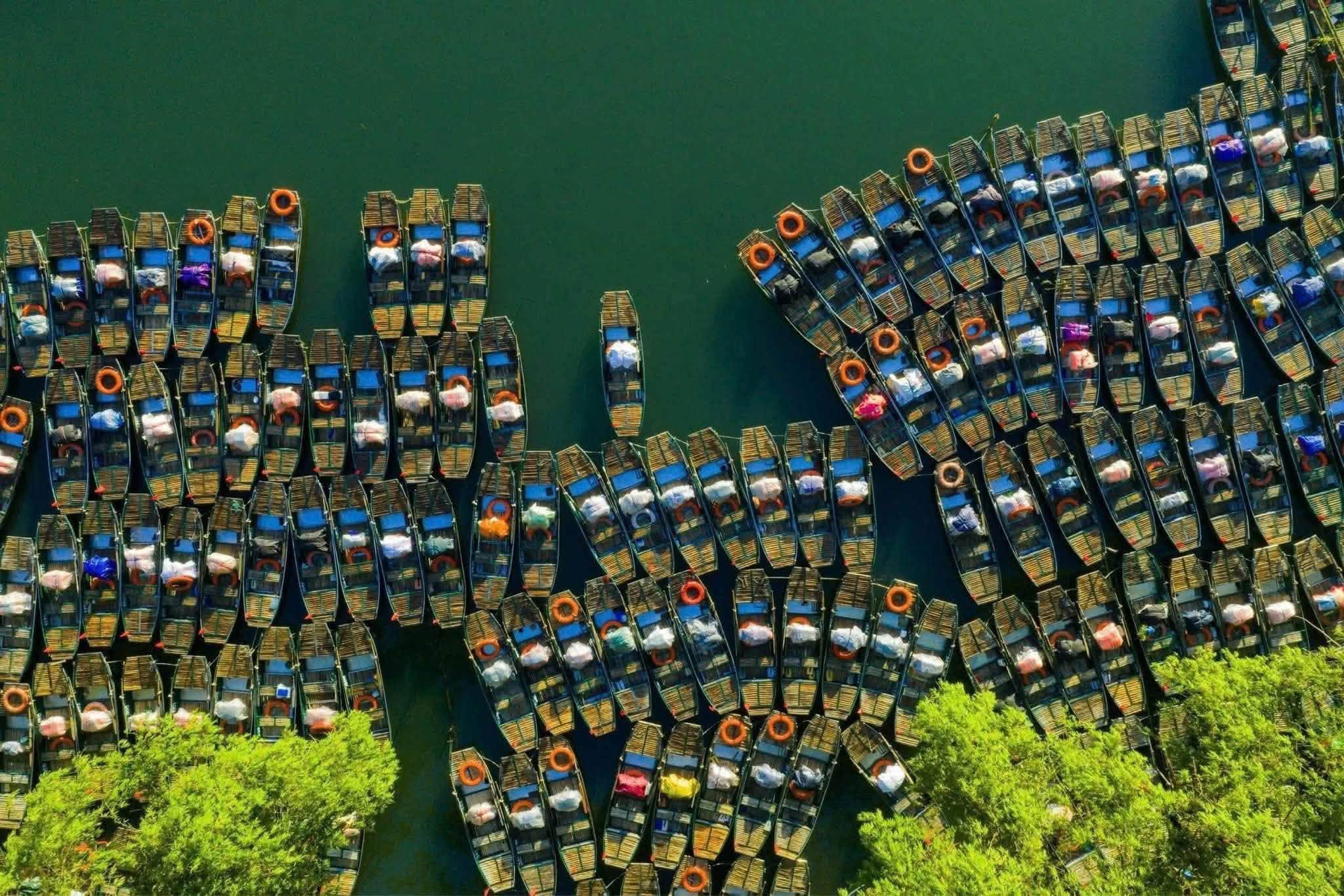
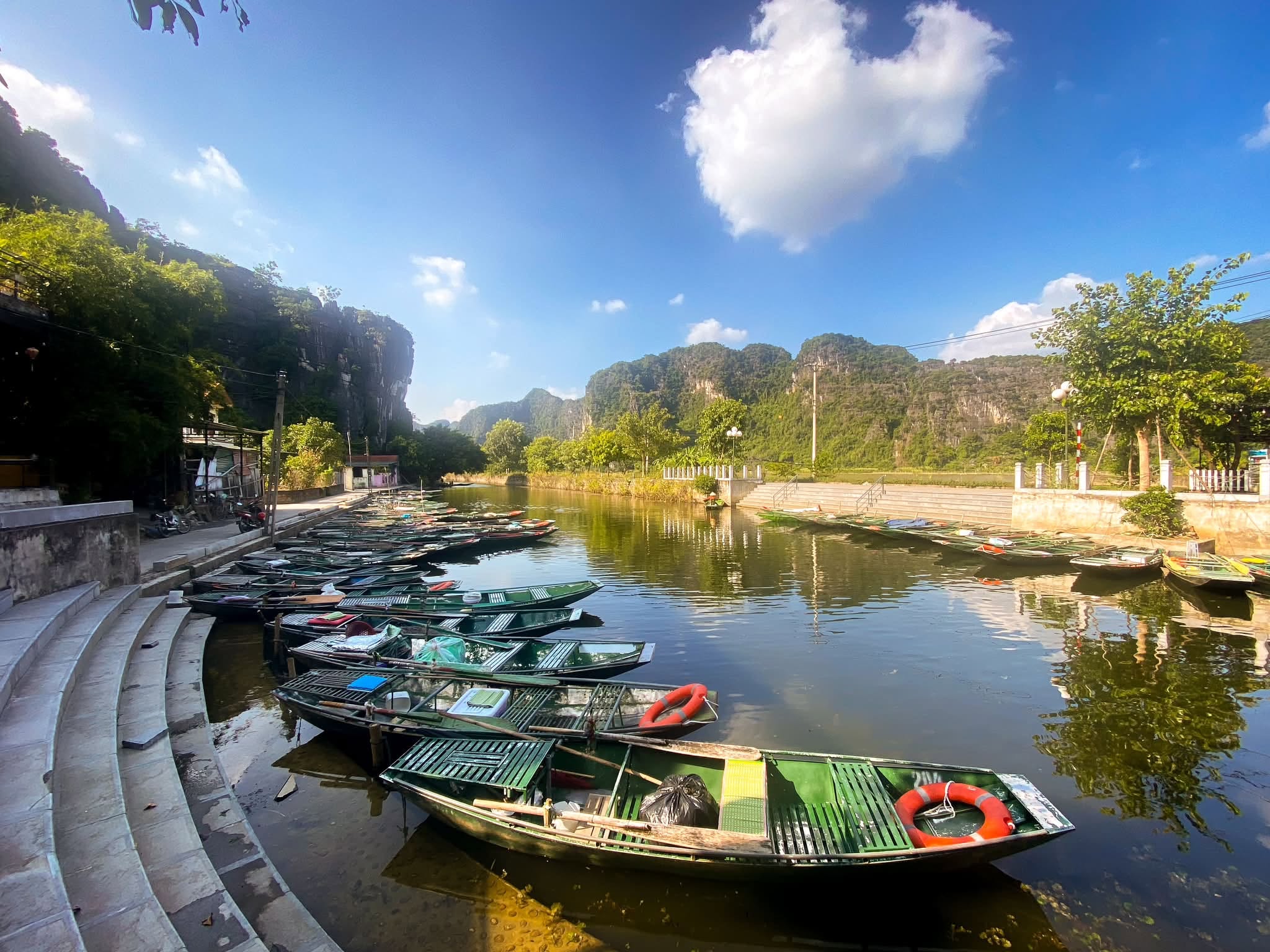
Rowboats wait below limestone cliffs at Tam Coc, one of Ninh Binh’s waterways. (Source: Collected)
Hanoi and Ninh Binh make a practical pairing for visitors who want urban culture and rural scenery within a northern itinerary. In Hanoi, give museums and historic streets their own time rather than treating the capital only as a pickup point. A guided neighbourhood walk or a meal-focused outing can help explain the city before you leave for the countryside.
Ninh Binh changes the scale of the experience. Limestone formations, waterways and villages invite a different rhythm from Hanoi’s street life. Choose a boat excursion around your interests and access needs, then leave room for a nearby cultural stop or a quiet afternoon. Our Ninh Binh travel guide helps distinguish areas and activities before you select accommodation.
The main decision is whether to return to Hanoi each evening or spend a night outside the capital. A day excursion reduces packing and hotel changes. An overnight stay gives you another morning in the area, although it also requires luggage planning and onward transport. Neither format automatically creates a better visit.
For a first outline, protect separate time for Hanoi and one full countryside day. Add an overnight only if the next morning has a purpose you value. Check the property’s precise location, restaurant access and transfer meeting point. Do not assume that every hotel marketed as Ninh Binh is beside the boat route or village you want to explore.
Hue and Hoi An: Two Different Ways to Meet Heritage
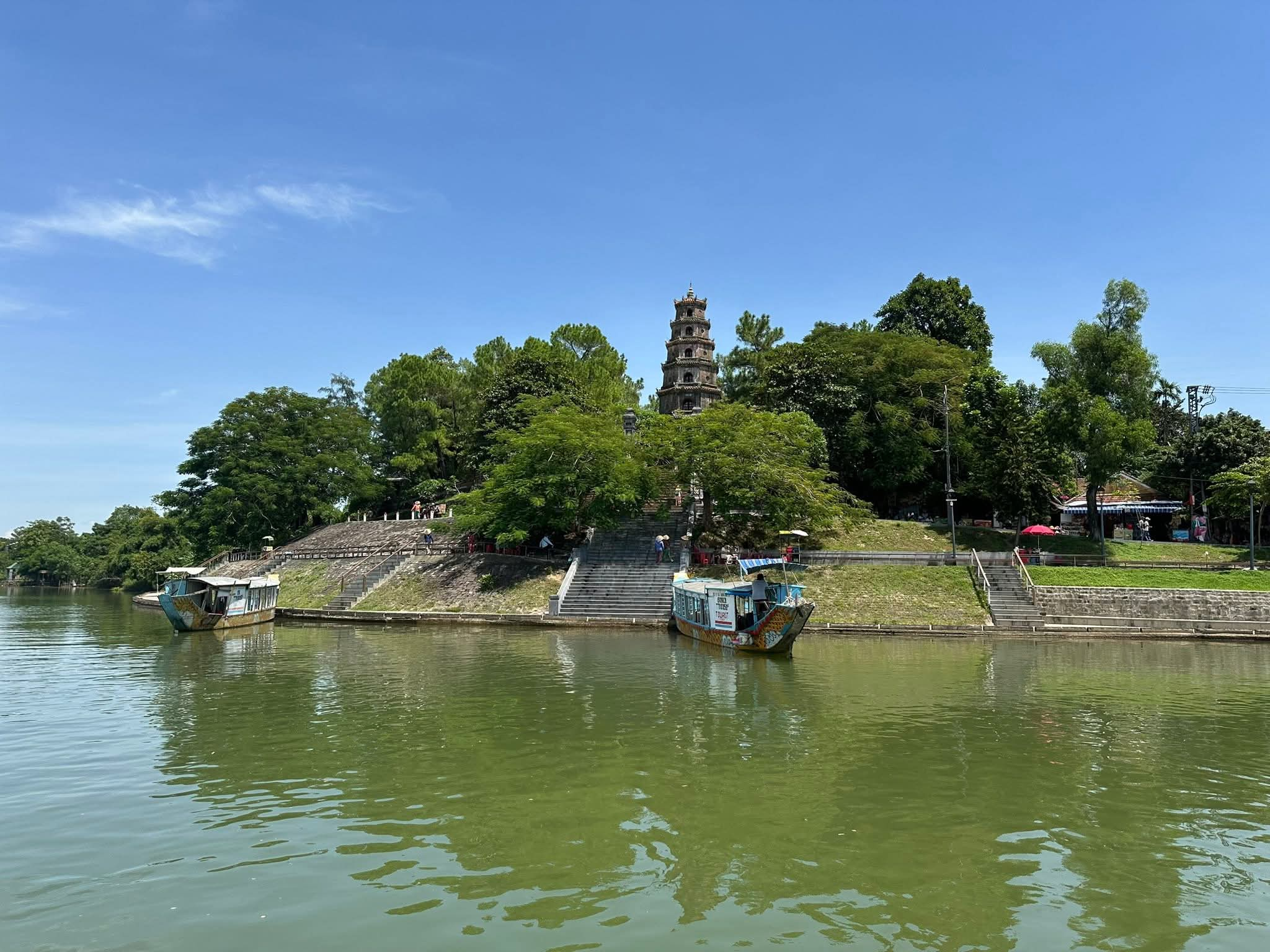
Thien Mu Pagoda rises above the Perfume River in Hue, with passenger boats along the bank. (Source: Collected)
Hue and Hoi An share a place in many Central Vietnam itineraries, but they should not feel like interchangeable sightseeing stops. Hue suits travelers interested in imperial history, religious landmarks and the relationship between royal sites and surrounding landscapes. Select a few visits with enough time to understand them rather than attempting every tomb in one outing.
Hoi An offers another perspective through its historic trading streets, food traditions and nearby villages. A cooking experience or a carefully chosen craft visit can add participation after days spent observing monuments. Confirm what you will actually do, since watching a demonstration and practising a skill are different products.
The journey between the two deserves attention. A scenic road transfer can include the Hai Van Pass when conditions and the agreed route allow, but sightseeing stops turn a transfer into an outing. Discuss this before choosing the vehicle and departure time. A rail journey still needs station connections; compare the complete arrangement rather than only the scenic portion.
Use our Hue travel guide to plan that city’s visits independently of your Hoi An stay. Keep a light evening after moving between bases. If you prefer fewer checkouts, ask whether one longer stay with a selected excursion better suits your priorities. Splitting accommodation works best when you want meaningful time in both places, including ordinary meals and unhurried mornings.
Ho Chi Minh City and Ben Tre: Neighbourhood Life and Delta Encounters
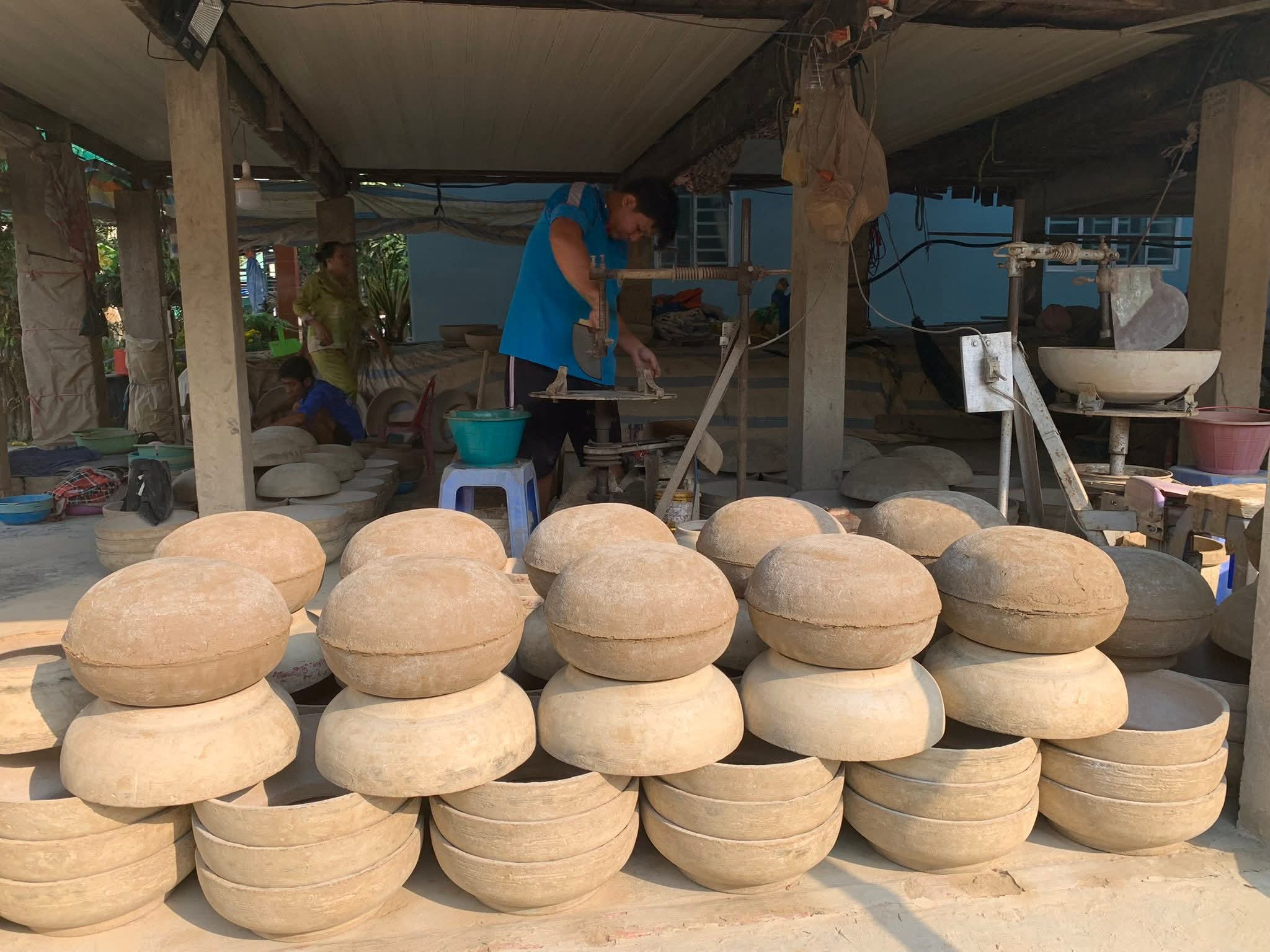
Traditional grinding stones and food preparation equipment illustrate a workshop visit in the Mekong Delta. (Source: Collected)
Ho Chi Minh City and Ben Tre offer a southern pairing built around people, food and working landscapes. Begin with a city experience that interests you: a museum, a neighbourhood walk, markets or a guided food outing. Leave room to notice the contemporary city alongside its historical landmarks.
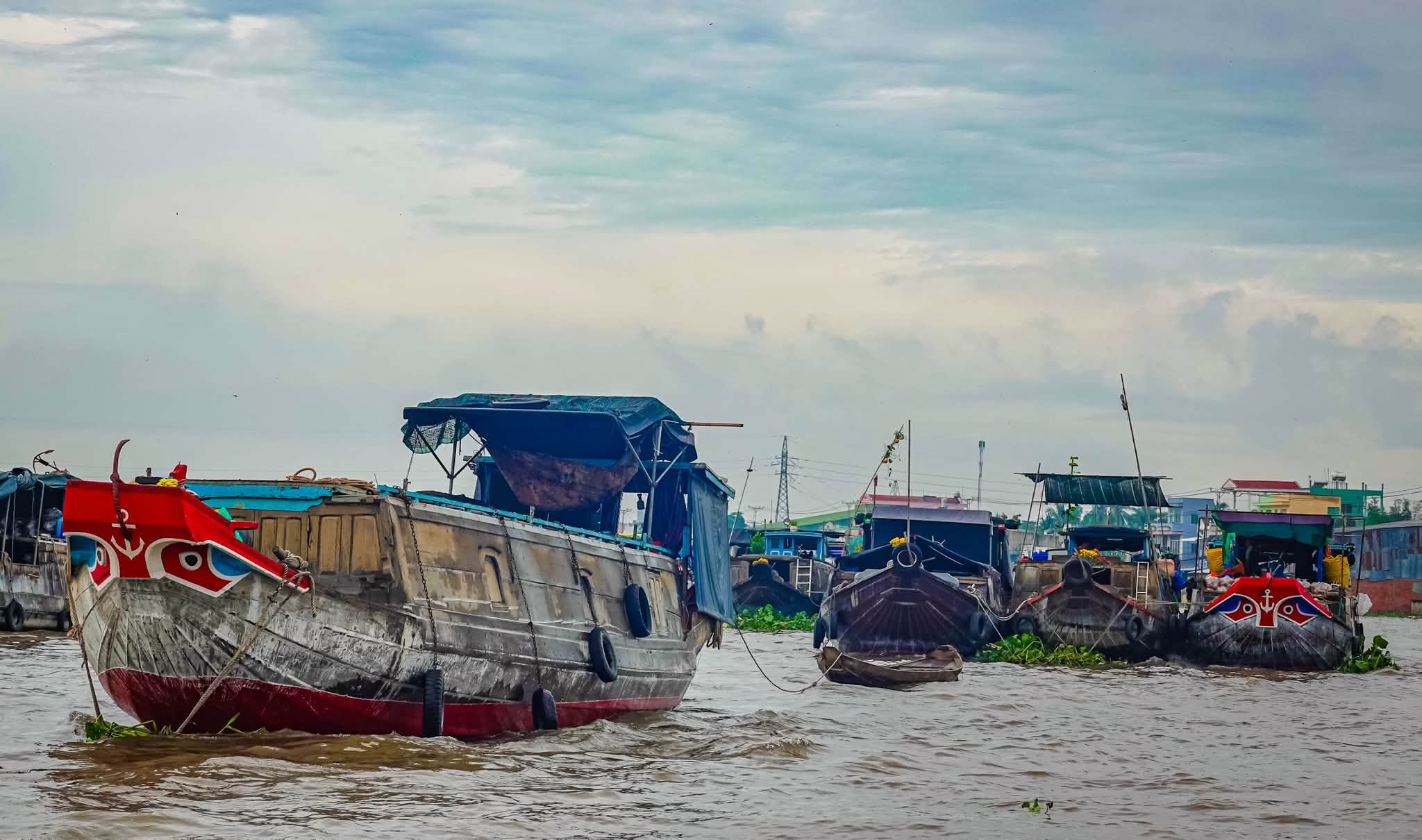
Ben Tre brings coconut-growing landscapes, waterways and opportunities to learn about local livelihoods. The value of a visit depends on the route and the encounters arranged, not simply the number of boats included. Ask whether the programme involves a larger river, a smaller waterway, village walking or a food-making stop. Confirm any practical participation before expecting a hands-on workshop.
A day trip suits travelers who want to keep their city room and return for dinner. An overnight can make sense if it provides additional time with a host or a genuinely different morning. Ask what changes between the two programmes. Staying longer should add something specific, rather than stretch the same sequence of stops.
Our Mekong Delta trip planning guide compares those formats in more detail. Check boat boarding, walking surfaces and vehicle access if anyone needs assistance. Tell the organiser about dietary requirements and confirm menus individually. A floating market belongs to a particular location and routine; it should not be assumed to feature in every Ben Tre excursion or every delta stay.
Nha Trang and Da Lat: Coastal Rest and a Highland Change
Palm trees and a hammock beside Nha Trang’s blue coastal waters illustrate a beach-focused stay. (Source: Collected)
Nha Trang and Da Lat provide a different kind of contrast: a coastal stay followed by a highland city, or the reverse. This pairing can appeal to travelers who want a change of environment without making another heritage circuit. It works best when both settings match your interests, rather than when one is added merely because it appears nearby on a map.
In Nha Trang, distinguish a beach-focused property stay from a programme of urban visits and island outings. Boat activities depend on the confirmed operator, route and sea conditions. If relaxation is the goal, allow a completely free period instead of filling every morning with another departure.
Da Lat can shift attention towards gardens, local food, architecture and agricultural surroundings. Choose visits that explain that setting; do not expect the same weather, clothing or daily routine as the coast. A road journey between the destinations involves mountain travel, so discuss vehicle comfort and motion sensitivity before booking. Avoid tying arrival directly to a time-sensitive activity.
Treat any initial night allocation as a draft. Compare arrival points, hotel locations and onward connections before deciding which place comes first. Then ask whether the pairing leaves the right balance of activities and rest for your group. To shape a custom Vietnam itinerary, share the experiences you want from each base. Two well-chosen stays can provide more variety than several places visited only between transfers.