Best Time to Visit Sapa: Weather, Rice Terraces and Trekking Seasons
November 13, 20269 min read
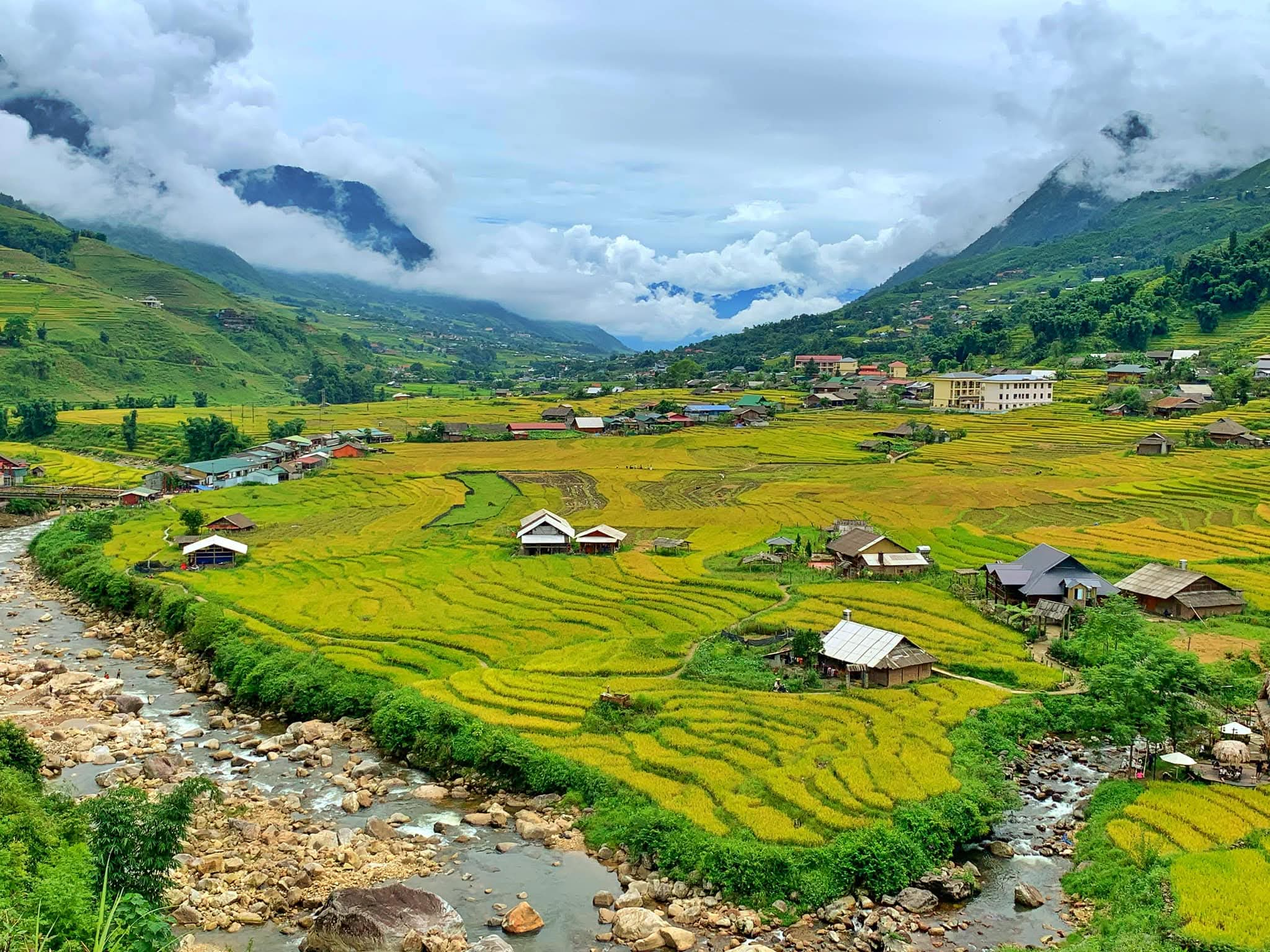
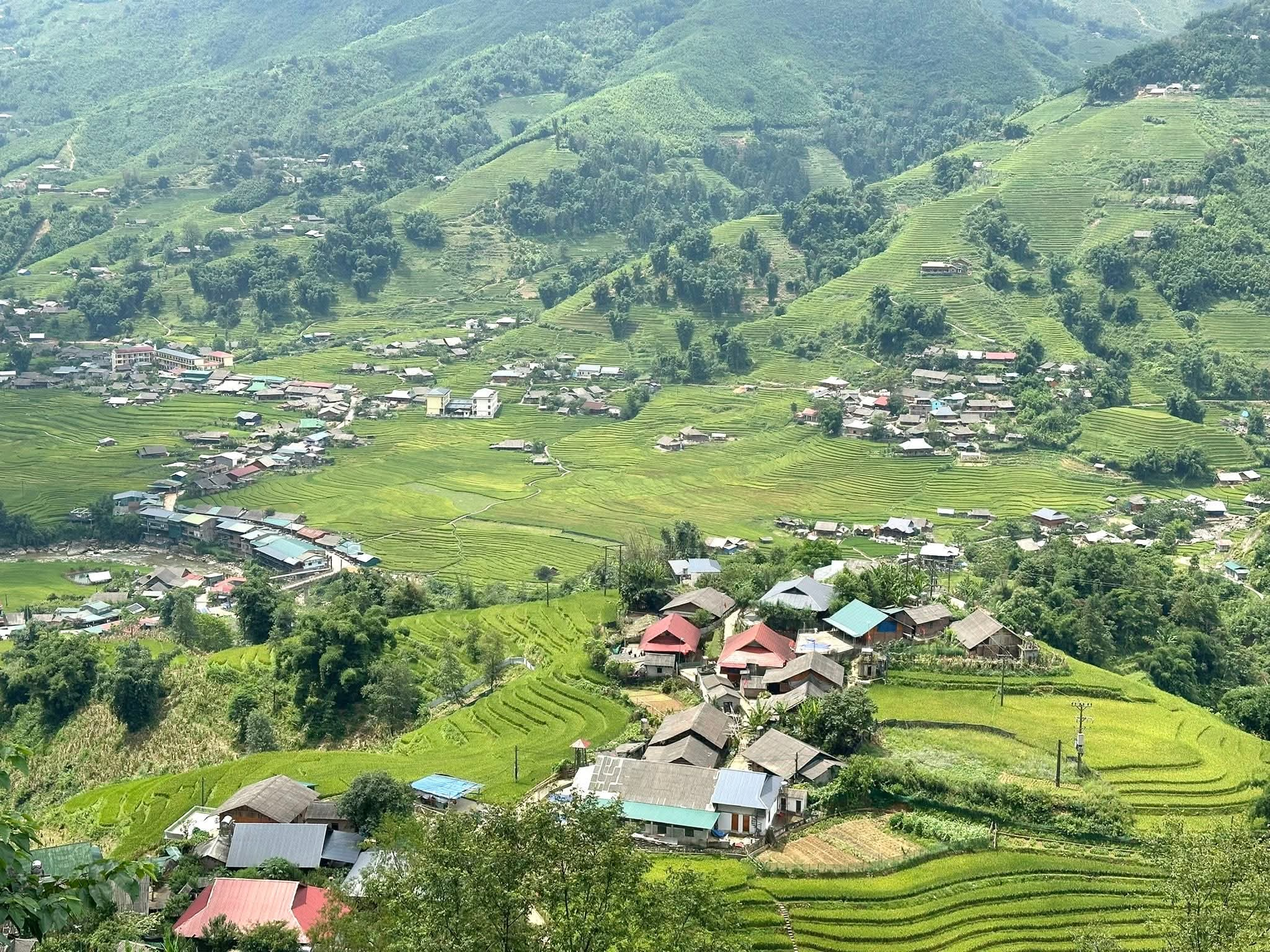
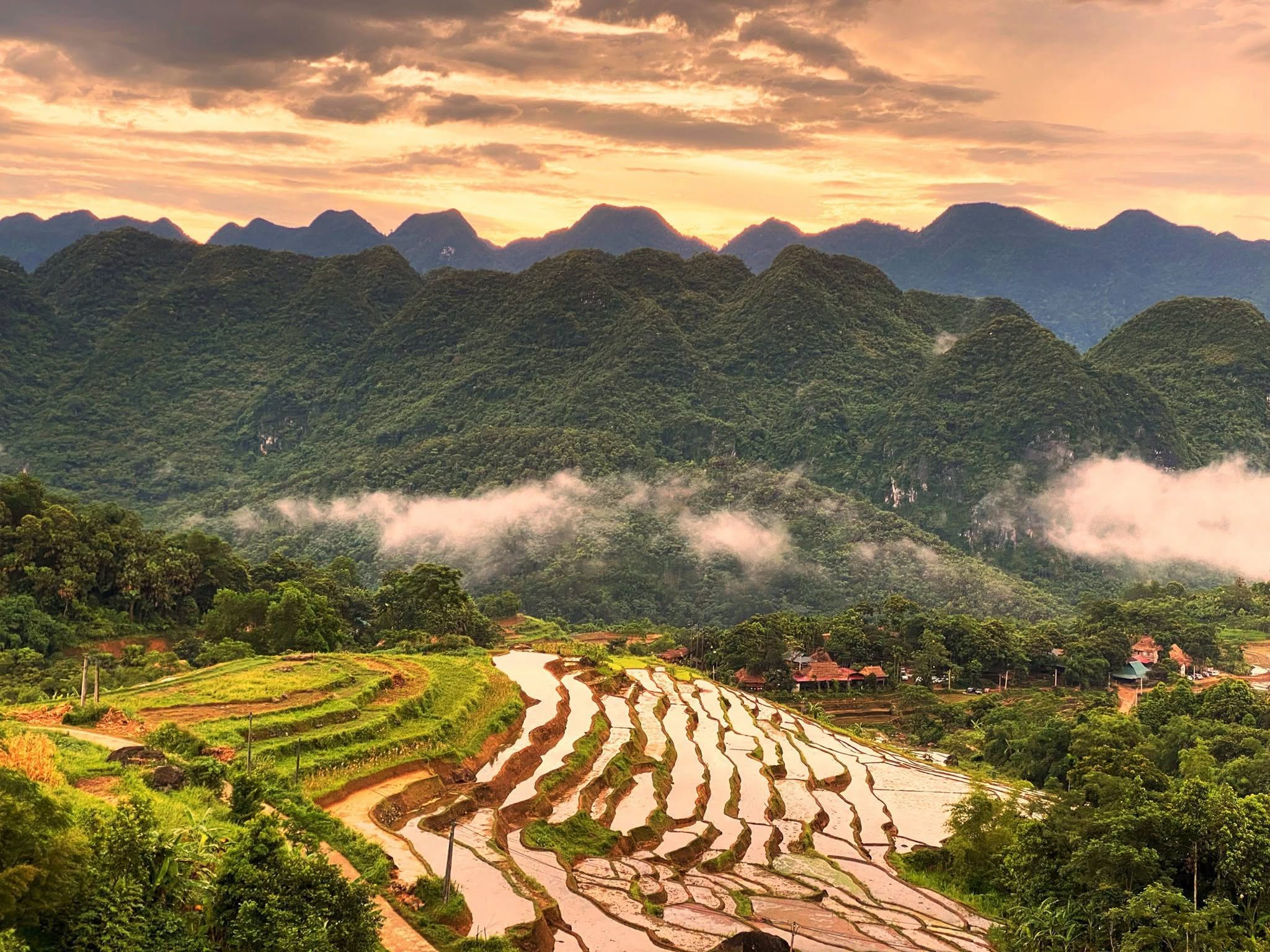
Featured image: Rice terraces, villages and mountain clouds in Sapa. (Source: Collected)
The best time to visit Sapa depends on what you want to experience. April–May and September–November are useful starting points for a walking holiday, while September deserves investigation if golden rice is your priority. Neither choice guarantees clear views from Fansipan. The agricultural calendar, trail conditions and mountain visibility follow different patterns, so choosing a month requires more than matching your dates to a landscape photograph.
Start by ranking your priorities: rice photography, comfortable trekking or a mountain excursion. Then choose dates and accommodation around the most important one. Our Sapa Travel Guide explains how transport, village stays and trip length fit into that decision.
Choose Your Season by Purpose, Not One “Best Month”
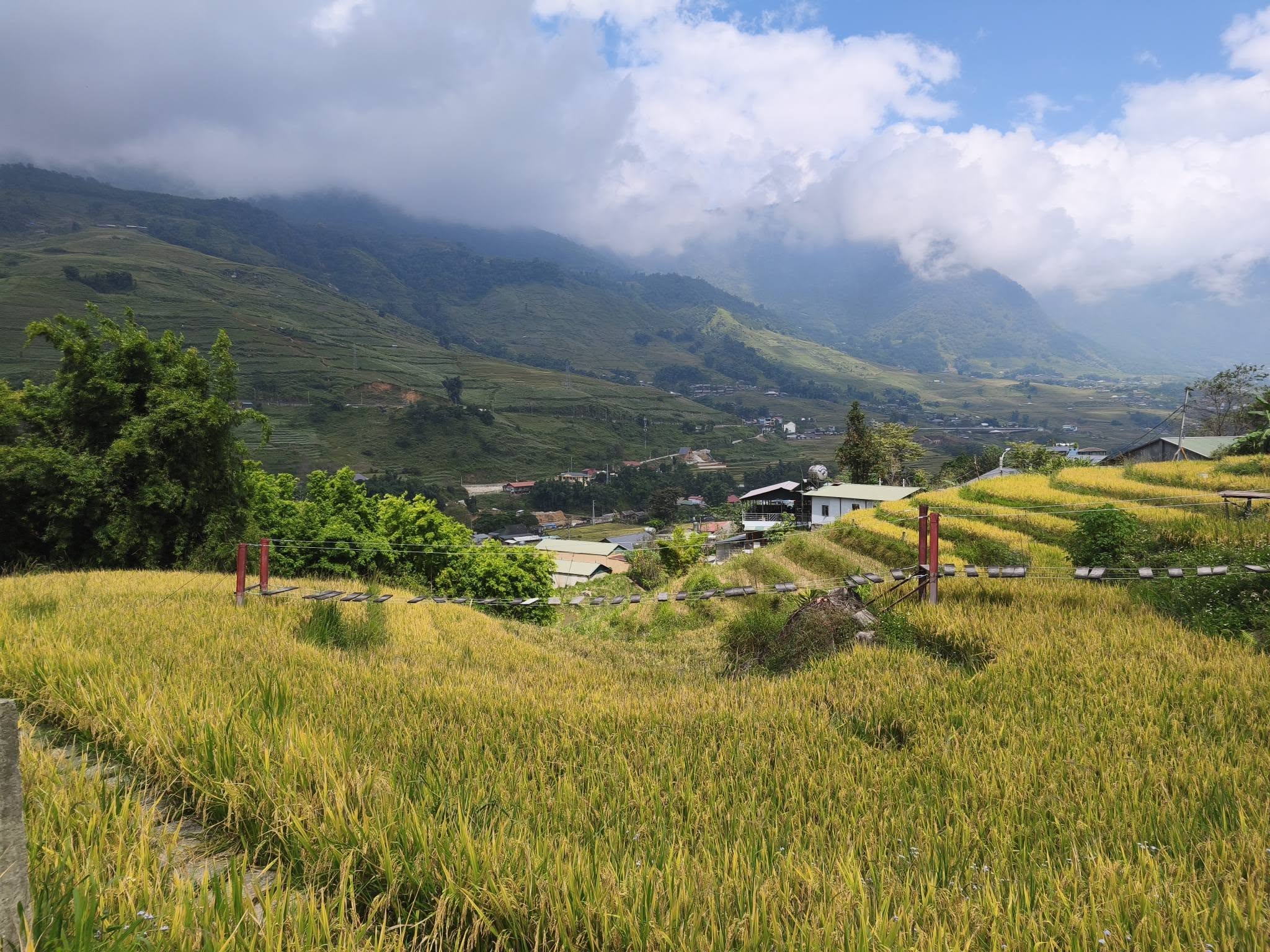
Rice fields and cloud-covered mountains show why landscape and visibility should be considered separately. (Source: Collected)
Three separate questions make planning easier. What stage will the rice be at? How comfortable will the walk be? What might visibility be like at the elevation you intend to visit? A favourable answer to one does not establish the others.
Your main purpose
Period to investigate
Trade-off to understand
Golden rice photography
Late summer into September, verified by village
The crop can be harvested before your visit; rain remains possible
Lush green terraces
Summer growing period
Greener fields can coincide with wetter, muddier walking
Comfortable village trekking
Spring or autumn
Pleasant temperatures do not guarantee dry paths or standing rice
Fansipan sightseeing
Dates with flexibility and a favourable short-range forecast
No month guarantees a clear summit panorama
Quiet accommodation-led break
Any season matching your comfort preferences
Room warmth and indoor space matter during cold, damp spells
Sapa’s winter is generally chilly and misty, spring becomes warmer, summer brings more rain, and autumn often offers comfortable conditions for exploring. These seasons overlap rather than changing neatly at the start of a month. Allow for local differences between the town, the valleys and the higher mountain slopes when choosing your dates.
Sapa Weather by Month: A Practical Planning Table
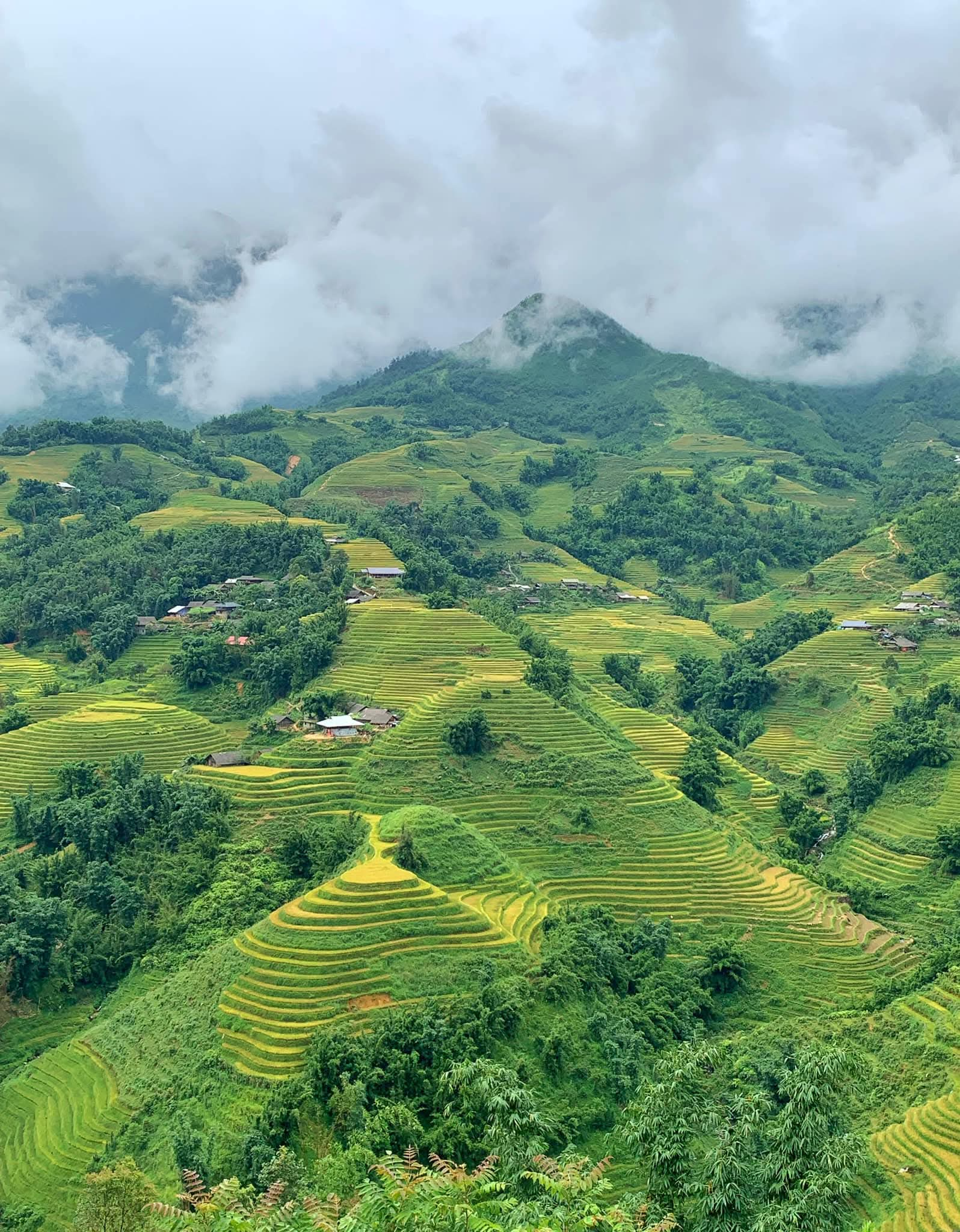
Cloud drifts over Sapa’s terraced hillsides, illustrating the variability of mountain weather. (Source: Collected)
Use this table to compare likely experiences rather than predict individual days. Field appearance varies between valleys and elevations, while rain during the preceding days can affect a route even when the morning forecast is dry.
Month
Landscape you may encounter
Trekking considerations
What to check
Best suited to
January
Mist, harvested fields and winter scenery
Cold, damp surfaces can reduce comfort
Heating and weather-related access
Flexible visitors interested in winter atmosphere
February
Winter fields, with spring changes depending on location
Cool conditions; wet steps remain possible
Holiday dates and room warmth
Cultural visits and shorter walks
March
Agricultural preparation and early seasonal change
A spring walking option, with variable visibility
Actual field stage and recent rainfall
Travellers prioritising walking over ripe rice
April
Spring vegetation; field preparation varies
Consider for mixed sightseeing and trekking
Heat, rain and route exposure
First visits balancing several activities
May
Water preparation or planting in some areas
Increasing warmth; showers can affect paths
Village-specific planting and mud
Agricultural photography and adaptable walkers
June
Growing rice in many cultivated areas
Heat, humidity and rain require pacing
Trail drainage and storm forecasts
Visitors seeking green scenery
July
Green terraces and summer vegetation
Wet ground can make descents harder
Recent heavy rain and route access
Flexible travellers comfortable changing plans
August
Developed crops; ripening may begin locally
Summer rain remains relevant
Current crop colour and trail conditions
Rice-focused photographers with flexible dates
September
Green-to-gold changes, harvesting or cut fields
Attractive walking possibilities, with rain still possible
Which fields remain unharvested
Visitors prioritising harvest landscapes
October
Harvested terraces in many areas; standing rice may remain locally
Consider for autumn walks
Crop status before expecting golden views
Trekkers valuing conditions over crop colour
November
Post-harvest countryside and cooler mountain scenery
A walking option with colder mornings
Daylight, layers and visibility
Active visitors comfortable with cooler weather
December
Winter fields and more frequent cold or misty spells
Warmth and wet footing need attention
Heating, forecasts and access
Shorter outings and comfortable stays
Treat month-to-month transitions as gradual. A late monsoon spell, early harvest or cold front can make your dates feel different from the row you selected.
Rice Terraces: Follow the Crop, Not the Calendar
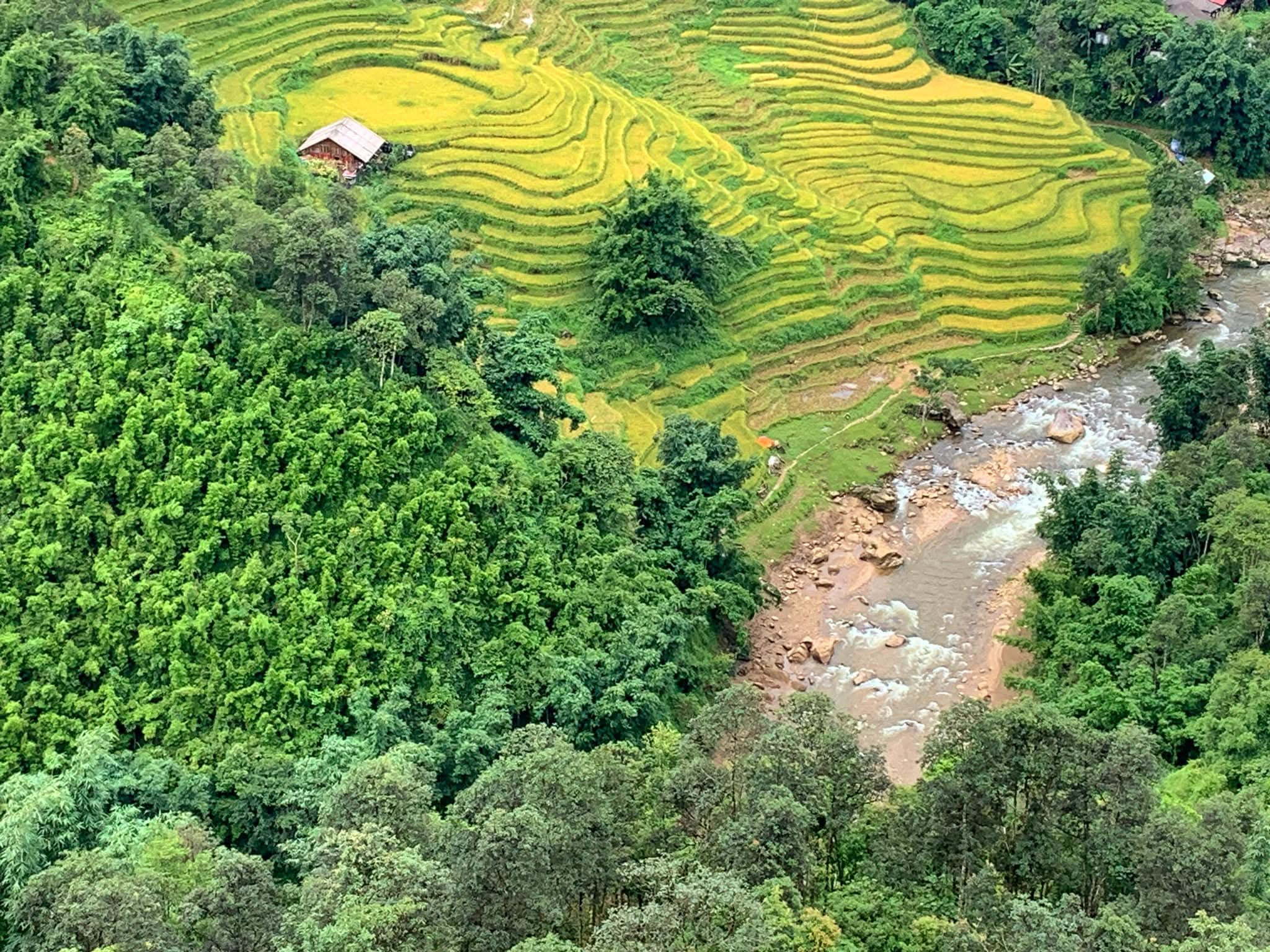
Golden terraces curve above a stream, showing the changing colours of working farmland. (Source: Collected)
Understand the stages
Terraces are working farmland. Preparation and irrigation can create reflective surfaces; young plants produce a different scene from mature green rice; ripening introduces yellow tones; harvesting leaves stubble and exposed field patterns. All can be visually interesting, but they are different subjects.
For travellers researching the Sapa rice terraces, the best time therefore depends on the image they want. Mirror-like water, saturated green slopes and golden crops require different timing. Ask about the agricultural stage instead of simply requesting “the beautiful season”.
Why the harvest changes from village to village
September is a useful starting point for a trip centred on golden rice, but the Sapa harvest season does not unfold everywhere at once. Elevation, water availability, planting dates and the year’s weather influence when individual fields ripen. One hillside may still be green while another is ready to harvest, and a nearby valley may already have been cut.
Do not expect continuous golden terraces from August through October. The most colourful stage at a particular field can be brief, and once harvesting begins the view can change within days. By October, many familiar walking areas may already have post-harvest scenery even when the weather remains inviting for trekking. Choose your route around current field conditions rather than assuming every village follows the same timetable.
Before booking a photography-led trip, ask a local guide which fields are ripening, whether harvesting has started and when their information was checked. Request recent photographs from the proposed route. A picture labelled only “Sapa harvest season” may be from another year or a different village.
The Best Time for Trekking in Sapa Depends on the Trail
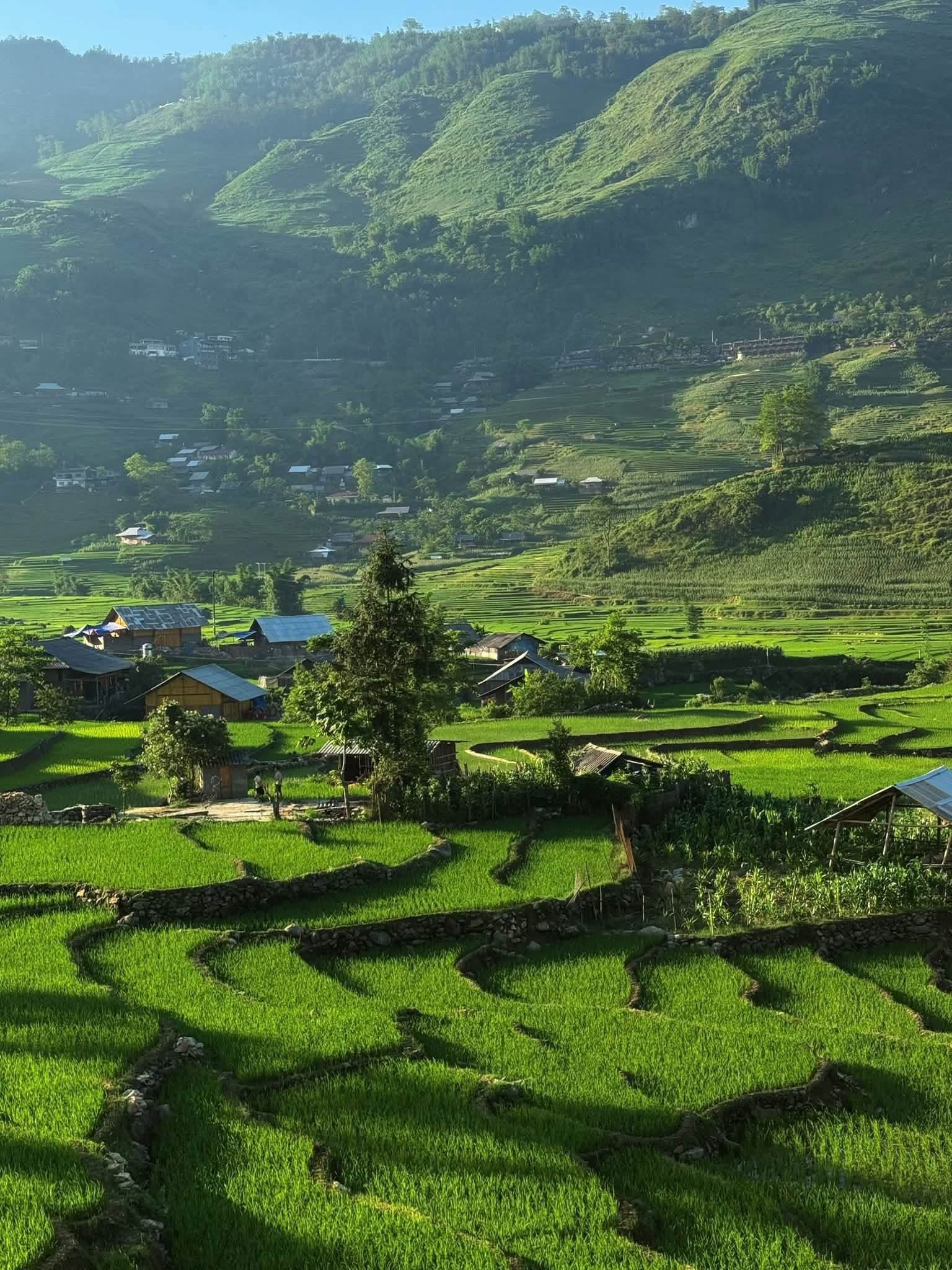
Villages and cultivated slopes spread across a Sapa valley; walking routes vary with terrain and conditions. (Source: Collected)
Spring and autumn are sensible periods to investigate for village trekking, particularly when you value walking comfort more than crop colour. However, “good trekking weather” includes what happened before you arrived. Several wet days can leave agricultural paths slippery after the rain stops.
Ask about surface, steepness, sustained descents and opportunities to shorten the route. A short muddy hillside can demand more balance than a longer paved lane. Tell your guide how you walk at home and whether steps or uneven ground cause difficulty.
In summer, consider shorter sections with planned breaks and suitable transport connections. In winter, prioritise warmth during stops and somewhere to dry clothing afterwards. Accommodation comfort matters more when you return wet than a promotional photograph suggests.
Match the route to conditions rather than using the same itinerary throughout the year. That may mean choosing village lanes instead of exposed slopes, changing the starting point or replacing a full day with a shorter outing. Confirm alternatives before paying for a fixed programme.
Keep Fansipan summit trekking separate from village walking. A remote mountain trek requires its own access checks, specialist arrangements and assessment; a favourable month for a valley walk does not establish that it is appropriate for a summit expedition.
Fansipan Visibility Is a Separate Decision
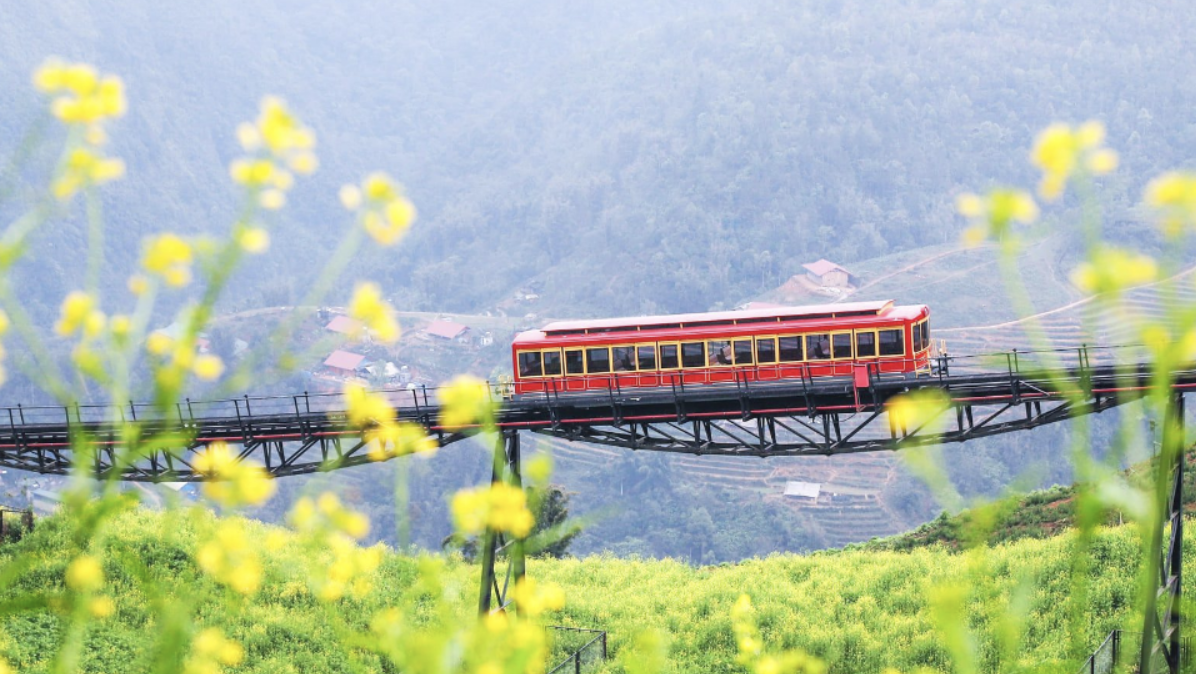
The Muong Hoa mountain train passes through Sapa’s countryside on the journey towards the Fansipan cable-car area. (Source: Collected)
The weather around your hotel does not reliably describe conditions higher on Fansipan. Cloud can obscure the summit while the valley is visible, or the mountain may emerge above cloud when lower areas look misty. These possibilities explain why a seasonal label alone cannot promise the view.
Keep the excursion flexible where ticket conditions and your itinerary allow. Check the mountain forecast, local observations and the latest cable-car operating notices near departure. Confirm the available departure times and last return service before setting out, as weather or maintenance can alter the arrangements.
Do not assume sunrise or an early departure guarantees visibility. Go early if it suits the current forecast and operating arrangements, rather than following a universal photography rule. Bring layers and allow for colder, windier conditions than in town.
Decide whether you would still enjoy the excursion without a panorama. If the answer is no, cancellation flexibility may be worth more than an advance discount. If your priority is the overall mountain experience, clouds need not automatically make the outing disappointing.
Turn Your Travel Month into a Flexible Itinerary
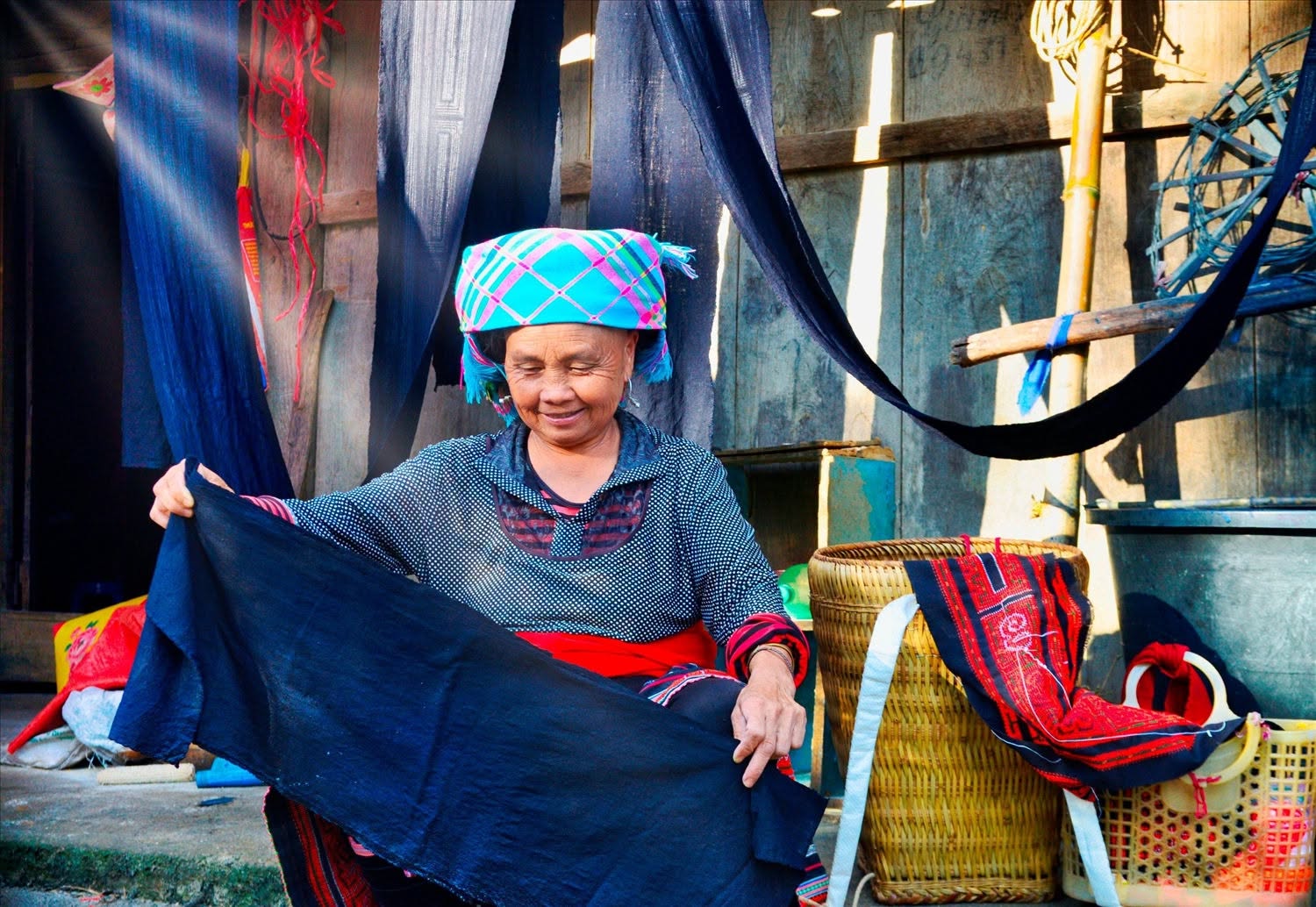
Traditional indigo textile work offers a cultural focus to complement outdoor activities in Sapa. (Source: Collected)
If your dates are fixed
Choose the strongest available experience for those dates. In July, that might mean green scenery with adaptable walks. In November, it might mean cooler trekking with post-harvest fields. In January, a comfortable hotel and shorter cultural outings may matter more than a packed outdoor programme.
If your main purpose is fixed
For golden rice, investigate September and verify conditions village by village before committing. For walking comfort, compare spring and autumn, then check the route. For Fansipan views, preserve flexibility within your stay and accept that there is no guaranteed clear-sky month.
Check at three useful stages
Before booking: confirm the intended landscape, walking ability, accommodation comfort and cancellation terms.
During the week before arrival: request updated crop information and check forecasts, access and attraction notices.
The day before each outing: agree the route, equipment and alternative with your guide or organiser.
Where possible, allow at least one day that can swap with another activity. Add a weather-independent option arranged with a willing local provider, such as a host meal or craft experience. Flexibility is useful only when you have realistic alternatives.
To choose a programme for your travel month, send your dates, group size and comfortable walking level through our custom Vietnam tour enquiry. State which matters most: golden rice, green terraces, trekking or Fansipan. That priority gives the itinerary a clear purpose while leaving room for local conditions.