Cao Bang Travel Guide: Plan Your First Visit to Vietnam’s Northeast Highlands
November 13, 202616 min read
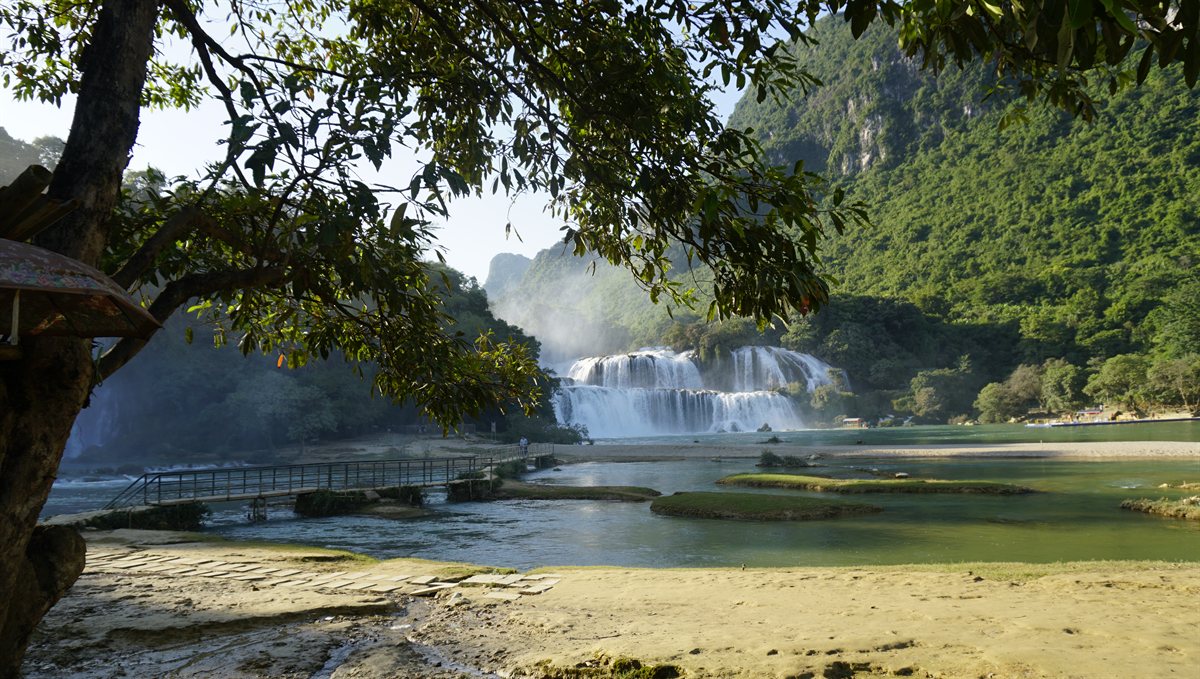
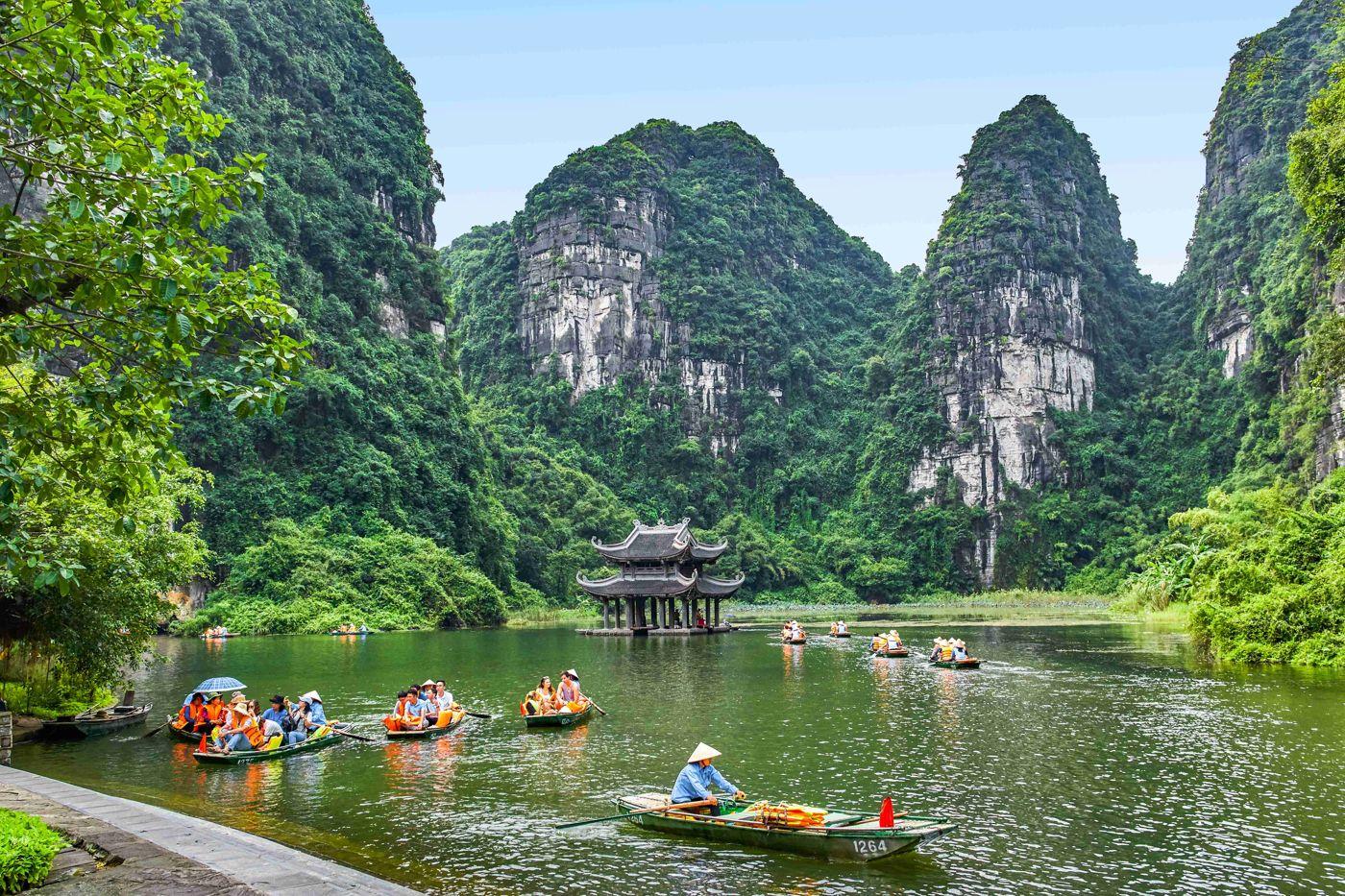
Featured image: Ban Gioc Waterfall and its riverside landscape in Cao Bang. (Source: Collected)
Cao Bang rewards travellers who give the journey enough time. Ban Gioc Waterfall may inspire the trip, but limestone valleys, caves, village life and historical places can make the days around it equally worthwhile. This Cao Bang travel guide helps you choose a route, decide where to sleep and balance sightseeing with the substantial road journeys involved.
For a first visit from Hanoi, four days is a useful starting point. Three days can work for a focused waterfall trip; five allows a broader programme without making every stop brief. Choose your priorities before booking accommodation, because sleeping in the right place can make a greater difference than adding another attraction.
Understanding Cao Bang and Planning Your First Visit
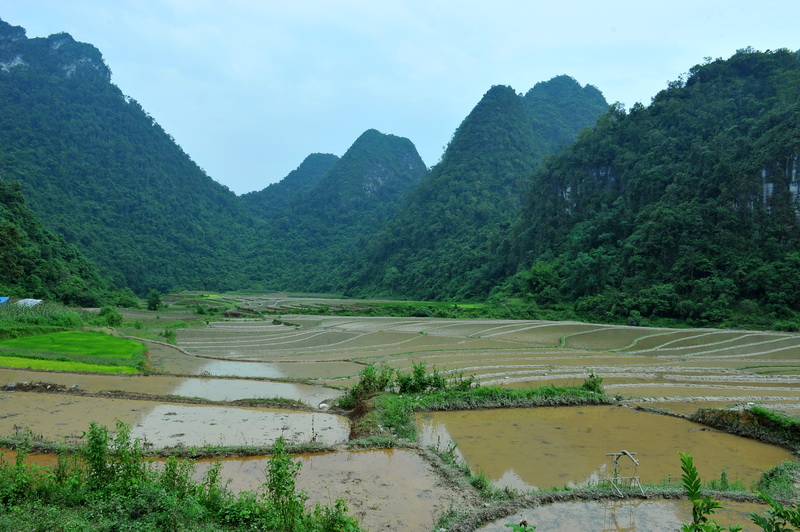
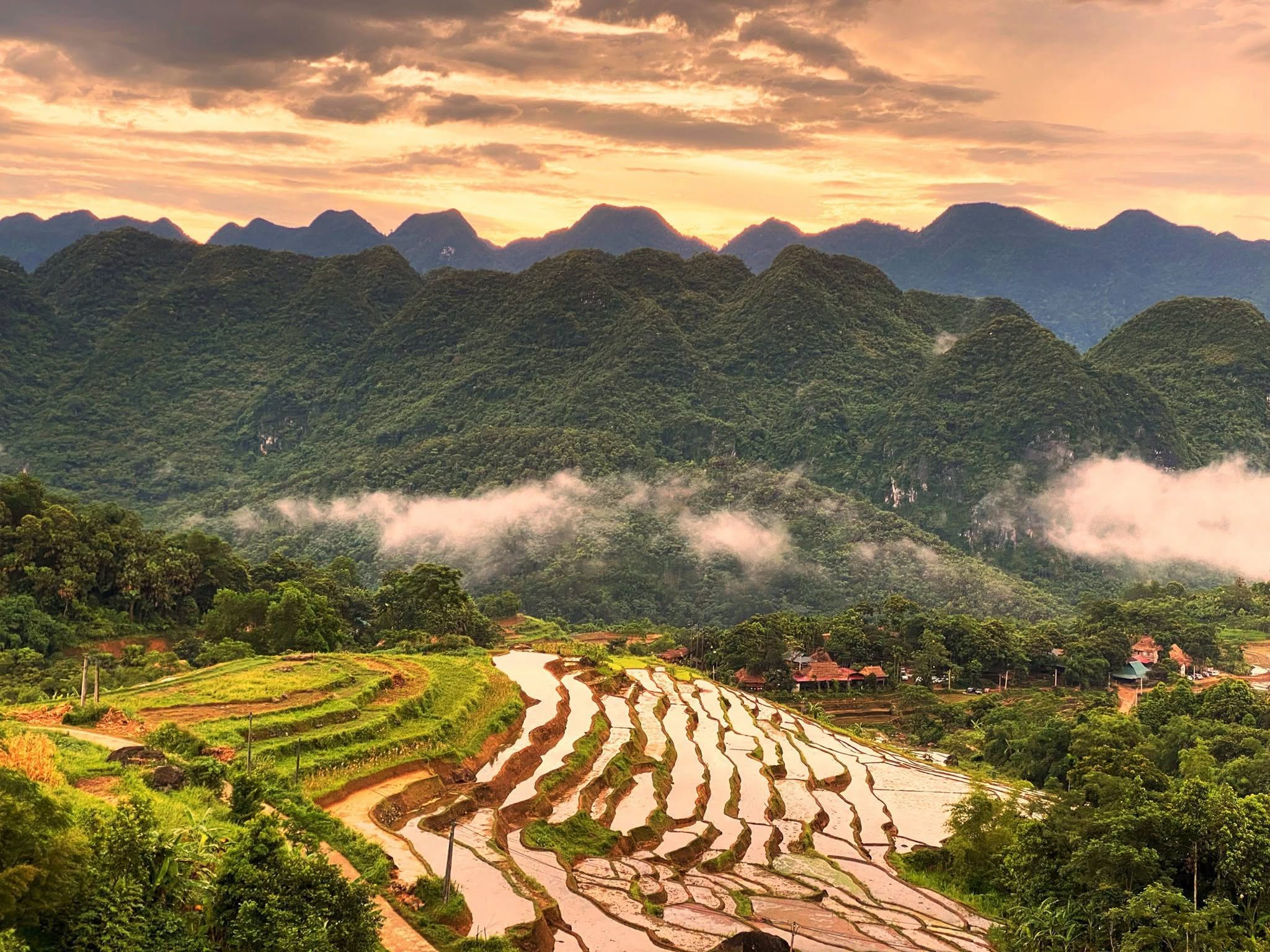
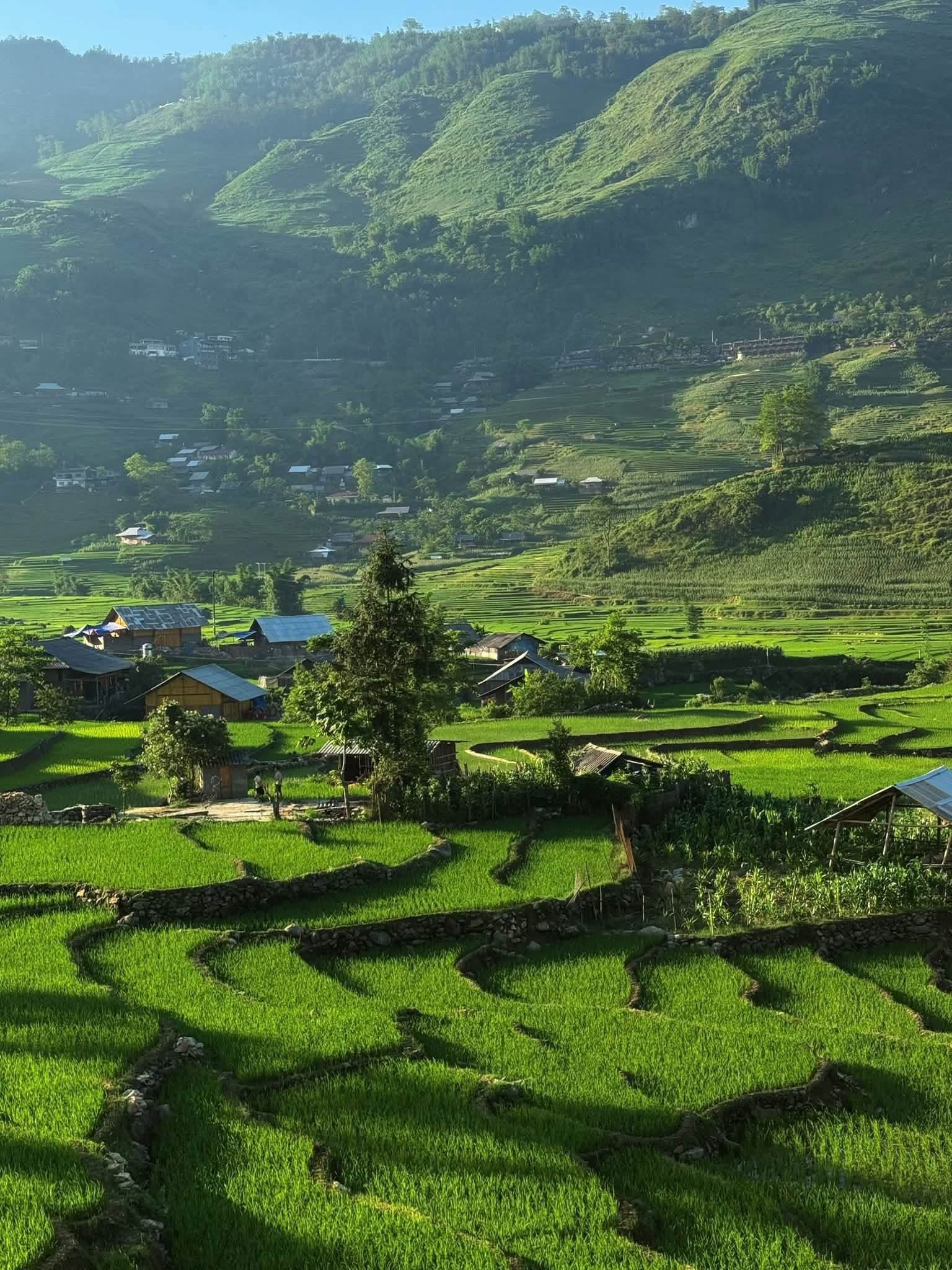
Limestone hills frame cultivated fields in Cao Bang’s rural landscape. (Source: Collected)
More than a waterfall destination
Cao Bang is a mountainous province in Vietnam’s northeast, bordering China. Its appeal comes from the relationship between limestone scenery, rivers, settlements and local history. You can spend a day following roads through agricultural valleys, then change perspective inside a cave or at a community workshop.
Non Nuoc Cao Bang is a UNESCO Global Geopark, designated in 2018. That recognition concerns geological heritage alongside education, conservation and local development. It is a different designation from UNESCO World Heritage status, and does not mean the province is one enclosed attraction with a single entrance ticket.
Think of the geopark as a landscape to understand through selected places. A knowledgeable guide can connect the shapes of the mountains, the movement of water and the livelihoods of nearby communities. You do not need specialist knowledge to appreciate those connections.
Understand the main touring areas
The urban centre is a convenient arrival point, but it is not beside every major sight. The Ban Gioc direction, the Pac Bo direction and the Thang Hen–Nui Mat Than area need separate consideration when planning days. A map pin showing Cao Bang should not be mistaken for the waterfall location.
Touring area
Main interests
Planning implication
Central urban area
Walking street, night market, restaurants and transport connections
Useful base, with driving needed for major outings
Ban Gioc and nearby countryside
Waterfall, Nguom Ngao Cave and selected village visits
Consider a local overnight to reduce repeated driving
Pac Bo direction
Modern Vietnamese history and a riverside setting
Give it a separate place in the route
Thang Hen–Nui Mat Than area
Karst scenery and adaptable countryside stops
Choose access and activities according to conditions
These are practical touring groupings rather than administrative boundaries. Check the actual route and location of each overnight stop before paying a deposit.
Who will enjoy Cao Bang?
Consider it if you enjoy scenery, cultural interpretation and a road-based journey with opportunities to stop. Couples can combine comfortable accommodation with countryside outings, while photographers can plan extra time around conditions. Families can enjoy a gentler programme when driving breaks and appropriate rooms are arranged.
Think carefully about the pace if long drives make you uncomfortable. Caves, pagodas and viewpoints can also involve steps or uneven surfaces. Tell your organiser what you can comfortably manage rather than relying on the general label “easy sightseeing”.
Best Time to Visit: Waterfalls, Weather and Rice Fields
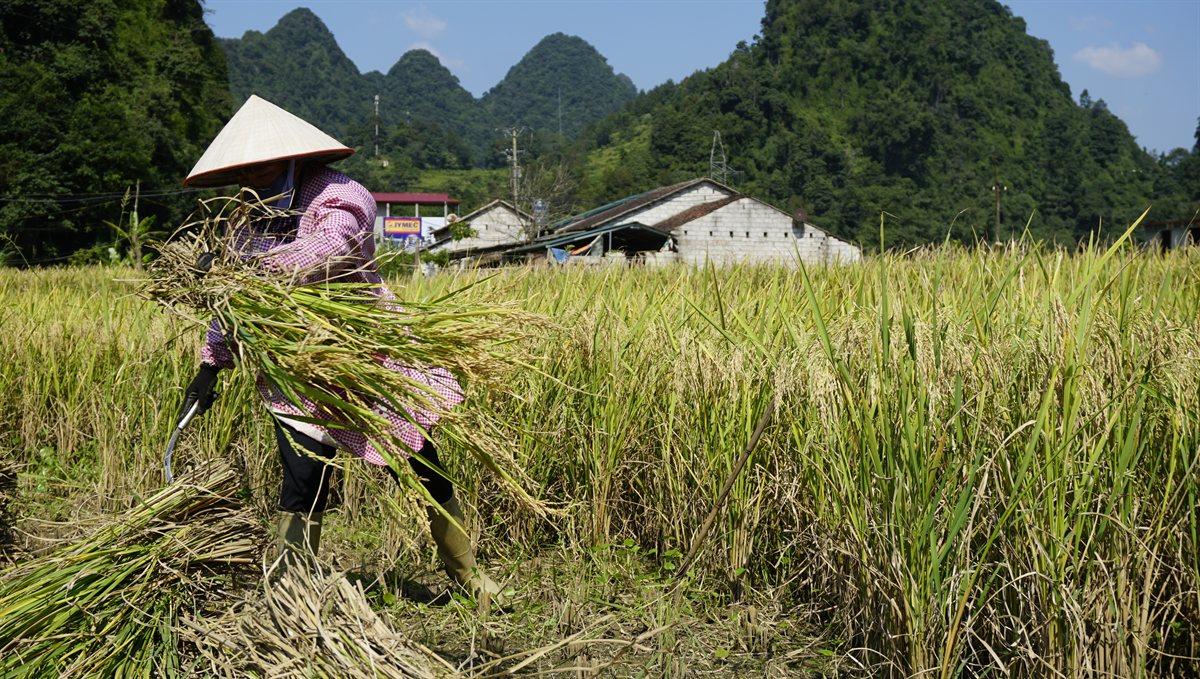
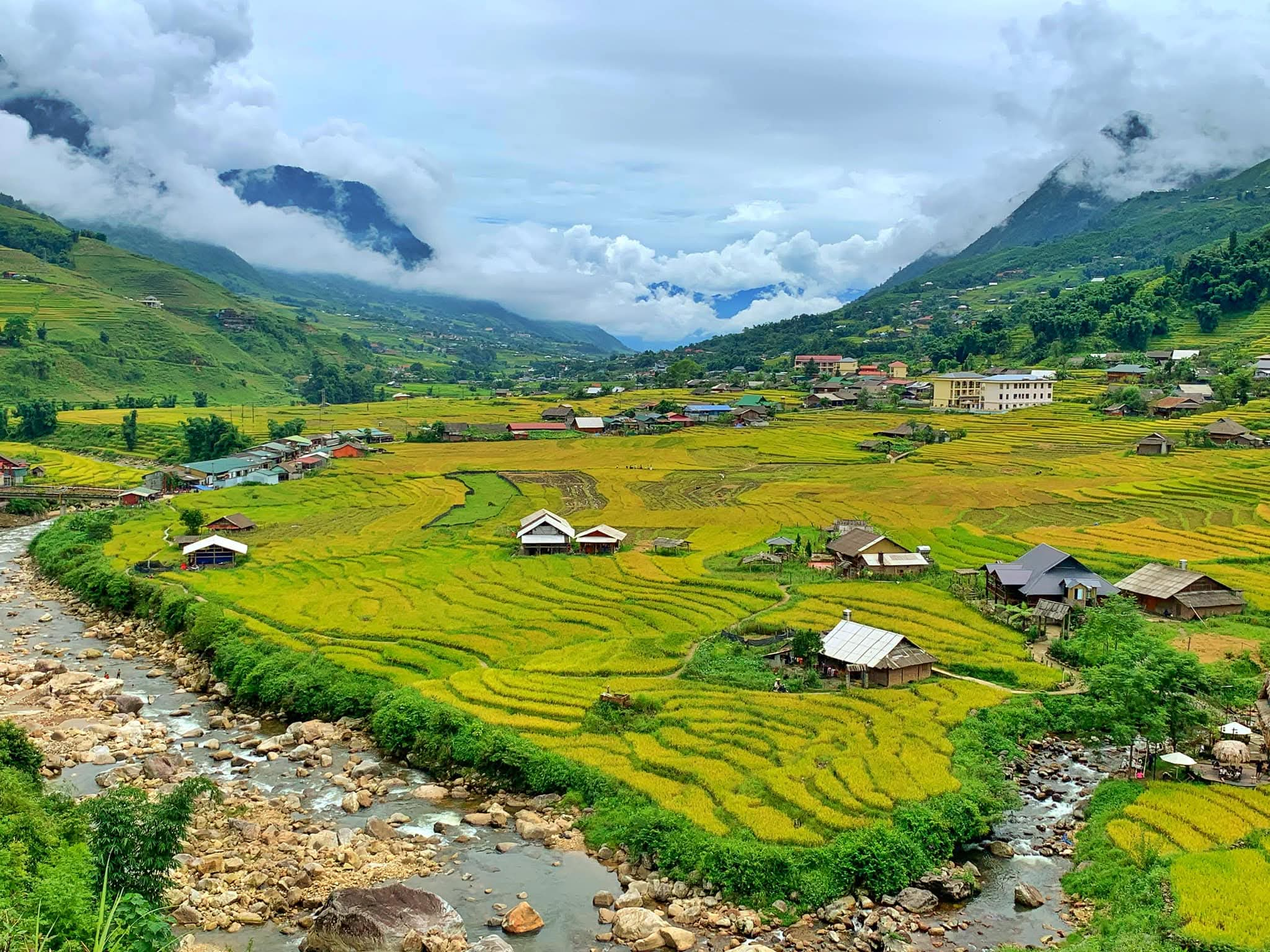
A farmer gathers rice during harvest in Cao Bang; crop timing varies between valleys. (Source: Collected)
Choose the season around your priorities
There is no single month that guarantees a powerful waterfall, clear water, golden fields and easy road conditions. Higher rainfall may increase the volume at Ban Gioc, but can also bring muddy water, reduced visibility or disruption. Drier conditions can suit touring, while the waterfall may look different from a high-water photograph.
Spring and autumn are sensible periods to investigate for a varied trip. Summer requires greater flexibility around rain and heat; winter calls for warmer clothing and suitable rooms. Treat these as planning patterns rather than promises for individual dates.
Period
What to consider
Practical approach
December–February
Cooler spells, mist and variable waterfall appearance
Pack layers and check room warmth
March–May
Transition towards warmer, wetter conditions
Balance outdoor visits with rest and forecast checks
June–August
Heat, heavier rainfall and potentially stronger flows
Keep the route flexible and follow access advice
September–November
Autumn scenery and possible rice interest in selected valleys
Verify crop stages and recent weather locally
Rain elsewhere in the catchment can affect a river even if the sky above your hotel is clear. Check current conditions before a water-based activity, and follow any suspension rather than assuming a prepaid service must operate.
Rice scenery needs local information
Fields in different valleys do not necessarily follow the same schedule. Ask which area your guide proposes, whether the crop is growing or ripening and when the information was checked. A photograph captioned “Cao Bang in autumn” is not a reliable calendar for every field.
For a photography-led visit, leave more than one opportunity to explore the chosen landscape. If harvesting has already happened, concentrate on field patterns, village activity and mountain backdrops rather than trying to recreate a particular promotional image.
Do not build the trip around a fixed water-release time
Older guides sometimes give precise hours for waterfall flow or other changing arrangements. Reconfirm any such information near your date instead of treating it as a permanent natural schedule. A well-paced visit remains worthwhile without depending on one promised moment.
Getting to Cao Bang and Travelling Between Sights
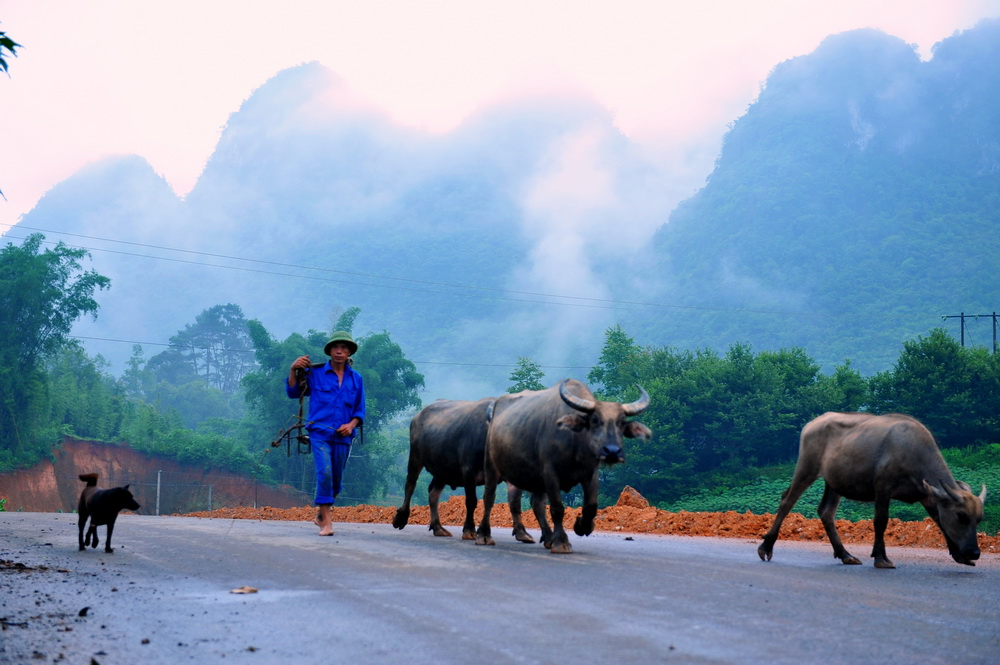
A rural road shared with buffalo illustrates the unhurried pace of journeys through Cao Bang. (Source: Collected)
From Hanoi by road
Cao Bang is a substantial road journey from Hanoi. As an initial allowance, plan roughly six to eight hours to the central area for many services, with variation for the route, pickup, stops and conditions. Continuing directly to accommodation near Ban Gioc adds another part to the day.
Investigate current daytime and overnight bus services alongside private transfers. Ask where the vehicle actually departs and terminates, whether a hotel connection is included and what luggage is permitted. Sleeper comfort varies, so check berth dimensions and arrangements rather than choosing only by the vehicle’s promotional name.
An overnight bus can save daytime hours but does not guarantee good sleep or an immediately available room. Keep the first morning light after an early arrival. A private car offers more control over stops and timing, although it does not remove the distance.
Arrange local transport separately
Reaching the urban centre is only the first stage. Decide how you will travel to the waterfall, caves and other selected stops. A private car with an experienced local driver can suit families and travellers wanting flexibility; a guided tour can bring transport and interpretation together.
Clarify the daily route, waiting time, parking, meals and overnight arrangements. Ask whether the driver and guide are separate services. If you expect detailed explanations in English, make that requirement explicit before booking.
Do not translate straight-line distance into driving time. Mountain roads, villages, stops and weather all affect the day. Avoid setting a late-afternoon flight or another inflexible connection immediately after a long return drive to Hanoi.
Should you ride a motorbike?
A motorcycle journey requires suitable riding experience, a valid licence for the vehicle and insurance that covers the activity. Wet surfaces, bends and changing visibility can make an unfamiliar road demanding. Choose transport around your ability, not the popularity of riding videos.
For a passenger trip with a rider, assess the operator, helmet, luggage arrangements and daily riding duration. Travellers who want frequent conversations, sheltered breaks or easier luggage access may find a car more comfortable.
Things to Do: Ban Gioc, Caves, History and Living Culture
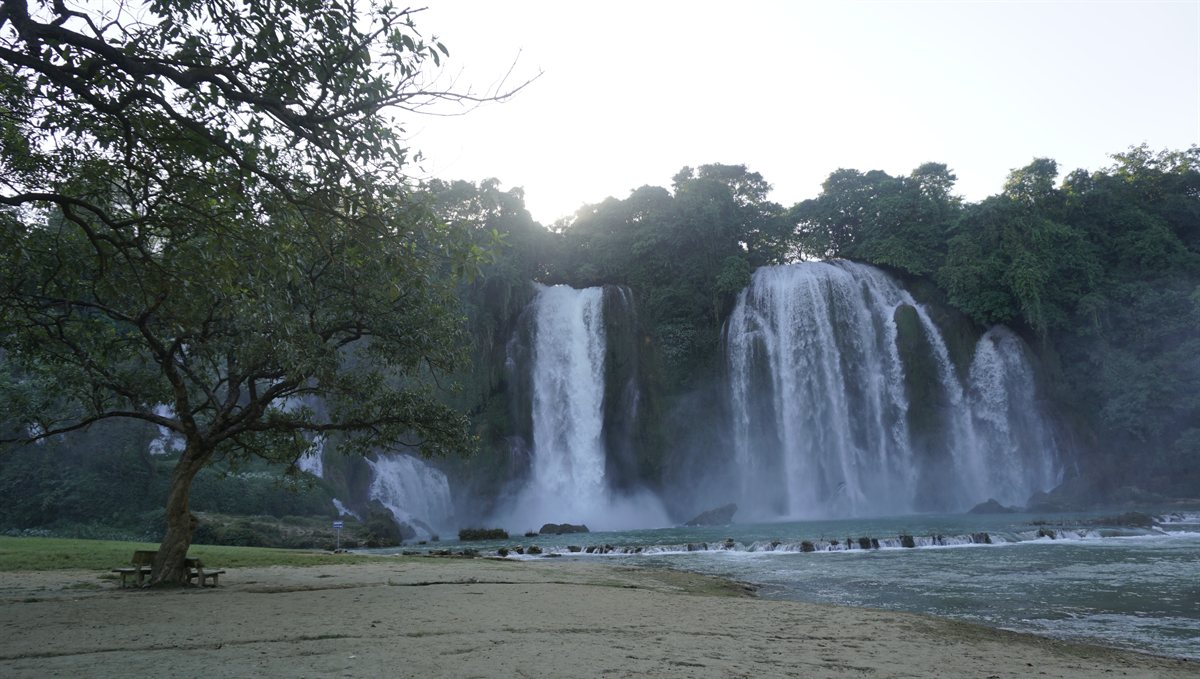
Ban Gioc Waterfall cascades beneath forested limestone slopes. (Source: Collected)
Visit Ban Gioc from the Vietnamese side
Ban Gioc sits on the Vietnam–China border and is the region’s best-known landscape. Give yourself time to appreciate the setting rather than arriving only for a photograph before a long onward drive. Paths and viewpoints offer different experiences depending on conditions and your mobility.
Any raft or other water-based service should be checked separately for availability, equipment and suitability. Follow staff instructions and wear the required life jacket. Protect cameras from spray, and do not assume the river is suitable for swimming.
Keep a visit from Vietnam distinct from an organised cross-border product. Do not assume a local sightseeing ticket allows entry into China. Before departure, ask your provider to confirm the documents and arrangements relevant to your nationality, itinerary and any border-area activity. Carry your passport and follow signs and local instructions.
Explore Nguom Ngao Cave
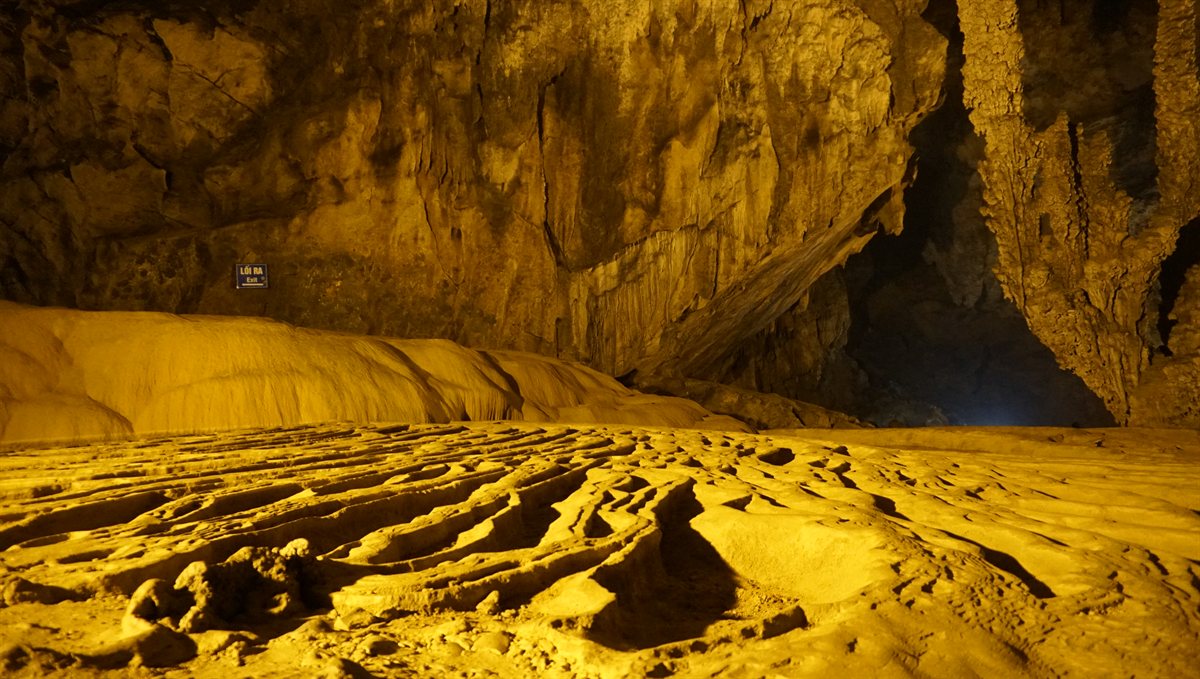
Nguom Ngao Cave in Cao Bang Northern Vietnam
Nguom Ngao offers a contrast to the open landscape, with limestone formations viewed along a designated visitor route. Confirm which ticket and section you are booking, because different experiences may involve different time and physical demands.
Wear shoes with grip and ask about steps, slippery surfaces and low or enclosed passages if those concern you. Stay on the permitted path and avoid touching formations. The length of the complete cave system is not the distance every visitor must walk.
Add Khuoi Ky and a suitable cultural stop
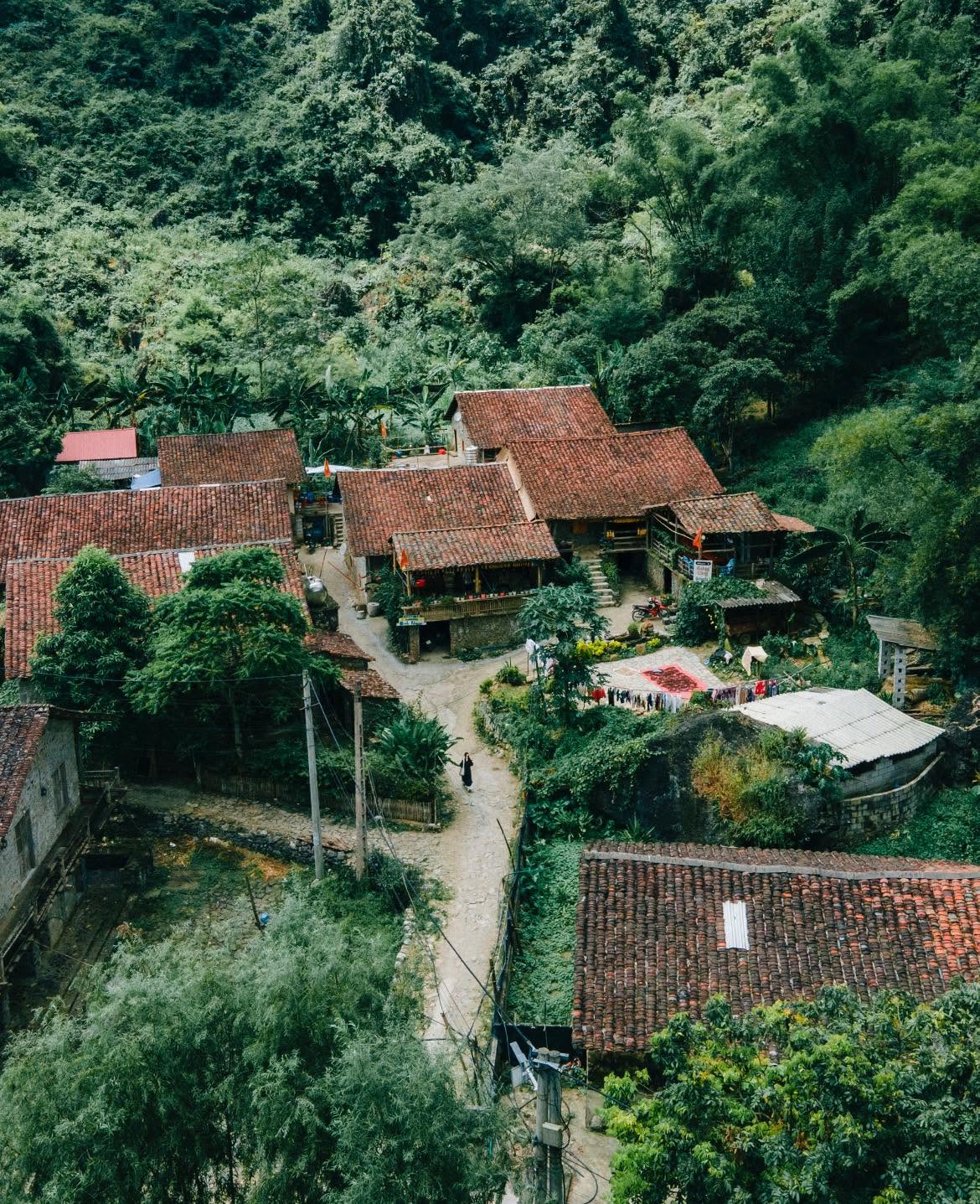
Khuoi Ky Stone Village in Cao Bang Northern Vietnam
Khuoi Ky is associated with Tay stone-house architecture and village accommodation near the Ban Gioc touring area. Visit with an interest in the people and place, not an expectation that every household is open to guests. Ask permission before entering homes or taking close portraits.
Phat Tich Truc Lam Ban Gioc Pagoda is another possible addition, with a hillside setting that involves an ascent. Check the access and steps before treating it as a gentle stop for everyone. Dress appropriately and leave time for the descent.
Give Pac Bo its own context
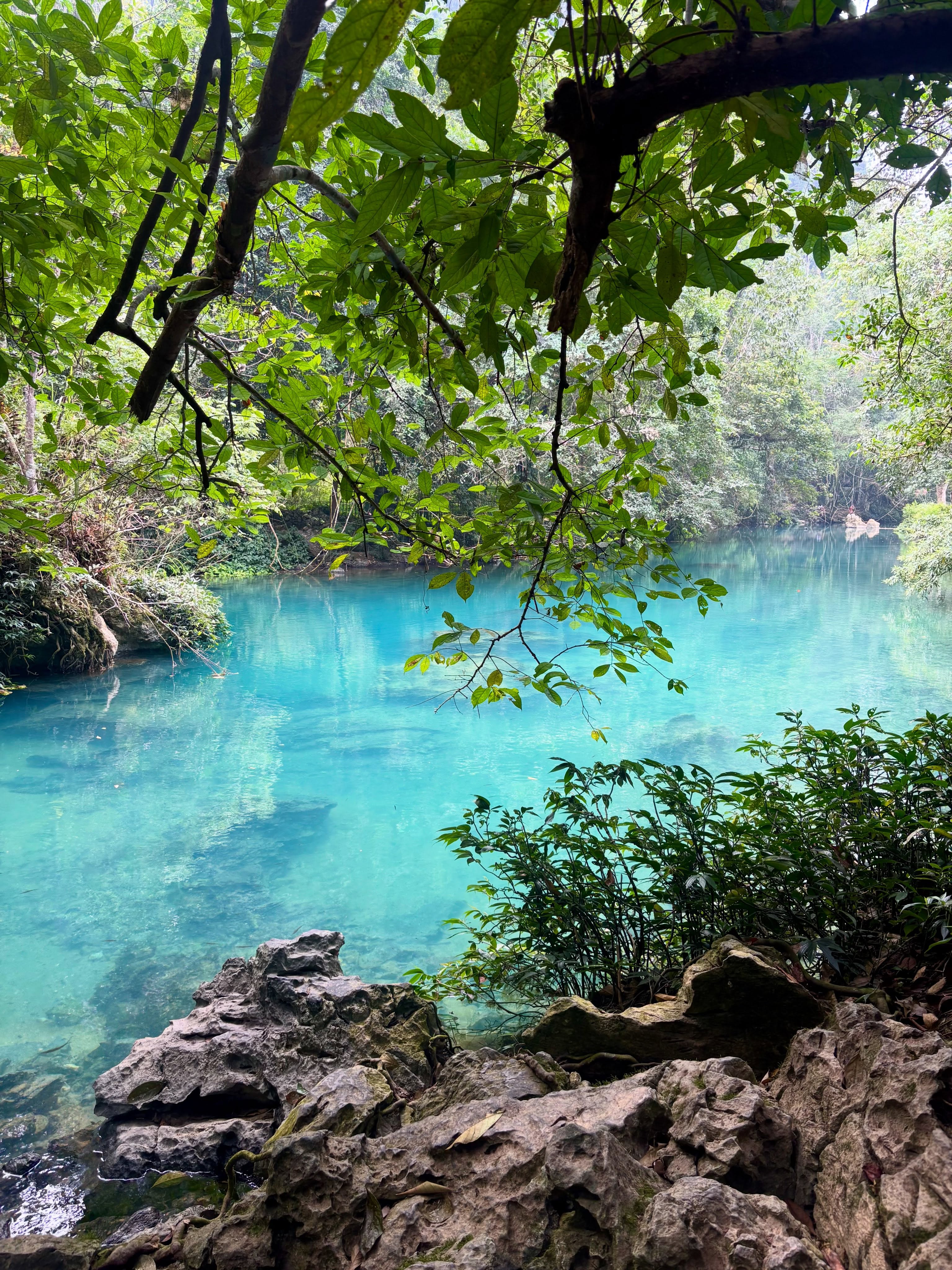
Pac Bo Cave and Le Nin River
Pac Bo connects the region with Ho Chi Minh’s revolutionary activity in the early 1940s. Historical interpretation makes the visit more meaningful than simply photographing the landscape. Choose a guide who can explain the significance and distinguish historical places from later memorial features.
It is a separate outing from the Ban Gioc cluster. Avoid attempting to give both full attention in one rushed day. If your time is short, prioritise the experience you most want rather than adding another distant stop.
Explore the geopark through selected places
Thang Hen and Nui Mat Than, often called Angel Eye Mountain, are options for travellers interested in karst scenery. Water levels, access and the appearance of open ground can vary. Ask about the actual route and conditions before planning a walk, drive or photography session.
Traditional crafts can add another perspective. A workshop visit around the Phuc Sen area, for example, can introduce local production when a willing provider is available. Arrange the visit, agree any charge and respect working spaces. A workshop should not be assumed to operate as a daily staged demonstration.
Where to Stay and What to Eat
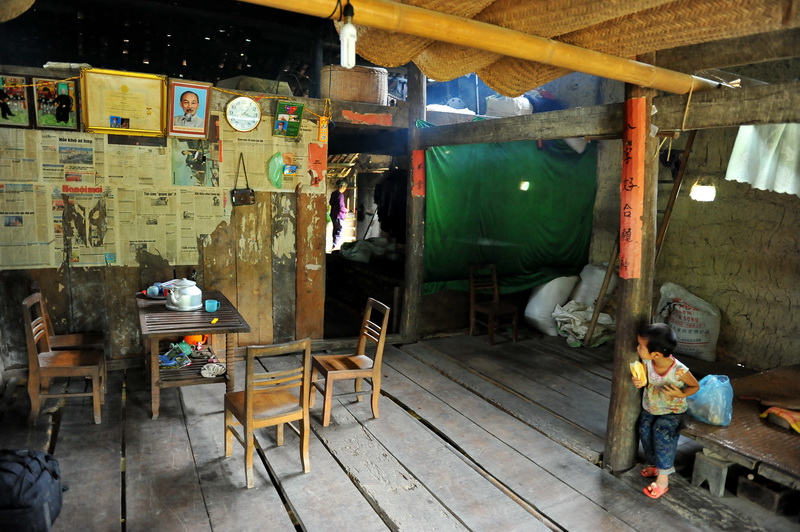
A traditional home interior offers a glimpse of everyday rural life in Cao Bang. (Source: Collected)
Central hotel or countryside overnight?
A central hotel works well for arrival, independent meals and access to services. It may also be convenient when your programme visits several directions. The compromise is the driving involved if you repeatedly travel out to the Ban Gioc area and back.
Staying nearer the waterfall can create a more relaxed morning and an evening outside the urban centre. Compare accommodation around the confirmed route rather than choosing a room solely because its listing includes “Ban Gioc”. Exact location and access matter.
Base
Main advantage
What to check
Central urban hotel
Dining, services and transport practicality
Noise, parking and the drive to planned sights
Trung Khanh area
A possible base along the waterfall touring route
Actual distance, meal options and pickup location
Khuoi Ky or nearby village stay
Village setting and time near the eastern sights
Hosting style, bathroom, access and dinner arrangements
Accommodation near Ban Gioc
Less travel before or after a waterfall visit
Current facilities, availability and total cost
One hotel avoids repacking, while a carefully chosen split stay can reduce repeated road journeys. Choose based on the finished route rather than a general rule that changing hotels is always better or worse.
Understand homestay facilities
“Homestay” can mean shared household accommodation, a guesthouse or private rooms operated much like a small hotel. Ask about the actual room, bathroom, meals and host interaction. Photographs of a traditional exterior do not establish the comfort or privacy of the booked room.
Confirm hot water, ventilation, bedding and heating or air conditioning appropriate to the season. Families should check beds and child charges; travellers with mobility needs should ask about the full route from vehicle to bedroom. Request current information about construction and group events if quiet matters.
Eat with local context
Look for regional dishes such as banh cuon served with broth or sour pho, and let your host explain what is available locally. Check portion sizes and preparation rather than ordering a long list simply because every item is described as a speciality.
Outside the main urban area, arrange dinner and dietary needs before arriving late. Explain allergies clearly, including concerns about sauces and broths. A village meal can be a rewarding part of the stay when expectations, payment and hosting are agreed.
Cao Bang Itineraries, Budget and Practical Questions
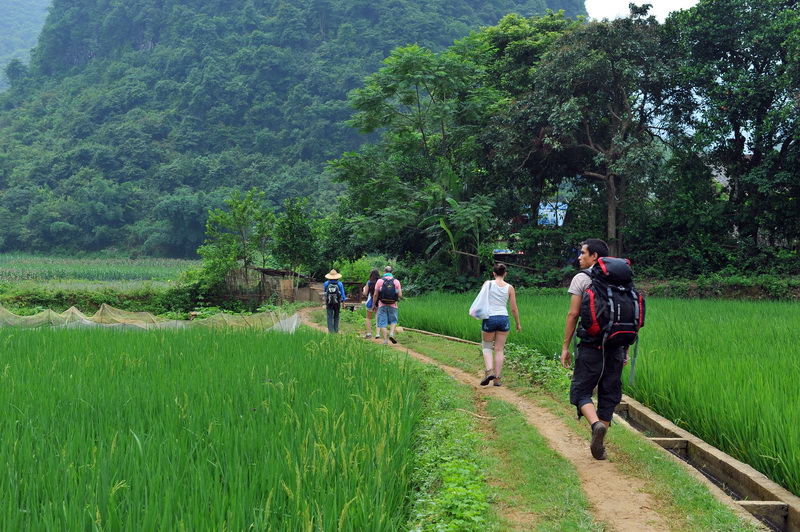
Travellers walk beside rice fields and limestone hills on a countryside outing in Cao Bang. (Source: Collected)
Three, four or five days from Hanoi
The outlines below include arrival and return travel from Hanoi. If you are already in Cao Bang, you have more usable sightseeing time. Likewise, an overnight arrival should not automatically become a full demanding day.
Duration
Suggested emphasis
Main compromise
Three days, two nights
Travel in; a focused Ban Gioc-area day; travel out
Limited flexibility and little scope for distant additions
Four days, three nights
Add another touring area or a more relaxed split stay
Still requires choosing priorities
Five days, four nights
A broader mix of waterfall, history and countryside
Needs sensible routing rather than extra stops everywhere
For a four-day first visit, travel to the central area on day one. Use day two to move towards the eastern sights, with a selected cultural or landscape stop and an overnight matched to the route. Visit Ban Gioc and a suitable nearby attraction on day three, then position for your return. Keep day four primarily for the journey back.
If Pac Bo is a priority, redesign the middle days or add a day rather than inserting it into an already full Ban Gioc programme. A five-day stay can provide separate time for history, but the precise order depends on accommodation and road arrangements.
Combining Ba Be or Ha Giang
Ba Be can create a varied journey combining waterfall scenery and a lake setting. Our Ba Be and Ban Gioc four-day tour provides one compact example. Read the driving schedule carefully and request more time if you prefer longer walks or slower mornings.
Ha Giang is a larger extension, not a nearby afternoon addition. The Ha Giang, Cao Bang, Ban Gioc and Ba Be nine-day tour shows the scale of a multi-region journey. Choose a comfortable number of road days and avoid assuming that being in northern Vietnam makes every connection short.
What should you budget?
These are editorial planning allowances, not live quotations. Daily figures assume two adults sharing accommodation and splitting the room cost. They exclude Hanoi transfers, private touring vehicles, guides, attraction tickets, substantial activities, visas and insurance.
Travel style
Allowance per person per day
Main assumptions
Budget-conscious
VND 650,000–1,100,000
Simple shared room, local meals and limited incidental spending
Comfortable mid-range
VND 1,200,000–2,200,000
Comfortable shared accommodation and varied dining
Upscale arrangements
VND 2,500,000–4,500,000 or more
Higher available room category, more expensive meals and additional comfort
Transport can be a substantial part of the total, especially for one or two travellers. Price it separately before relying on the daily average. Higher spending does not guarantee the same hotel category in every village, so confirm each overnight property.
Ask quotations to identify meals, guide language, entrance fees, waiting time, parking and optional activities. Verify current tickets and operating arrangements close to travel rather than relying on an old price list. Compare inclusions before comparing package totals.
What should you prepare?
Pack shoes with grip, a rain layer, sun protection and seasonal clothing. Carry some cash, keep booking details offline and confirm pickup points in advance. Protect electronics near spray or during rain, and leave enough luggage space for clothing you may need during the drive.
Check the itinerary with your provider before departure, including any documents, registrations or access arrangements relevant to the chosen areas and activities. Do not assume a requirement for one border product applies to every ordinary sightseeing visit. Respect restrictions on photography and do not fly a drone without the necessary permission.
Is Cao Bang worth visiting without riding a motorbike?
Yes. A car-based itinerary can provide access to major sights and selected village visits. It often suits travellers who want shelter, luggage convenience and time to talk with a guide between stops.
Can you visit Ban Gioc on a day trip from Hanoi?
For most first-time visitors, an overnight programme is a much more practical choice. The return travel would leave a very long day and little flexibility. Build the visit into at least a focused multi-day trip.
Does everyone need the same border paperwork?
Do not assume so. Requirements depend on the area, nationality, activity and current arrangements. Have the provider confirm what applies to your actual programme, especially if it includes a cross-border product.
Should you book every activity in advance?
Reserve essential rooms and transport according to your dates, then keep weather-sensitive activities adaptable where possible. Confirm cancellation terms and alternatives. A clear route with room to change works better than a tightly timed list of prepaid stops.
For a personalised journey, contact Vietnam Travels with your travel dates, number of travellers, preferred accommodation and comfortable activity level. Mention whether Ban Gioc, history, photography or village life is the priority, and whether you want to continue to Ba Be or Ha Giang.
Research checked on 13 November 2026. Durations and budgets are planning estimates. Confirm current road access, documents, attraction operations and prices for the actual itinerary.