Phong Nha Ke Bang Travel Guide: Plan Your First Visit to Vietnam’s Cave Country
November 19, 202616 min read
Phong Nha is a place where choosing the right experience matters more than seeing the most famous name. A river journey into a cave, a walk among illuminated formations and a demanding trek to an underground campsite offer very different holidays. You can enjoy the landscape without joining an expedition, or make a particular adventure the centerpiece of your trip.
This Phong Nha Ke Bang travel guide helps you decide where to start. Match the activity to your interests and fitness, allow time for arrival and recovery, then choose accommodation and transport around that plan. A thoughtful first visit leaves room for both the caves and the countryside above them.
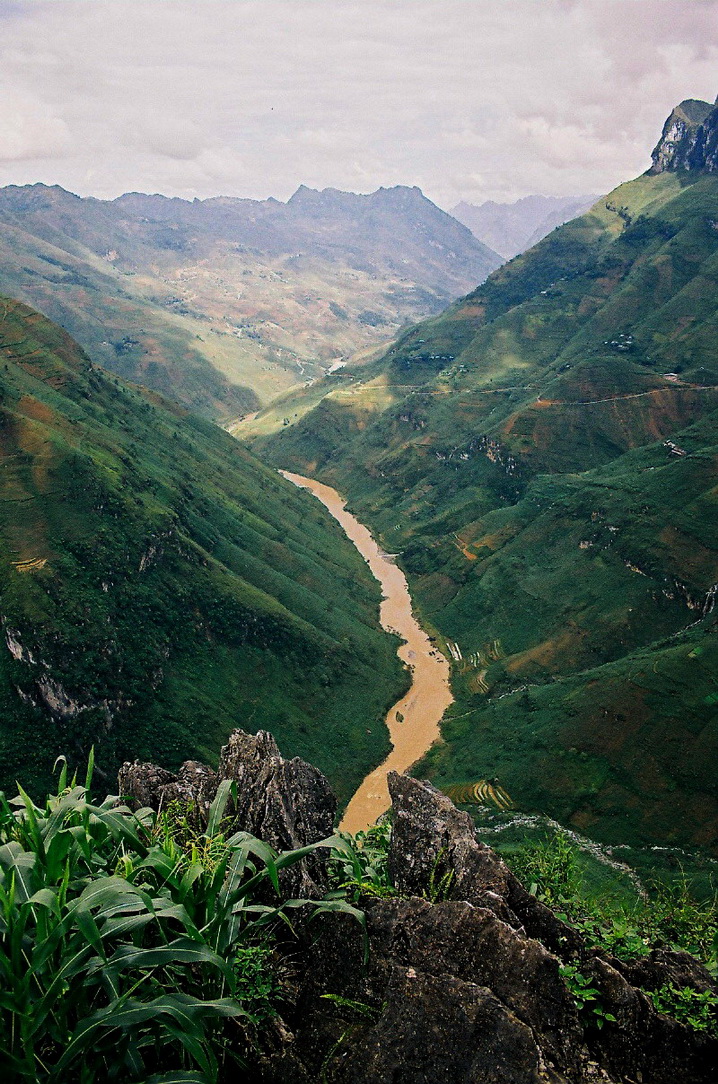
Featured image: Clouds drift between limestone hills above fields, village homes and a winding river in the Phong Nha region. (Source: Collected)
1. Understand Phong Nha and Choose Your Travel Style
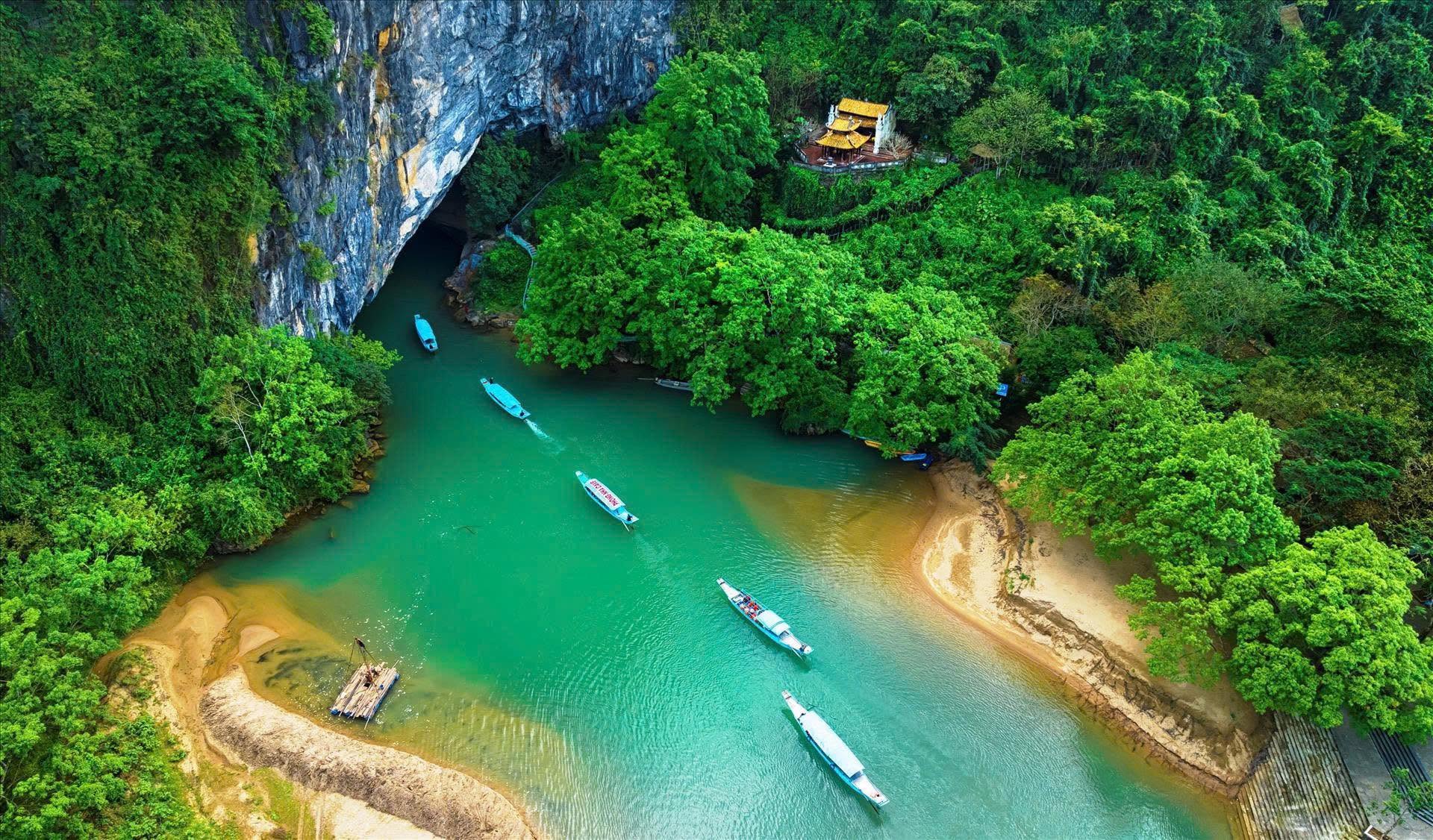
Boats approach Phong Nha Cave along green water beneath a forested limestone cliff. (Source: Collected)
The village, the national park and the wider cave region
Phong Nha is a gateway and accommodation base for exploring the surrounding limestone landscape. Phong Nha–Ke Bang National Park is a larger protected area, while Dong Hoi provides an airport, railway connections and another possible overnight base. These names are related, but they describe different parts of your journey.
Not every cave excursion sold from Phong Nha takes place inside the national park. The Tu Lan cave system, for example, lies outside it. Check the location and pickup arrangements of your chosen tour rather than assuming all activities begin near the same entrance or ticket office.
Older addresses frequently mention Quang Binh; current information may identify Quang Tri following administrative changes. Confirm your accommodation’s map location and the precise meeting point. An old province name in a familiar travel guide should not be your only reference when arranging a transfer.
The UNESCO listing also has an updated context. Following its 2025 extension, the World Heritage property is named Phong Nha-Ke Bang National Park and Hin Nam No National Park, spanning Vietnam and Laos. This recognition does not turn a visit on the Vietnamese side into a combined cross-border excursion. Travel arrangements remain separate.
You do not need to be an expedition traveler
A first visit can focus on established cave attractions, short outings and a comfortable riverside stay. Travelers who want more physical involvement can choose guided journeys with trekking, swimming or camping. Neither approach is a lesser way to experience the region; the useful question is which one you will enjoy.
Do not judge difficulty from the number of days alone. A one-day outing can involve significant exertion, while a longer program may spread activities more gradually. Read the itinerary and ask about the terrain, water, daily activity time and accommodation rather than relying on a single label such as “easy.”
Travel style
A suitable starting point
What to clarify
A gentle introduction
Established cave visits and countryside time
Steps, boat boarding and walking
An active day outdoors
A guided trek or cave activity
Distance, terrain and water requirements
An overnight adventure
A program including camping or a lodge
Sleeping arrangements and consecutive active days
A family visit
Activities selected for the actual ages and abilities
Participation rules and supervision
A specialist expedition
A specifically planned and screened program
Availability, fitness and preparation
2. Choose Your Season and Length of Stay
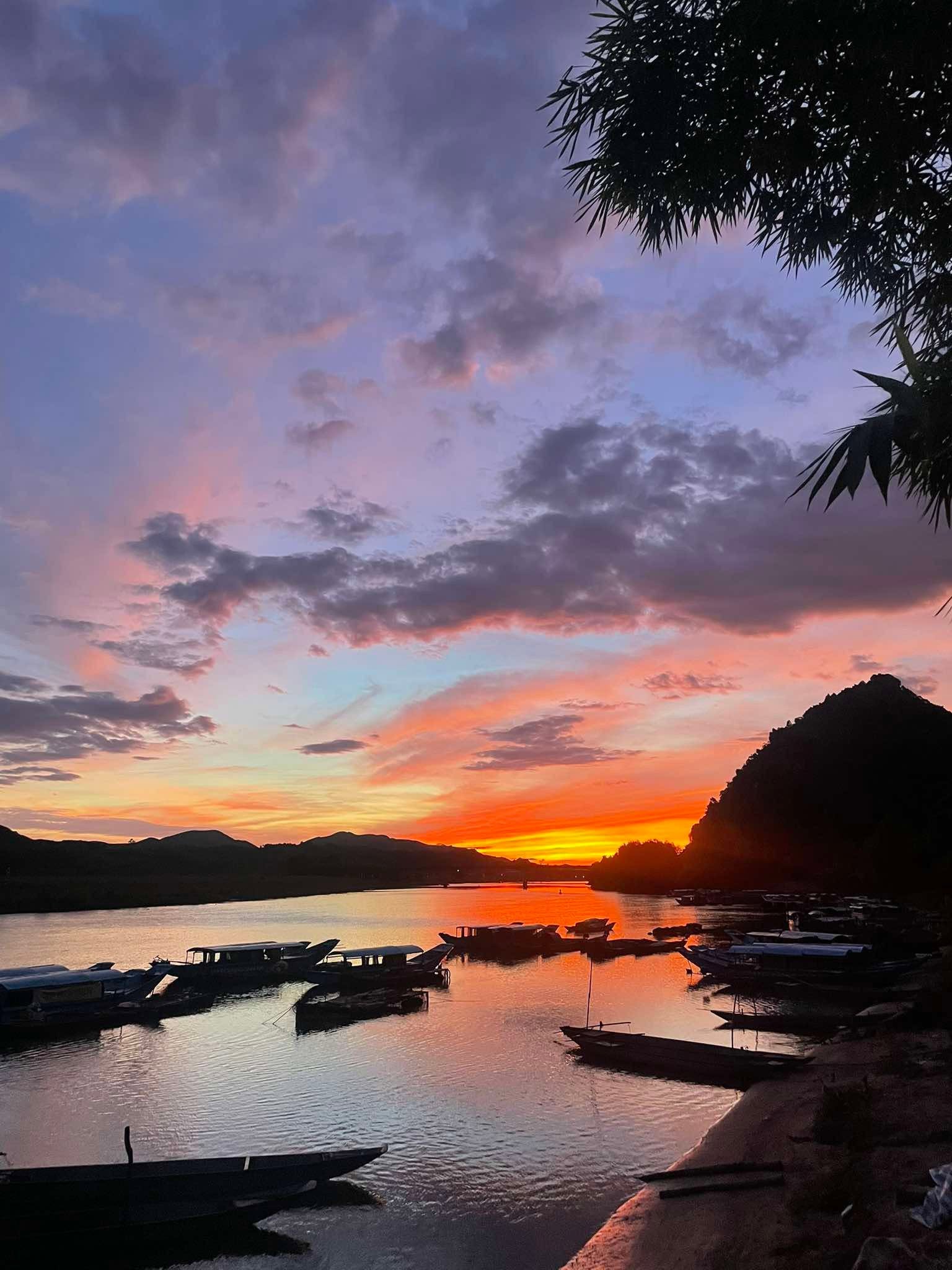
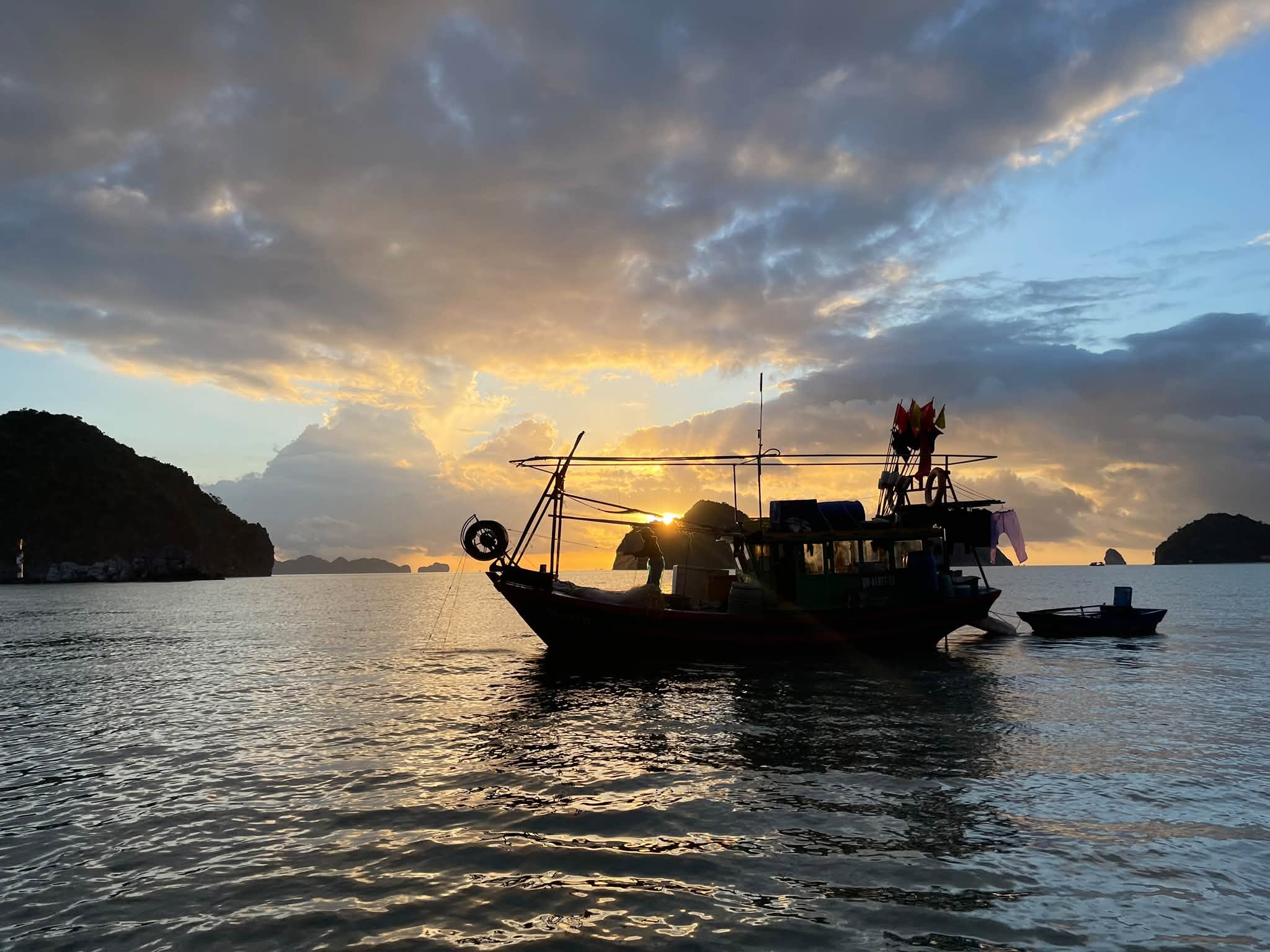
Sunset colours the sky above Phong Nha’s boat pier and the surrounding limestone hills. (Source: Collected)
Weather affects activities differently
Phong Nha experiences seasonal changes in rainfall, heat and water conditions. Spring and summer are common planning periods for outdoor exploration, although summer heat can make walking demanding. Later in the year, heavier rain and flooding can affect access and itineraries. Look beyond a simple dry-season recommendation.
A cave with a visitor walkway, a river-based visit and a wilderness route have different operating considerations. Conditions at your hotel do not establish conditions upstream or inside a cave system. Follow current advice from the attraction or operator, particularly after sustained rain.
Avoid two assumptions: that every cave is available throughout a generally favorable month, or that every activity closes for the whole rainier season. Tour calendars and alternative itineraries differ. Verify the actual program for your dates before booking transport around it.
Choose the experience before fixing the dates
If you have a specific adventure in mind, ask about its operating period, departure availability and arrival requirements first. Some programs need advance preparation or a briefing before the main activity. An apparently convenient overnight train may not leave enough time to meet those requirements comfortably.
For a less structured visit, build flexibility into your cave days. Keep one or two possible alternatives, but do not assume another outdoor attraction will be suitable during the same weather event. Sometimes changing the pace, remaining at your accommodation or adjusting the wider itinerary is the more practical choice.
Priority
What should shape your timing?
What to reconfirm
Established cave visits
Comfortable travel days and current access
Opening arrangements and local conditions
Trekking
Heat, rain and the route’s demands
Operator assessment and equipment
Swimming or river caves
Water and temperature conditions
Participation requirements and possible changes
A specific expedition
Its own published calendar
Availability, briefing and arrival dates
How many days in Phong Nha?
Two nights can provide a useful introduction if your arrival and departure leave a full day. Three nights create a better balance between a cave outing, countryside time and rest. Four nights allow a slower stay or space around a more substantial activity, depending on its duration.
Count usable days rather than nights alone. A three-day booking with late arrival and early departure can leave just one full day. If you choose an overnight adventure, account separately for any pre-tour briefing, the nights included in the program and the time you want afterward.
3. Get to Phong Nha and Choose Your Base
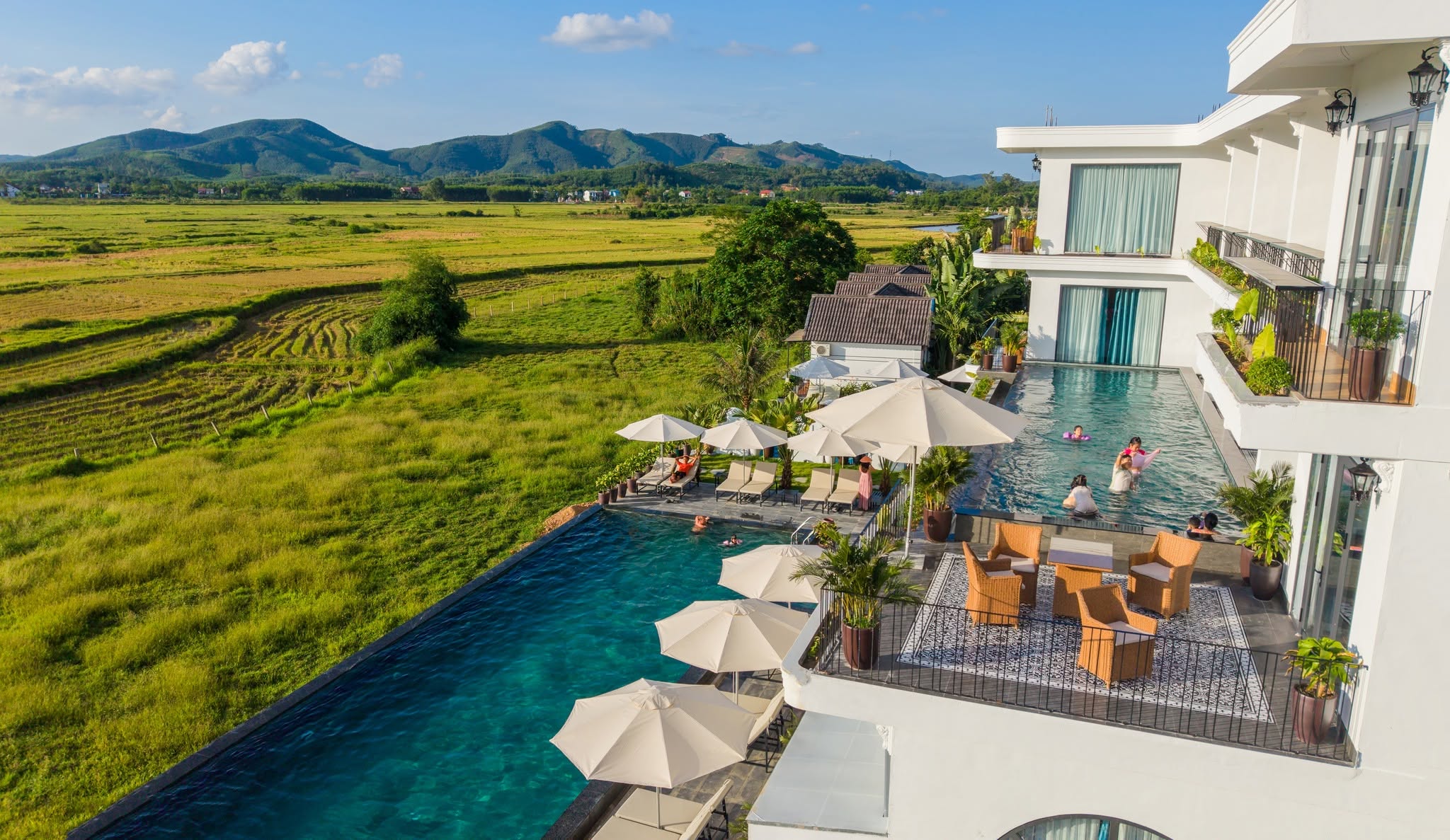
Pools and balconies at a countryside property in Phong Nha overlook open fields and low hills. (Source: Collected)
Arriving through Dong Hoi
Dong Hoi is the principal air and rail gateway for many visitors. Phong Nha is roughly 45 kilometers away, so arriving at the airport or station is only part of the journey. Arrange the onward road transfer around your actual service and accommodation location.
Check flights for your dates directly with the airline. Do not rely on a historical route announcement or assume that an international service mentioned in an older article is still operating. With trains, verify the arrival station and time, especially when the service reaches Dong Hoi early in the morning.
Ask whether a transfer is included in your accommodation or tour booking. If it is an extra service, confirm the total, meeting point, luggage capacity and treatment of delays. For an early arrival, arrange somewhere to rest or leave bags rather than assuming immediate room access.
Arriving by road
Some intercity services are marketed directly to Phong Nha, while others stop in Dong Hoi or at a designated roadside point. Confirm the exact drop-off before buying. The destination printed in a search result does not always describe the final location where you will leave the vehicle.
An overnight journey can save a hotel night but may also reduce sleep. Avoid committing to a demanding trek immediately afterward without discussing the arrangement with the operator. If you are combining Phong Nha with Hue, Ninh Binh or another destination, compare the complete journey rather than only the main transport leg.
Where to stay in Phong Nha
A central location is useful if you want convenient meals and straightforward tour pickups. A riverside stay can provide a relaxing setting, but check the actual route to restaurants and transport. A countryside homestay or lodge may suit slower days, provided you understand how meals and outings will work.
Dong Hoi can be practical for an arrival or departure night. It is a separate base, so do not assume a Phong Nha tour includes pickup there. Compare the extra transfers with the benefit of staying closer to the station, airport or your wider itinerary.
Base
Consider it for
Check before booking
Central Phong Nha
Dining access and independent arrangements
Immediate surroundings and pickup point
Riverside accommodation
Scenery and time at the property
Access, facilities and meal options
Countryside stay
A quieter, property-led experience
Transport and evening arrangements
Dong Hoi
Travel connections or a separate city stay
Distance and tour pickup coverage
For overnight tours, ask about luggage storage and your return accommodation. Confirm whether the program already includes a hotel or lodge night before reserving another room. Drying clothes, a shower and an uncomplicated dinner can be useful priorities after an active trip.
Moving around locally
Choose transport for the actual route. Walking works for some central errands, while cave attractions and countryside outings may require a car or organized transfer. Cycling can be enjoyable where the route, weather and surface suit your ability. Check the return journey as carefully as the outward one.
Do not treat a national park road as a uniformly gentle bicycle ride. Heat, gradients and distance can change the effort substantially. If considering motorbike rental, first confirm your legal eligibility, insurance and ability to handle local conditions. A prearranged vehicle can be the simpler choice for a mixed-ability group.
4. Choose Your Caves and Outdoor Experiences
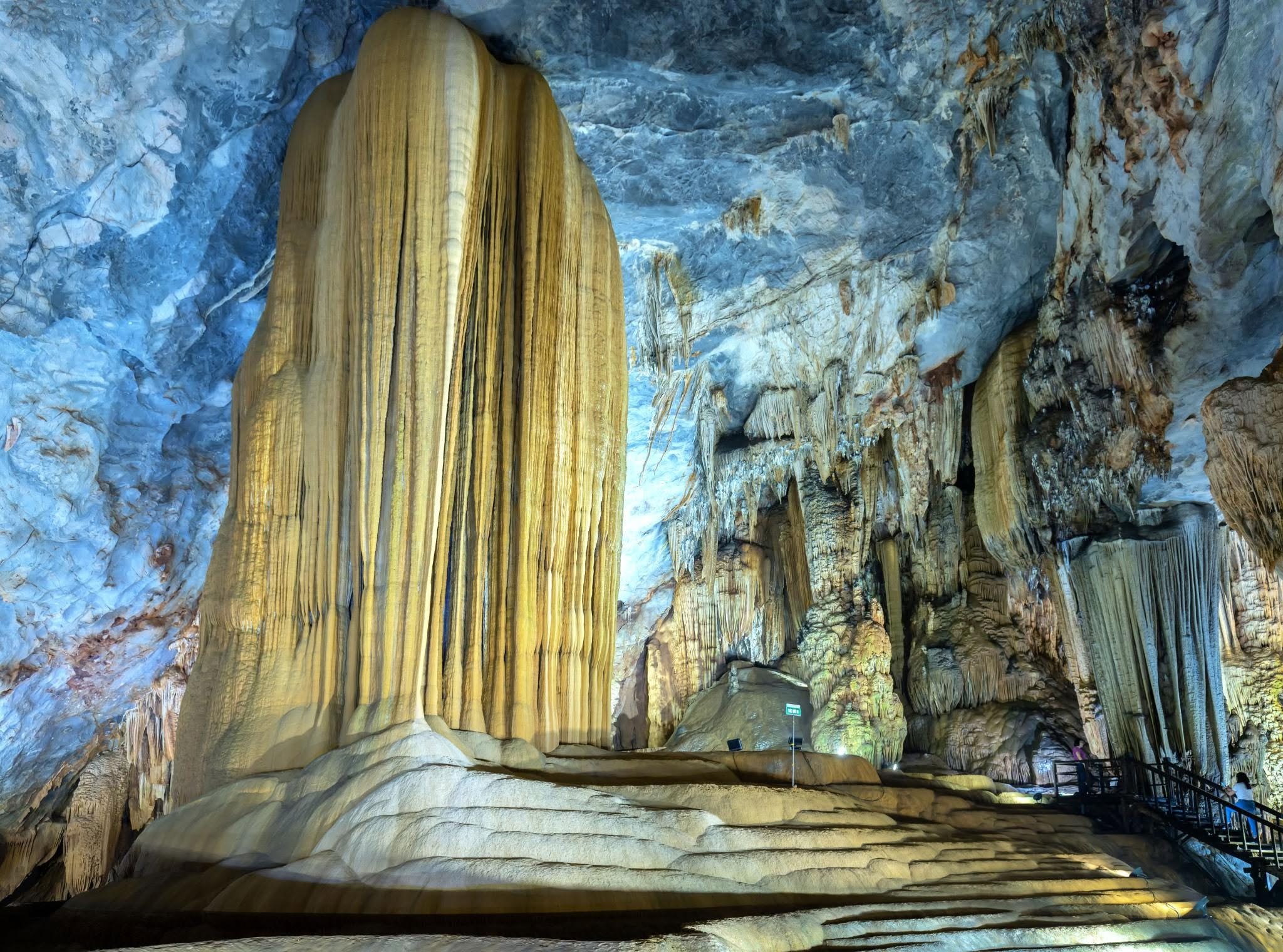
Illuminated limestone columns and a visitor walkway reveal the scale and textures of a developed cave gallery. (Source: Collected)
Phong Nha Cave: a river-based introduction
Phong Nha Cave is reached by boat from the main visitor area, making the river journey part of the experience. It is a useful option for travelers attracted to both the landscape outside and formations underground. Check the current visitor route and the complete ticket and boat arrangement.
Boat access does not remove all physical demands. Ask about boarding, steps and walking on the selected route, particularly for anyone with limited mobility. Clarify how boat charges are calculated and whether you are reserving a private boat or joining an arrangement with other passengers.
Paradise Cave: walking among large formations
Paradise Cave, or Thien Duong, offers a different introduction, with an approach on land and walking within the developed visitor section. Expect steps and changes in level. Consider both the approach and the cave visit when assessing whether it suits your group.
The standard visitor experience should be distinguished from any longer exploration program. A description of the cave’s full surveyed length does not mean ordinary admission grants access to all of it. Ask which section your ticket covers and how much walking is actually involved.
Choosing between them
If time allows, the two experiences can complement one another. With only one available outing, choose according to your interest in the river journey, walking preferences and current access. Avoid selecting solely from claims that one is the “best cave.”
Give each visit enough room for travel, ticket arrangements and breaks. Combining attractions can be convenient, but a package name does not explain the pace. Ask how much time is spent at each stop and whether optional activities reduce your time in the cave you most want to see.
Adventure tours: read the demands, not just the photographs
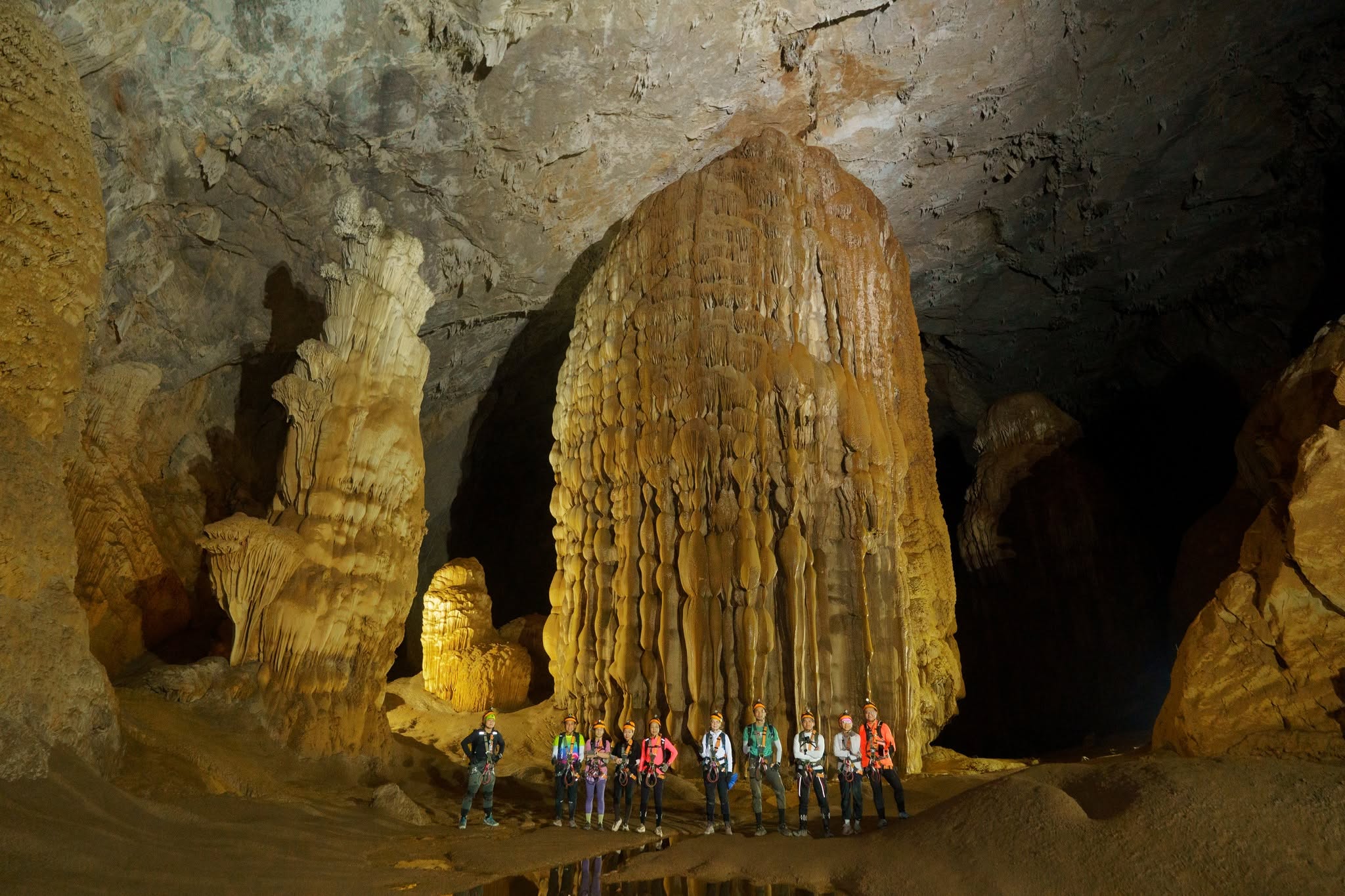
Helmeted expedition participants stand below towering limestone formations, illustrating a different experience from a standard visitor route. (Source: Collected)
Programs involving places such as Hang En, Hang Va or Tu Lan offer different combinations of terrain and activities. Son Doong requires its own advance planning and should not be treated as a casual addition to a short stay. Choose a specific program rather than a general promise of “cave adventure.”
Ask about walking distance, elevation changes, slippery surfaces, swimming, confined passages and time underground. Request clear details of equipment and support. If an activity concerns you, disclose it before booking so the operator can assess suitability or suggest another option.
For camping, establish the sleeping setup, toilet arrangements, meals, drinking water and what you carry yourself. Tour names and difficulty labels are not standardized across companies. Compare the practical demands rather than assuming two similarly rated programs are interchangeable.
Experience type
Main appeal
Decision to make first
Phong Nha Cave visitor route
River approach and cave scenery
Does boarding and walking suit the group?
Paradise Cave visitor route
Formations viewed on foot
Are the approach and steps manageable?
Guided day adventure
More active exploration
Do the terrain and water demands fit?
Overnight program
A sustained outdoor experience
Are consecutive activity days and sleeping arrangements suitable?
Specialist expedition
A particular cave journey
Can you meet its preparation and participation requirements?
Leave time above ground
The surrounding countryside deserves space in the itinerary. A gentle local walk, an appropriate cycle route or time beside the river can provide a welcome change after an underground outing. Choose an activity that matches the energy you actually have, rather than treating downtime as a gap to fill.
Other recreation sites may involve water, equipment or specific participation rules. Check these separately instead of grouping every river activity under one idea of easy family fun. Keep your group together where appropriate, follow staff instructions and respect closures.
5. Plan Meals, Costs and Practical Preparation
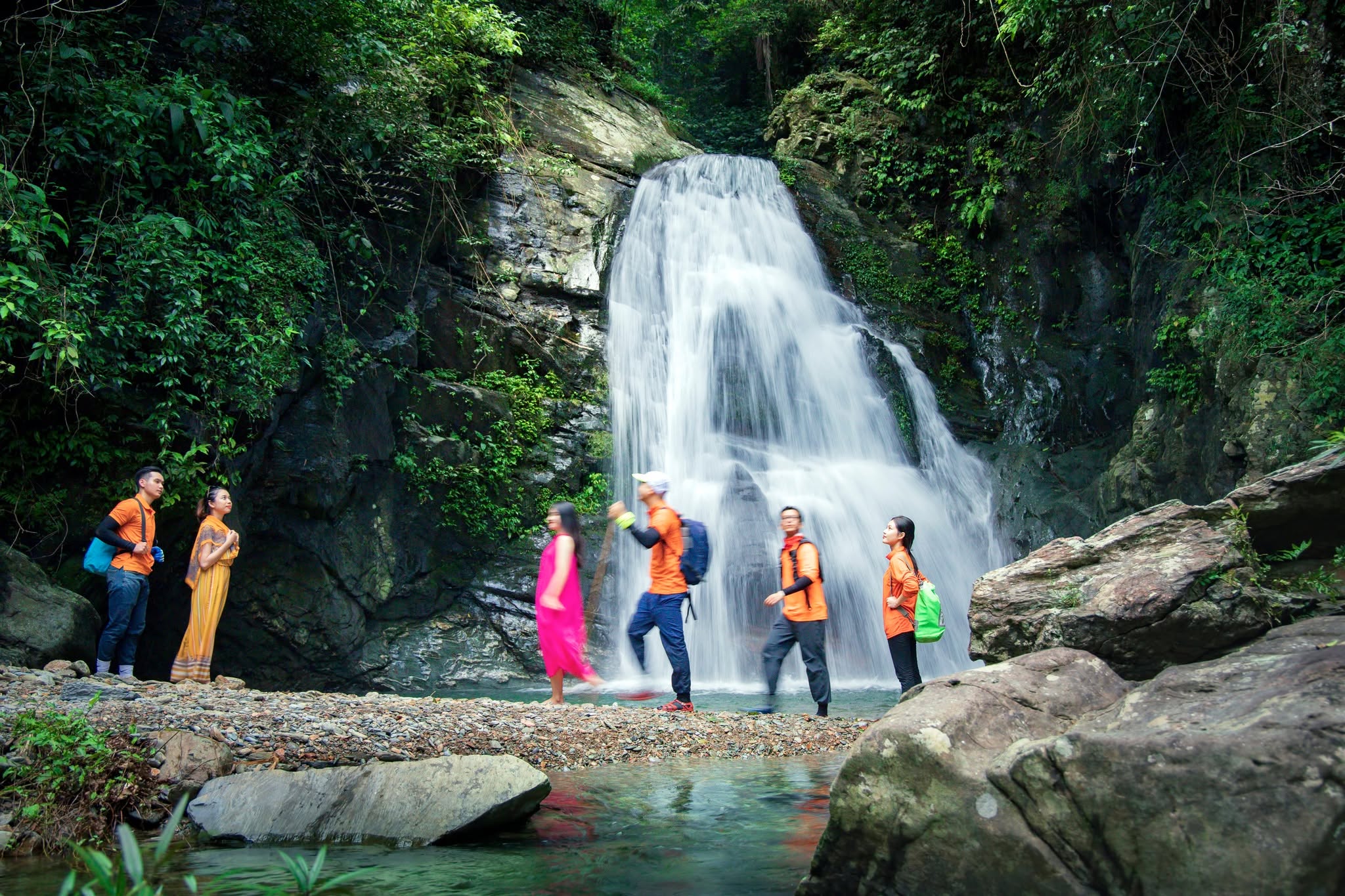
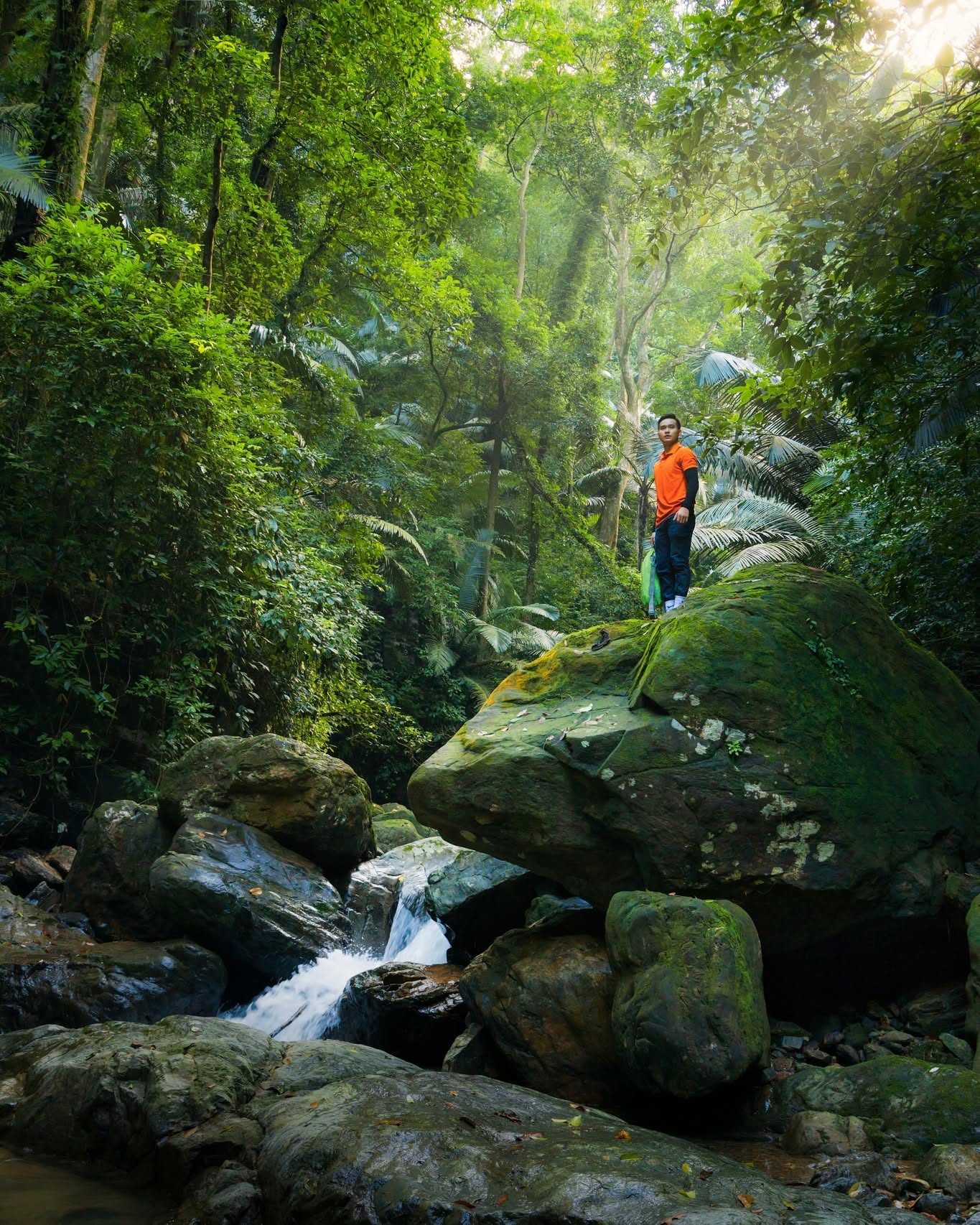
A forest outing in the Phong Nha region passes moss-covered boulders and a shaded stream. (Source: Collected)
Keep meals straightforward around active days
Choose accommodation partly for how you will eat before and after excursions. A central stay offers independent dining choices, while a remote property benefits from advance meal arrangements. Ask about breakfast timing when your tour starts early and dinner options if you return later than expected.
For an organized adventure, confirm which meals are included and explain dietary requirements before booking. Repeat important allergy information with the team before departure. Carry snacks only as advised, and ask how drinking water is supplied or refilled during the activity.
Build the budget around your main experience
A stay centered on established attractions has a different cost structure from a specialist guided program. Compare the whole trip: accommodation, transfers, cave admission, boats, guides, meals and equipment. An apparently expensive package may include substantial services, while a basic ticket may cover only one part of the day.
Budget area
What to include
Question to ask
Accommodation
Room nights and meals
Are any nights already included in the tour?
Arrival and departure
Main transport and final transfers
Which station or pickup point is covered?
Visitor attractions
Admission and separate services
Are boat or shuttle charges additional?
Adventure program
Guides, equipment, food and accommodation
What remains payable separately?
Flexibility
Changes and extra nights
What happens if the itinerary changes?
Request an itemized quotation for your dates and group. Check cancellation and weather-change terms before paying. Avoid comparing programs only by price per day: group size, logistical support and the actual activity can differ substantially.
Prepare for the route you have booked
Use the operator’s current packing list for any adventure. Confirm footwear, clothing, luggage and equipment rather than buying everything from a generic travel checklist. Ask how wet belongings are handled and what protection is provided for a phone or camera.
Be accurate when providing fitness and health information. Discuss relevant medical questions with an appropriate professional and share necessary information with the operator. Check insurance against the actual activities, including trekking, cave exploration and any swimming or technical elements.
For a gentler visit, still consider steps, low light and slippery surfaces. Parents should check age and size requirements for each activity. Travelers with accessibility needs should request specific details or photographs of boarding points, paths and bathrooms instead of relying on a broad description such as “suitable for everyone.”
Protect the landscape by staying on permitted routes and avoiding contact with formations. Follow guidance on waste, lighting and photography. A cave visit is most rewarding when there is time to look carefully without disturbing the environment.
6. Build a Flexible Two-to-Four-Day Itinerary
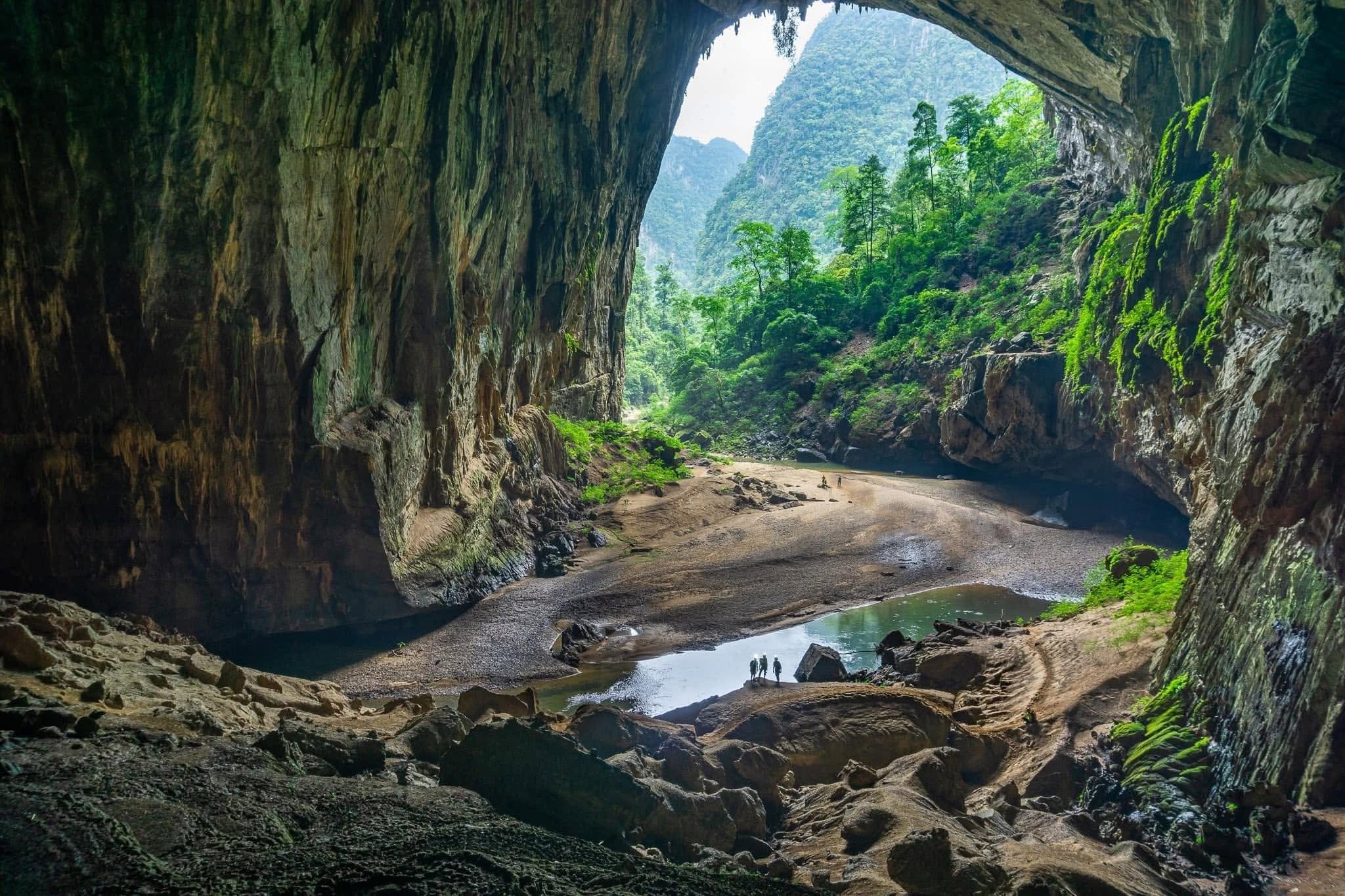
Small figures beneath a vast cave entrance show the scale of the region’s underground landscapes. (Source: Collected)
A first-visit framework
Start with the experience you most want, then place arrival, accommodation and departure around it. The framework below suits a general introduction. A specific expedition may require a completely different structure, including earlier arrival for preparation.
Day
Suggested focus
Adjustment to consider
Day 1
Arrive, settle in and explore nearby
Rest after overnight transport
Day 2
Your priority cave visit or booked activity
Follow current access and operator advice
Day 3
A complementary cave or countryside outing
Keep lighter after an active day
Day 4
A relaxed morning or a suitable additional experience
Protect the onward transfer time
For two nights, choose one main cave experience and use the remaining time gently. For three nights, add a contrasting visit or countryside day. Four nights can provide more breathing space, though an overnight adventure may occupy much of that time once preparation and recovery are included.
Avoid automatically booking two demanding outings on consecutive days. Consider your recent travel, the conditions and everyone in the group. If different companions want different activity levels, separate programs can work, provided pickups and meeting arrangements are clear.
Adapt the plan to your group
Families often benefit from shorter visits, regular meals and time at the accommodation. A boat journey or a developed cave can still involve practical challenges, so select the actual route carefully. Older travelers should choose according to ability and comfort rather than age alone.
For adventure-focused visitors, reserve the main program first. Then confirm the required arrival time, equipment arrangements, luggage storage and return details. Keep the first evening after a substantial trek uncomplicated, particularly if you have another long journey ahead.
The scheduled end of a tour is not the same as being ready at Dong Hoi station or airport. Allow for returning to town, collecting luggage, changing and the road transfer. Ask the operator to assess a proposed connection before buying a restrictive ticket.
Your first Phong Nha stay should fit the way you want to explore. Choose a manageable activity, a useful base and enough time to appreciate the landscape. You can return for a more demanding journey when it is the right trip for you.
If you would like help combining Phong Nha with the rest of Vietnam, a custom Vietnam tour can bring accommodation, transport and suitable experiences into one plan. Share your dates, interests and activity preferences, or contact Vietnam Travels to discuss a practical first visit.