Ha Giang Travel Guide: Plan Your First Visit to Vietnam’s Far North
November 14, 202616 min read
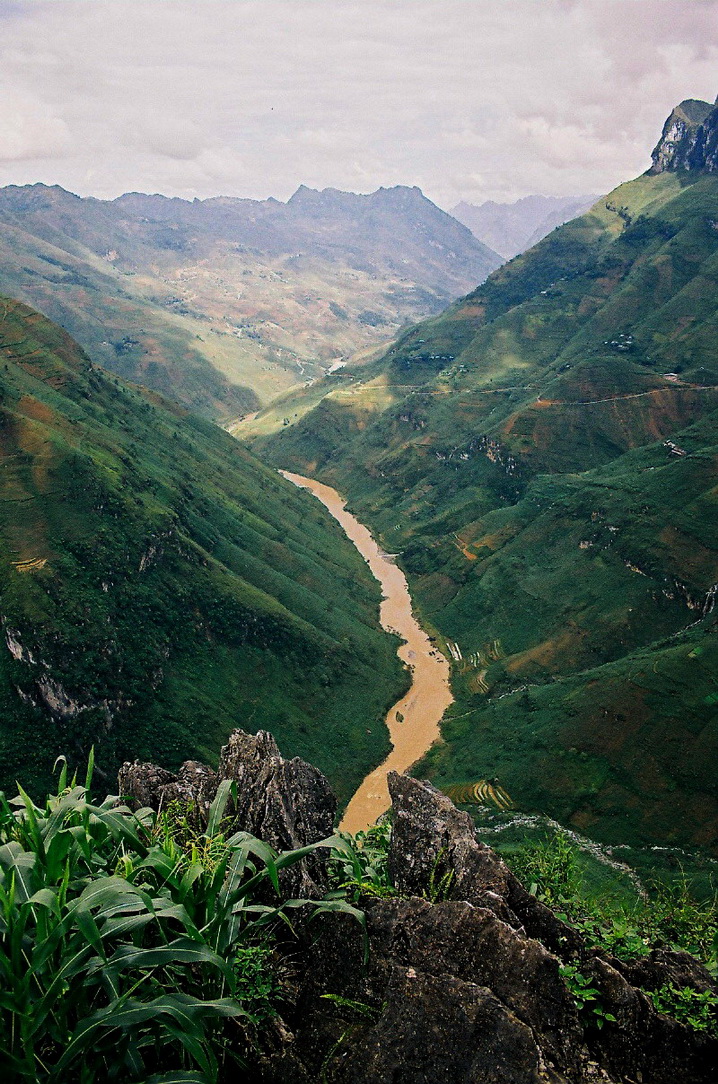
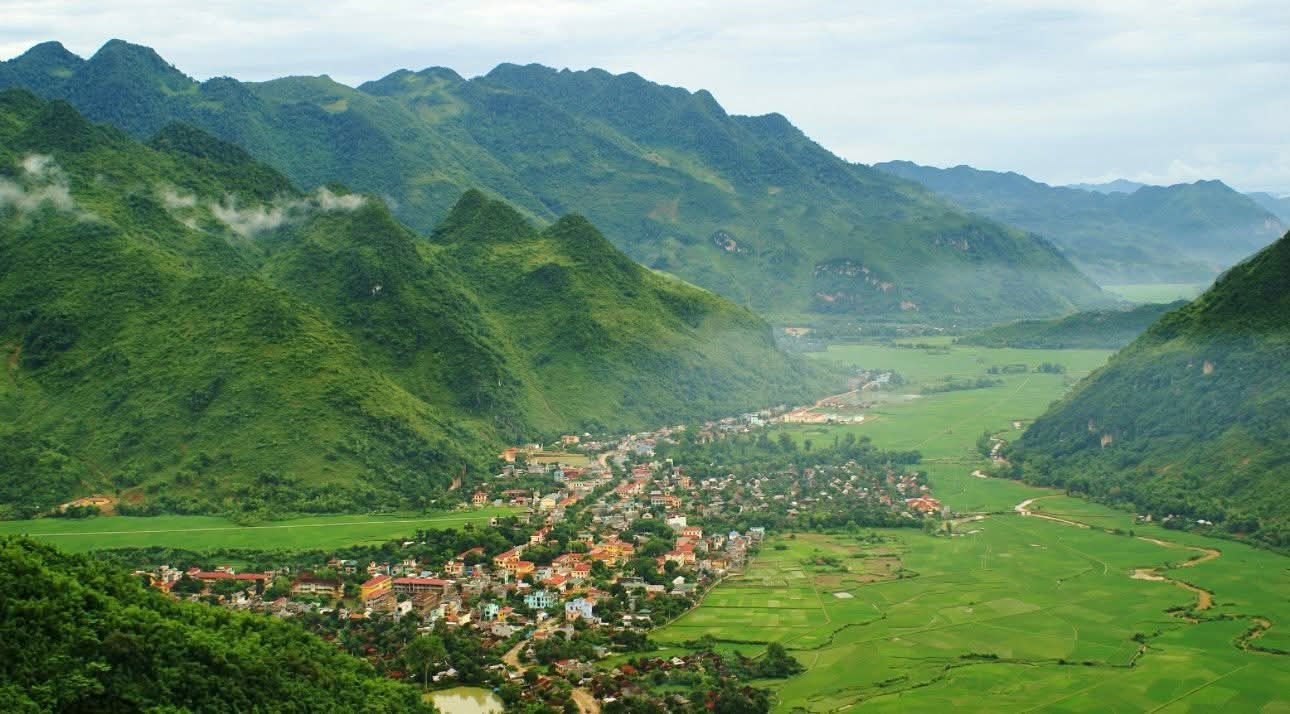
Featured image: Mountain valleys and the Nho Que River in the Ha Giang region. (Source: Collected)
Ha Giang offers more than a famous road circuit. You can explore limestone highlands by car, spend time in village accommodation, walk through agricultural landscapes or build a separate trip around Hoang Su Phi’s rice terraces. This Ha Giang travel guide helps you choose the experience that fits your interests, available days and preferred level of comfort.
Begin by deciding between a travelling journey across the northern plateau and a stay focused on walking and countryside time. Combining both requires additional days, not simply another stop. Then arrange transport and accommodation around that choice, leaving enough flexibility for mountain weather and road conditions.
Understanding Ha Giang and Choosing Where to Explore
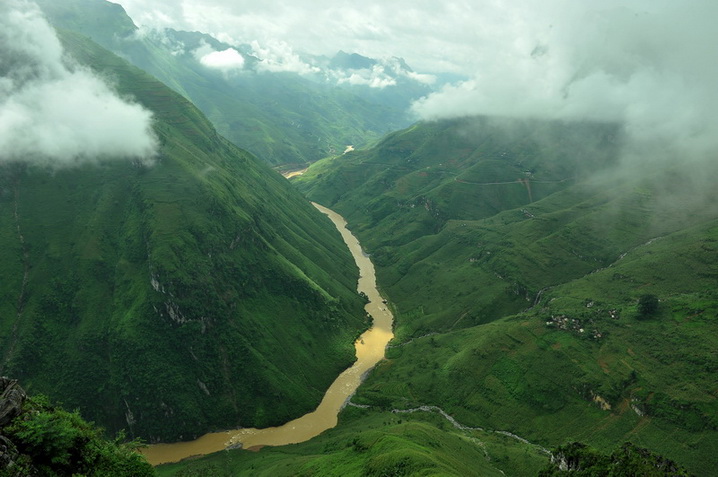
The Nho Que River winds through the limestone highlands near Ma Pi Leng. (Source: Collected)
A destination name that still matters
Ha Giang remains the familiar travel name for Vietnam’s far-northern mountain region. Following the 2025 provincial merger, newer addresses may list Tuyen Quang. The administrative change does not move the mountains or shorten the journeys between them.
Our guide to Vietnam’s new administrative map explains the wider context. For bookings, confirm the exact hotel or meeting-point map pin. “Ha Giang” can mean the gateway urban area or the broader destination, and confusing the two can lead to an unsuitable transfer.
The gateway, the plateau and the rice-terrace country
The gateway area is useful for arriving, resting and organising onward travel. Farther north, the Dong Van Karst Plateau is associated with limestone scenery, settlements and the roads that link them. Hoang Su Phi lies in a different touring direction and deserves its own planning.
Area
Main appeal
What it means for your trip
Ha Giang gateway area
Arrival services, hotels and onward coordination
Useful before or after a longer journey
Quan Ba and nearby villages
Highland scenery, village accommodation and selected cultural visits
A possible focus for a shorter, slower introduction
Dong Van–Meo Vac plateau
Limestone landscapes, heritage and canyon scenery
Allow time for a travelling programme and mountain roads
Hoang Su Phi
Rice terraces, guided walks and countryside stays
Plan as a separate branch, with the correct arrival route
These are travel-planning areas, not a list of current administrative units. Use familiar place names to discuss the route, then verify the actual addresses and roads.
Understand the geopark
The Dong Van Karst Plateau is a UNESCO Global Geopark. Its value includes geological history and the relationship between people and the landscape. This designation differs from UNESCO World Heritage status and does not describe one enclosed attraction with a single admission ticket.
A guided visit can help you understand why houses, fields and settlements appear where they do. Look beyond the road’s curves to the ways communities use limited cultivable land and maintain routes between valleys. That gives the scenery meaning beyond a succession of viewpoints.
Choose Your Travel Style and Allow Enough Time
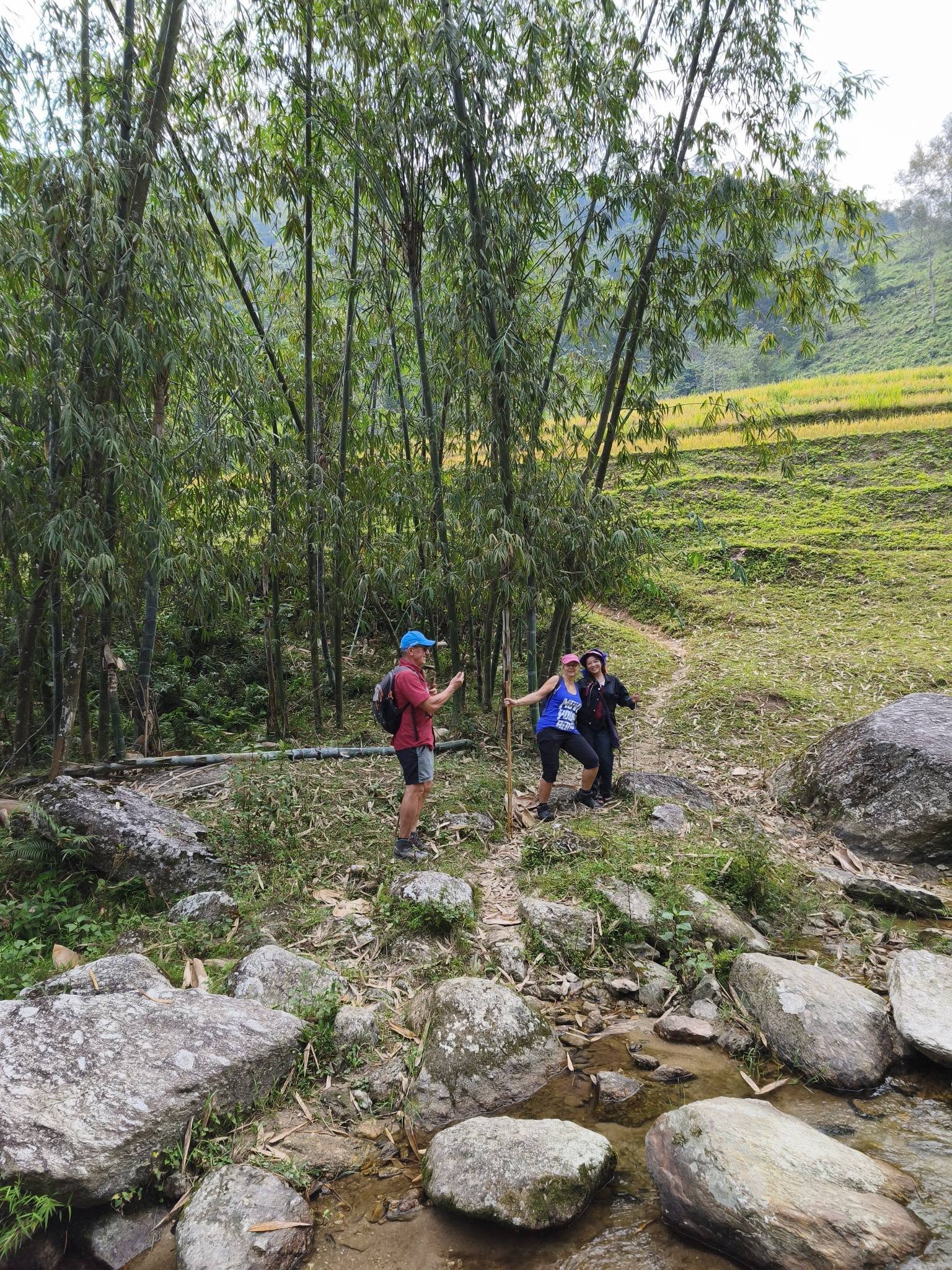
A guided countryside walk in Hoang Su Phi offers a different rhythm from a travelling road circuit. (Source: Collected)
Is Ha Giang right for you?
Consider Ha Giang if you enjoy changing landscapes, cultural learning and journeys where the road is part of the day. It can suit couples, photographers and families willing to plan around realistic distances. Travellers who prefer repeated short walks can also create a worthwhile programme without committing to strenuous trekking.
Think carefully about the pace if long drives, winding roads or frequent hotel changes make travel uncomfortable. Scenic places can involve steps, uneven paths or limited facilities. Explain your requirements before booking rather than assuming an itinerary labelled “sightseeing” will suit everyone.
The Loop is one option
The Ha Giang Loop is a travelling circuit with different possible routes and overnight sequences. It suits visitors who want to experience several parts of the northern plateau. It is not the only way to enjoy the destination, and you do not need to ride a motorcycle to appreciate the landscape.
For the detailed four-day sequence and transport comparison, use our existing Ha Giang Loop Travel Guide 2026. Here, the main decision is whether that moving itinerary suits you better than fewer bases, additional walking or a Hoang Su Phi-focused stay.
Compare three approaches
Travel approach
Strongest fit
Main trade-off
Plateau touring journey
Visitors wanting varied highland scenery and several overnight stops
More time travelling and repacking
One or two bases with village outings
Families and travellers who value a slower routine
A smaller geographical area explored
Hoang Su Phi walking stay
Travellers interested in rice terraces and time on foot
Trail conditions and fitness strongly influence the programme
Avoid choosing by the number of attractions included. A shorter geographical range can create more time to talk with a guide, understand a heritage building or enjoy a meal without watching the clock.
Count usable days separately from travel days
For a plateau journey, four days in the region is a useful starting point, with the Hanoi connection handled separately. Three days can work with a reduced programme. Five or more can provide room for slower cultural visits or additional nights, but still does not make every distant extension practical.
A shorter village-based stay can focus on fewer locations, while a Hoang Su Phi programme should be timed around the chosen accommodation and walks. If your total holiday allows only four calendar days including Hanoi transfers, reduce the scope rather than assuming you have four full sightseeing days.
Do not automatically combine the plateau, Hoang Su Phi and Cao Bang in one brief trip. Choose the strongest match for your interests, or allocate enough time for a genuinely multi-region journey.
Best Time to Visit and How to Get There
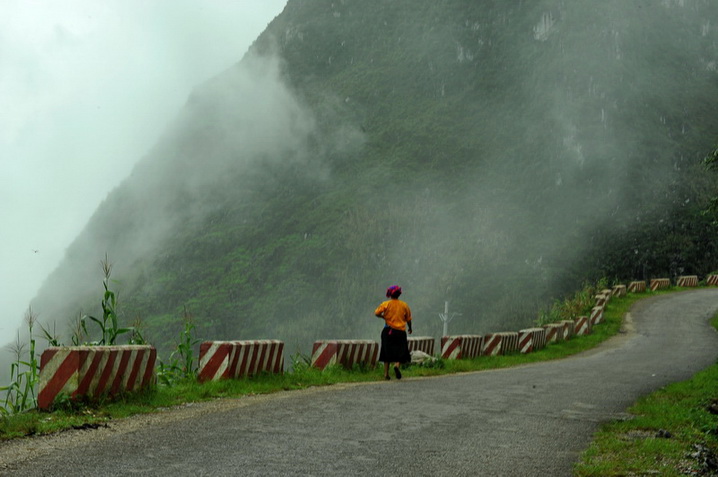
Mist surrounds a mountain road in Ha Giang, illustrating why weather flexibility matters. (Source: Collected)
Match the season to the region
There is no single month that guarantees clear passes, golden terraces and flowers everywhere. Altitude and locality affect conditions, while rice cultivation and flower planting follow their own schedules. Choose the area first, then investigate the season.
Period
Experiences to consider
What needs checking
December–February
Winter highland atmosphere and cultural visits
Cold, mist, room warmth and road conditions
March–May
Spring scenery and walking-oriented trips
Rain, field preparation and local flower timing
June–August
Growing crops and greener agricultural landscapes
Heat, heavy rain and trail or road disruption
September–November
Autumn touring, harvest interest and seasonal flowers in selected areas
Actual crop stage, bloom location and visibility
The plateau can feel cold when lower areas are comfortable. Bring layers even when starting in warm Hanoi, and check the forecast for your overnight locations rather than the gateway alone.
Rice terraces and buckwheat require different planning
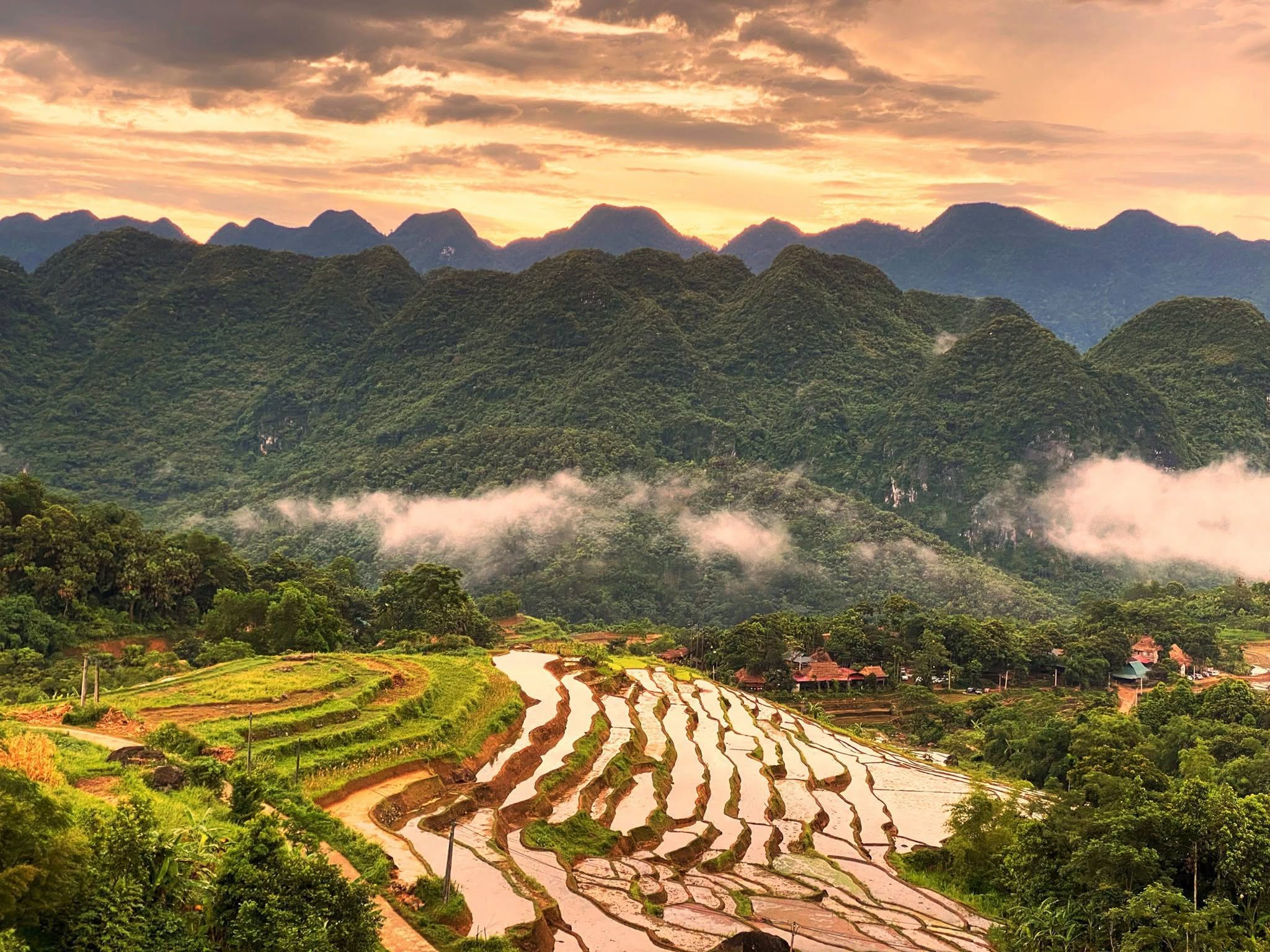
Hoang Su Phi is a particular choice for rice-terrace scenery. Field preparation, green growth and harvesting offer different photographic subjects, and timing varies between villages and years. Ask for recent information from the exact route before making a non-refundable photography booking.
Buckwheat flowers are another seasonal interest associated with parts of the plateau. Verify where they are planted and their current condition rather than expecting every hillside to bloom. A flower photograph should not determine the whole route unless you have checked its location and timing.
Mountain mist can make a cultural visit atmospheric while obscuring a viewpoint. Keep more than one source of interest in the programme so the trip does not depend entirely on a clear panorama.
Arriving from Hanoi
Scheduled road services and private transfers are the main options to investigate. Allow roughly six to seven hours as an initial estimate for many Hanoi-to-gateway journeys, with variation for pickup, stops, traffic and the selected route. Confirm the actual arrival point and schedule.
Daytime travel can suit visitors who want a normal night’s sleep before touring. An overnight sleeper may preserve daytime hours but does not guarantee rest or immediate hotel check-in. Check berth dimensions, luggage allowance and arrangements after an early arrival.
If heading directly towards Hoang Su Phi, arrange the correct destination transfer from the outset. A ticket to the Ha Giang gateway does not necessarily provide the most convenient approach to a countryside lodge. Give the operator the confirmed property address and ask about the final access.
Getting Around and Choosing Where to Stay
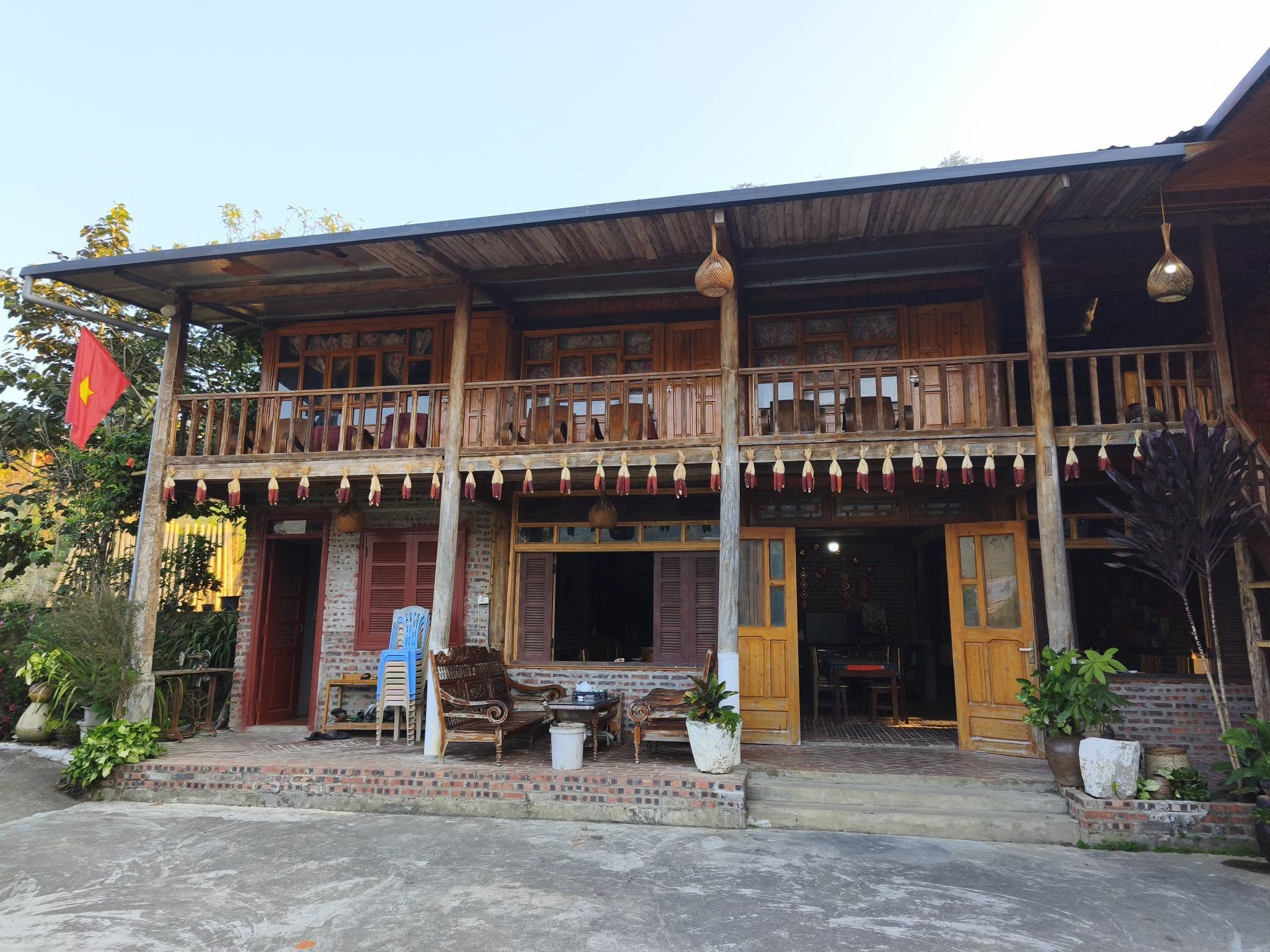
A homestay in the Xin Man area provides a village setting for a stay in the Ha Giang region. (Source: Collected)
Travel by car, with a rider or on foot
A car with an experienced mountain-road driver can provide shelter, luggage space and flexible stops. It can work well for families and travellers who want to combine road travel with village walks. Confirm whether an English-speaking guide is included; driving and interpretation may be separate services.
An Easy Rider arrangement means travelling as a motorcycle passenger. Assess the operator, helmet fit, passenger insurance and daily riding hours. Exposure to rain, wind and cold can affect comfort, even when you are not doing the riding yourself.
Self-riding requires valid authorisation for the vehicle in Vietnam, appropriate experience and insurance. Do not infer permission from a rental shop’s willingness to supply a motorcycle. Verify the documents applicable to your nationality and vehicle before committing.
Walking can enrich any transport choice. Arrange a realistic route, appropriate footwear and a clear pickup location. A car programme does not need to reproduce every motorcycle stop, and not every walking trail allows vehicle assistance halfway through.
Match each overnight to the route
Base or accommodation setting
Main role
Questions to ask
Gateway hotel
Rest before or after travelling farther
Arrival time, luggage storage and onward pickup
Quan Ba or Nam Dam area
Village setting and a slower highland introduction
Road access, hosting and available outings
Yen Minh
A possible overnight within a moving itinerary
Room comfort and relevance to the confirmed route
Dong Van or Meo Vac
Access to selected plateau experiences
Noise, parking and the next day’s driving
Hoang Su Phi lodge or village stay
Base for rice-terrace walking and countryside time
Guide arrangements, terrain and meals
Choose the overnight pattern after deciding your priorities. Staying longer in one place can reduce packing, but may increase return driving if you continue visiting distant sights. Compare the actual daily movements rather than following a universal rule about one base or multiple hotels.
Understand the room you are booking
A homestay may be a shared household, a small guesthouse or a business offering private bungalows. Ask about bathrooms, bedding, meal arrangements and interaction with hosts. A traditional exterior does not establish room privacy or accessibility.
Check hot water, heating when needed, sound insulation and the route from vehicle to room. Families should confirm bed configuration and child charges. Travellers who need reliable internet should ask specifically rather than assuming service is consistent across mountain locations.
Things to Do Beyond Completing a Circuit
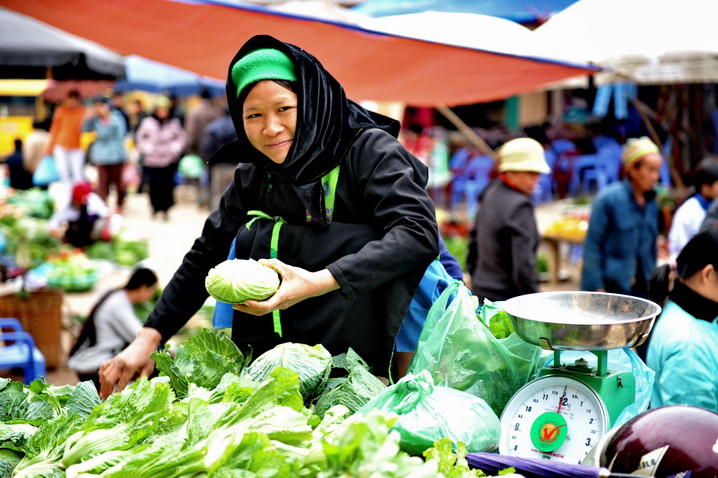
A vendor sells vegetables at Dong Van market; visits should follow the actual market schedule. (Source: Collected)
Explore the plateau with context
Dong Van’s old-quarter area, heritage residences and surrounding settlements can introduce different parts of regional history. At the Vuong family residence, for example, interpretation can connect architecture with trade and influence. Give one well-chosen visit enough time rather than stopping briefly at every named attraction.
Quan Ba’s mountain scenery and the landscapes around Ma Pi Leng offer another perspective. Use designated stopping places and remain off active roadways for photographs. A view is more enjoyable when it is part of a comfortable day rather than a race against darkness.
Consider the Nho Que River as a complete outing
A river excursion can provide a different view of the canyon landscape, but the boat ride is only part of the activity. Ask about the full approach, any shuttle or walking stages, waiting and the return to your vehicle.
Check operating conditions, ticket inclusions and available safety equipment near your travel date. Water colour and visibility vary, so do not build expectations around a single edited photograph. If access or weather is unsuitable, use the time for another agreed activity.
Make time for village life and crafts
Textile production, architecture and agricultural practices can add substance to a highland visit. Arrange encounters with willing hosts or craftspeople, confirm any charge and ask what can be demonstrated on the day. Working communities should not be expected to stage an activity whenever travellers arrive.
Markets can be rewarding when the actual session coincides with your route. Confirm the day and current location rather than adding “local market” automatically to every itinerary. Keep passages clear, ask before close portraits and respect people who prefer not to be photographed.
Avoid giving gifts to children in exchange for pictures. Support local businesses through agreed purchases and services instead. A guide who can explain language, customs and livelihoods often adds more value than another distant viewpoint.
Choose Hoang Su Phi for a walking-focused trip
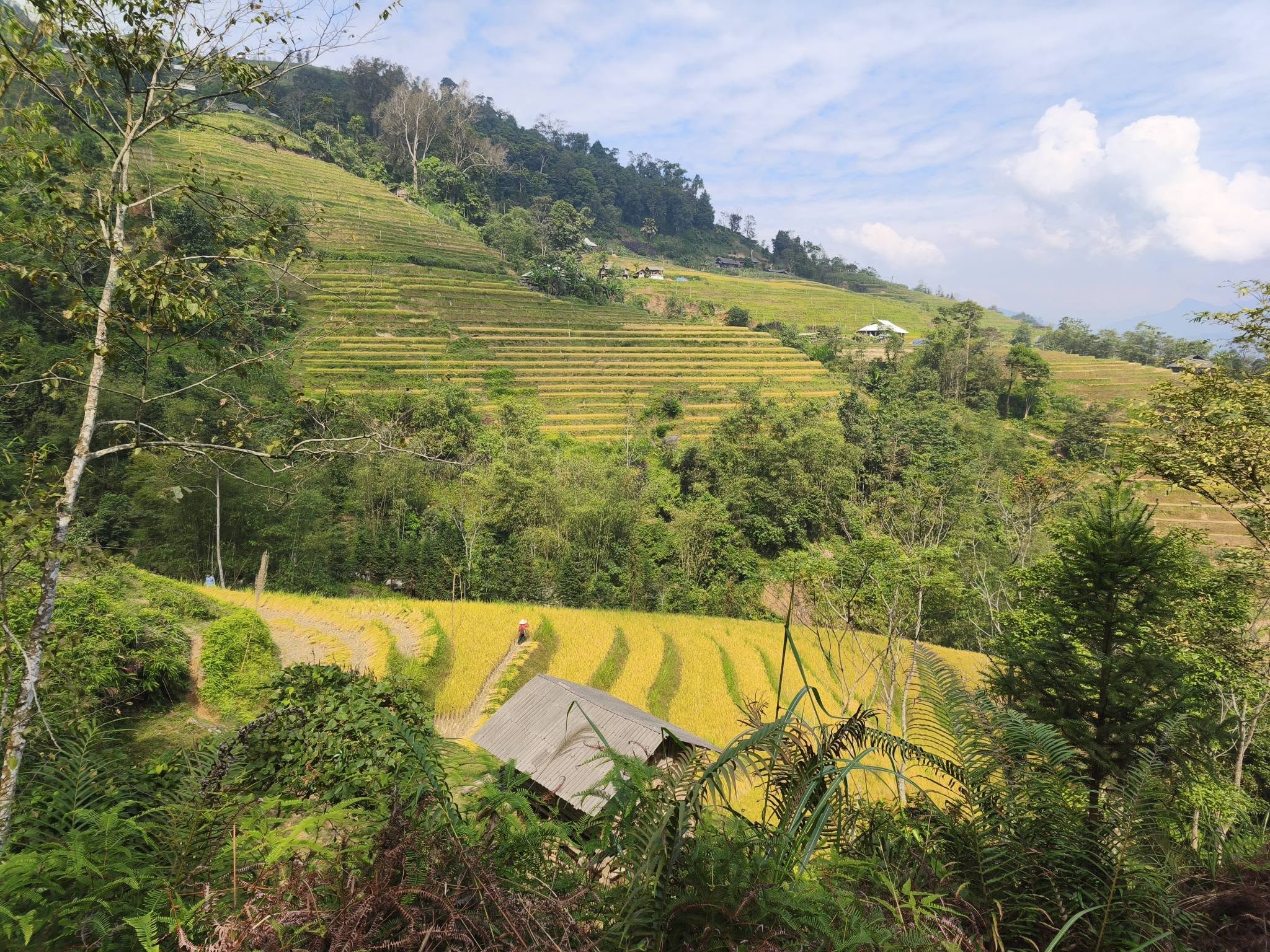
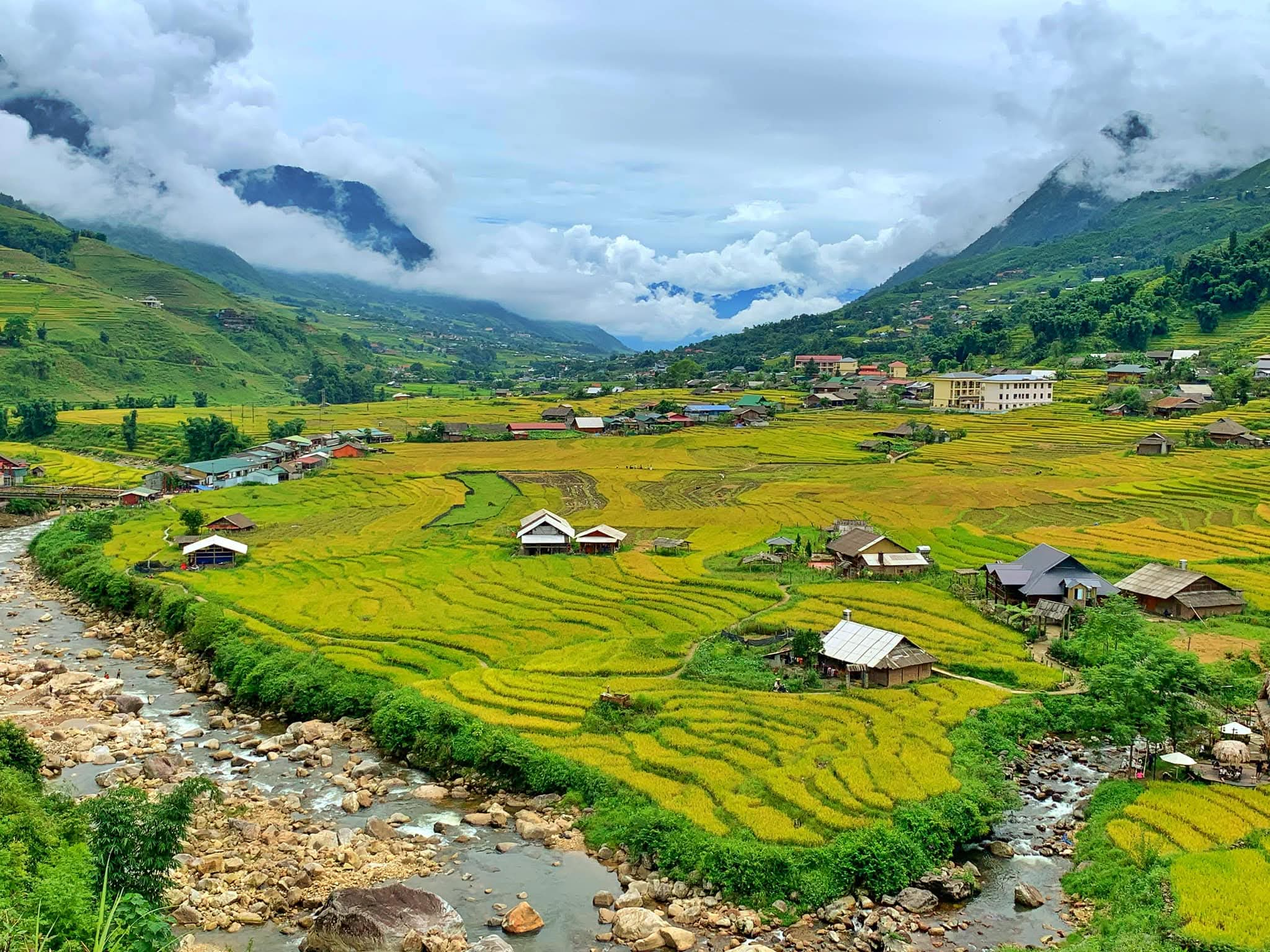
Terraced fields and scattered homes shape the agricultural landscape of Hoang Su Phi. (Source: Collected)
Hoang Su Phi offers a different emphasis: time on foot among cultivated slopes, village accommodation and routes selected for ability. A base in the area can support half-day walks, longer days or multi-day arrangements, depending on access and the provider.
Describe your fitness honestly and ask about ascent, descent, surfaces and recent rain. Distance alone does not determine difficulty. A wet agricultural path may require more balance than a longer surfaced lane, while a steep descent can be harder on knees than the climb.
Arrange a knowledgeable local guide for unfamiliar rural routes and agree alternatives. Keep to permitted paths and avoid entering fields for photographs without permission. The terraces are working land, and the experience is richer when their agricultural purpose remains central.
Enjoy meals as part of the place
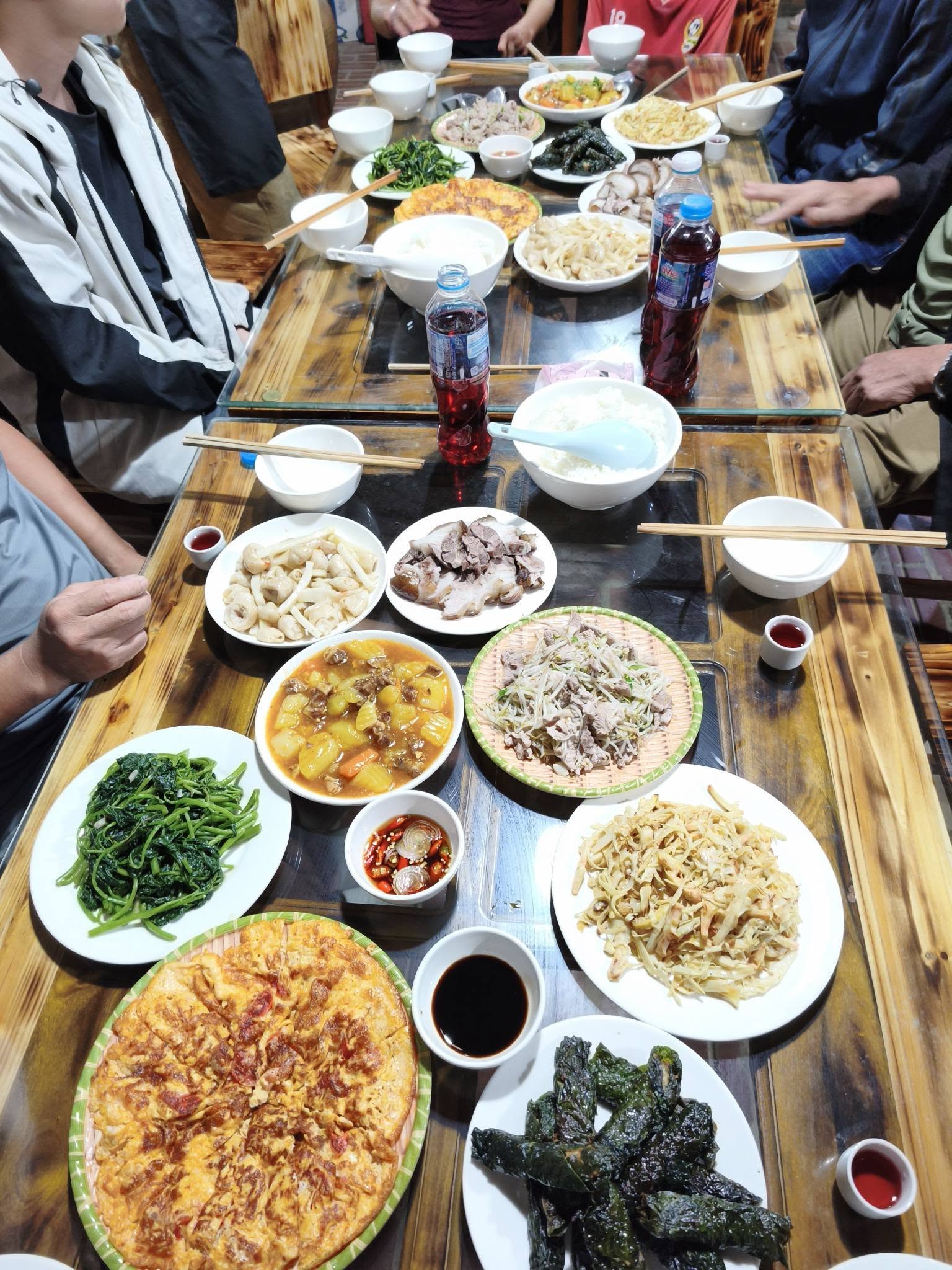
Let a host explain available ingredients and regional dishes rather than expecting one menu everywhere. Shared meals can provide a natural opportunity to talk when hosts are comfortable doing so. Confirm whether dinner is included, particularly at accommodation away from restaurant areas.
State allergies and dietary needs clearly, including sauces and broths. Check prices and portions before ordering unfamiliar items or large shared dishes. Leave room for ordinary breakfasts and warm drinks between outings rather than scheduling a formal experience at every meal.
Budget, Preparation and Frequently Asked Questions
A shared meal at a homestay in the Xin Man area of Ha Giang. (Source: Collected)
Build a budget around the chosen experience
The allowances below are editorial estimates, not live quotations. They assume two adults sharing accommodation and splitting the room cost. They exclude Hanoi connections, private touring vehicles or riders, guides, entrance fees, boat trips, major excursions, visas and insurance.
Travel style
Allowance per person per day
Main assumptions
Budget-conscious
VND 700,000–1,200,000
Simple shared room, local meals and limited incidental spending
Comfortable mid-range
VND 1,300,000–2,300,000
More comfortable shared accommodation and varied dining
Higher-comfort arrangements
VND 2,800,000–5,000,000 or more
Upgraded available rooms, dining and extra comfort
Price transport and guiding separately before using a daily average. Small private groups share these costs among fewer people. Paying more also does not create a five-star hotel in every village, so check each overnight property and room category.
Compare quotes for the same days, nights and inclusions. Our Ha Giang Loop and Highland Communities tour is one option for a plateau-focused journey. Treat the published programme as something to assess against your interests, rather than the only way to visit Ha Giang.
What should you prepare?
Pack layers, waterproof outerwear, shoes with grip and a small daypack. Protect electronics and keep a dry change available after wet activities. Ask about laundry and drying arrangements if your trip includes several walking days.
Carry some Vietnamese dong for small purchases, save hotel details offline and agree pickup points in advance. If storing main luggage at the gateway, confirm security and opening hours. Leave a sensible buffer before an onward flight or cruise after returning from the mountains.
Check the programme with your provider for any documents, registrations or access requirements applying to your nationality and route. Border-area arrangements and restricted activities should be verified specifically. Respect signs, closures and photography restrictions, and do not fly a drone without necessary permission.
Can you enjoy Ha Giang without a motorbike?
Yes. A car-based journey with suitable stops and village walks can be rewarding. It is particularly useful when you prefer weather protection and luggage convenience. Choose a programme designed around that transport rather than copying every motorcycle stop.
Should you visit the plateau or Hoang Su Phi?
Choose the plateau for limestone scenery, heritage and a travelling highland journey. Consider Hoang Su Phi when rice terraces and walking are central interests. Combining them can work with additional days and deliberate routing.
How many days do you need?
Allow several usable days for the chosen region, then account separately for Hanoi transfers. Four plateau days is a useful first-visit framework; a focused countryside stay can follow a different rhythm. Reduce the geographical scope when your available time is short.
Will you see golden rice or buckwheat flowers?
Only when the location and timing align. Verify the actual fields before committing to a photography-led trip. Keep other interests in the programme so a changing crop or poor visibility does not determine its whole value.
How should you plan a first visit?
Choose one main region, a transport style you can comfortably use for several days and accommodation matching your expectations. Then select a few experiences you want to understand. That gives your guide room to adapt the programme when conditions change or a place deserves longer.
Contact Vietnam Travels with your dates, group size, preferred transport and comfortable walking level. Mention whether limestone scenery, rice terraces, culture or quieter village time matters most, so the journey can be designed around your priorities.
Research checked on 14 November 2026. Durations and budgets are planning estimates. Confirm current transport, roads, seasonal scenery, documents and activity availability for your actual route.