Trains from Hanoi to Sapa: Choose a Sleeper and Book with Confidence
November 25, 20266 min read
Searching for trains from Hanoi to Sapa can produce a confusing mixture of railway departures, tourist carriage names and transfer packages. The first distinction is simple: the railway takes you to Lao Cai, while Sapa requires an onward road journey. The second matters when booking: offers on the same train may describe different compartments, services and cancellation conditions.
This guide concentrates on comparing those offers before you pay. For a wider comparison with road travel, use our guide to Sapa from Hanoi. Choose the train because the experience suits your group, rather than assuming a berth guarantees a full night's sleep or replaces every accommodation expense.
Separate the Train, the Carriage and the Transfer
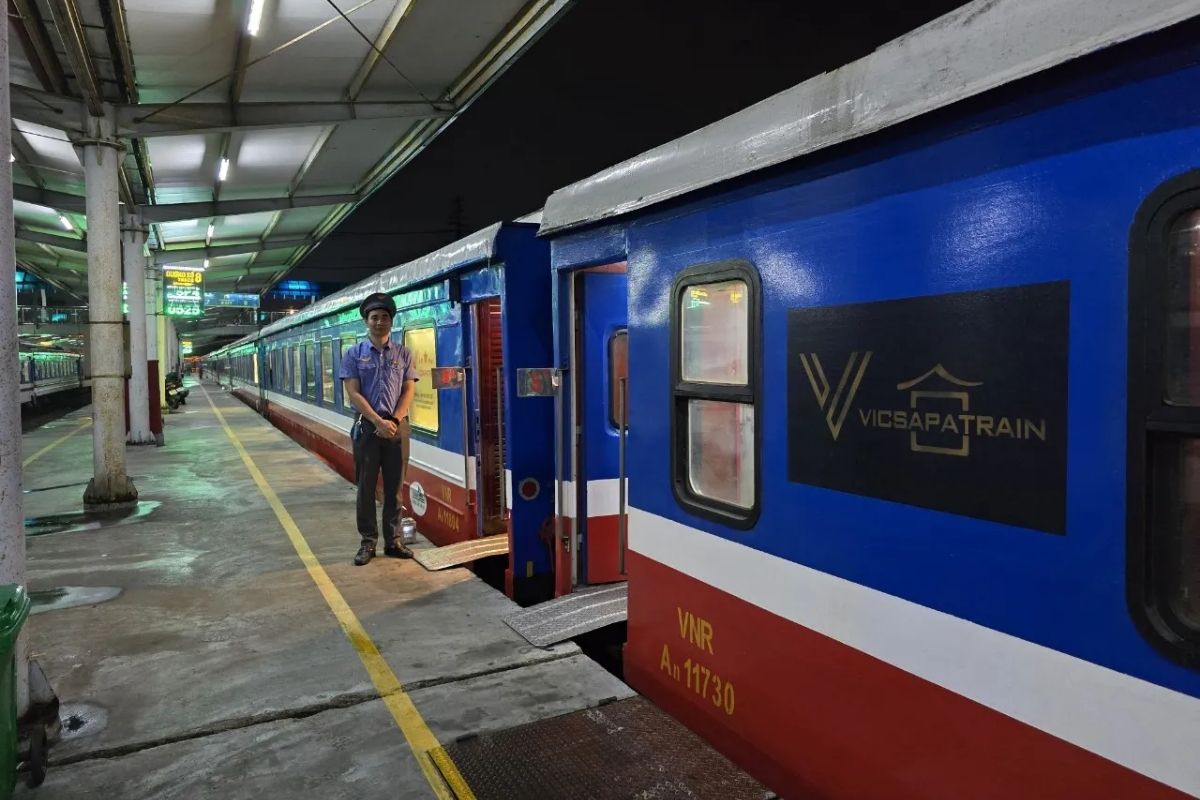
Confirm the actual railway service as well as any tourist carriage name when booking. (Source: Collected)
The train number identifies the railway service. A tourist carriage brand may identify only part of that train, not a separate departure. Read an offer in three layers: the service, the accommodation assigned to you and the arrangements beyond the station. A photograph of a decorated compartment does not establish all three.
Vietnam National Railway Group's route announcement describes evening departures from Hanoi and early arrivals in Lao Cai. Services and tickets for your date remain the decisive reference. Check the train number, travel date, departure station and arrival station on the issued ticket, particularly when an intermediary's headline simply says Sapa train.
Next, establish what the seller supplies. Is it a railway berth alone, a place in a particular tourist carriage, a whole compartment, or a package including pickup and a Lao Cai transfer? Ask who provides assistance if ticket details do not match the booking confirmation. Keep that contact available offline.
Treat each road transfer as separate until the quotation explicitly includes it. Confirm the meeting point, vehicle arrangement, destination address and whether the service is shared. A ticket ending at Lao Cai does not promise delivery to a Sapa hotel, village lodge or walking departure point.
Compare Berths and Compartment Privacy
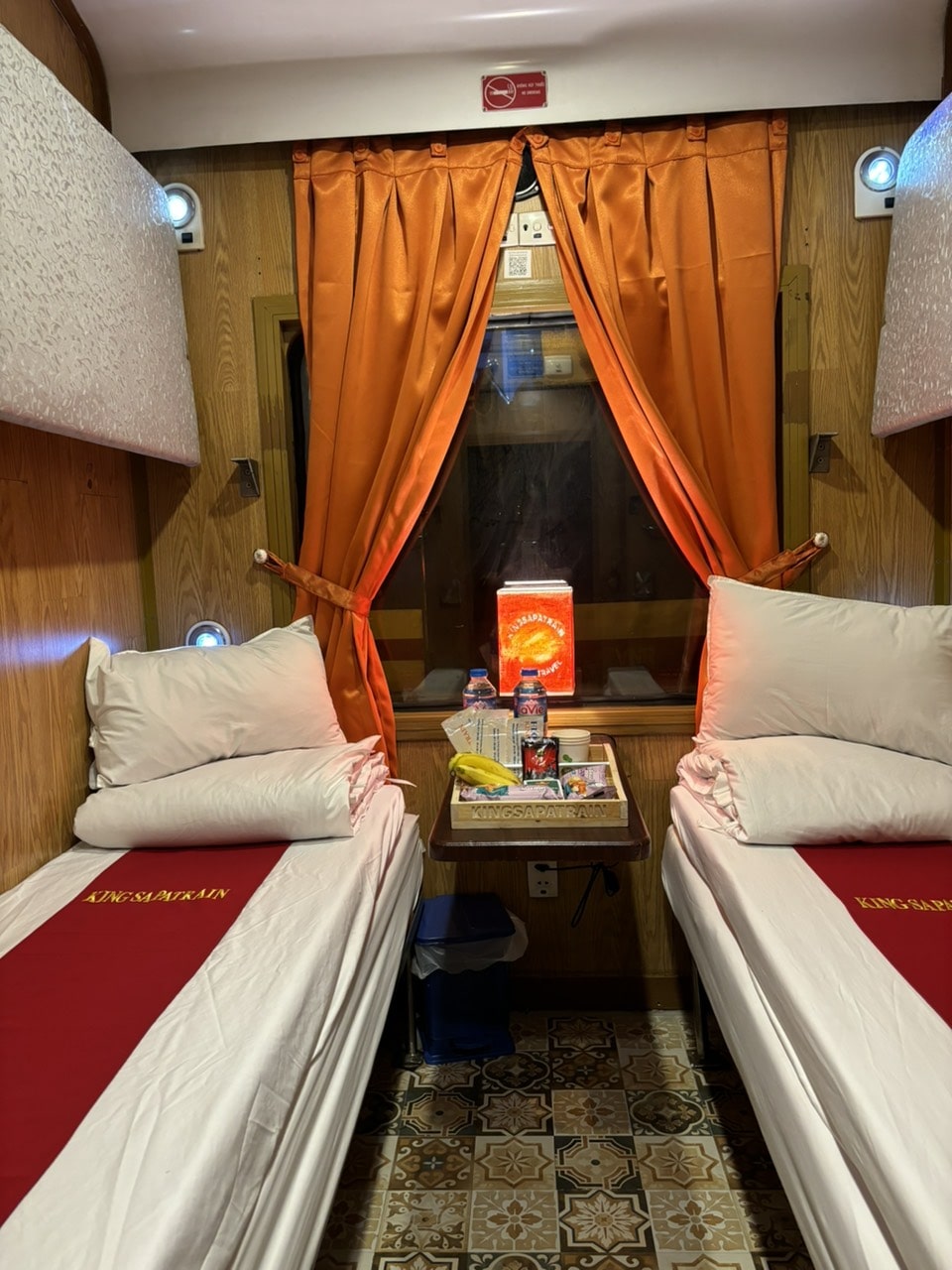
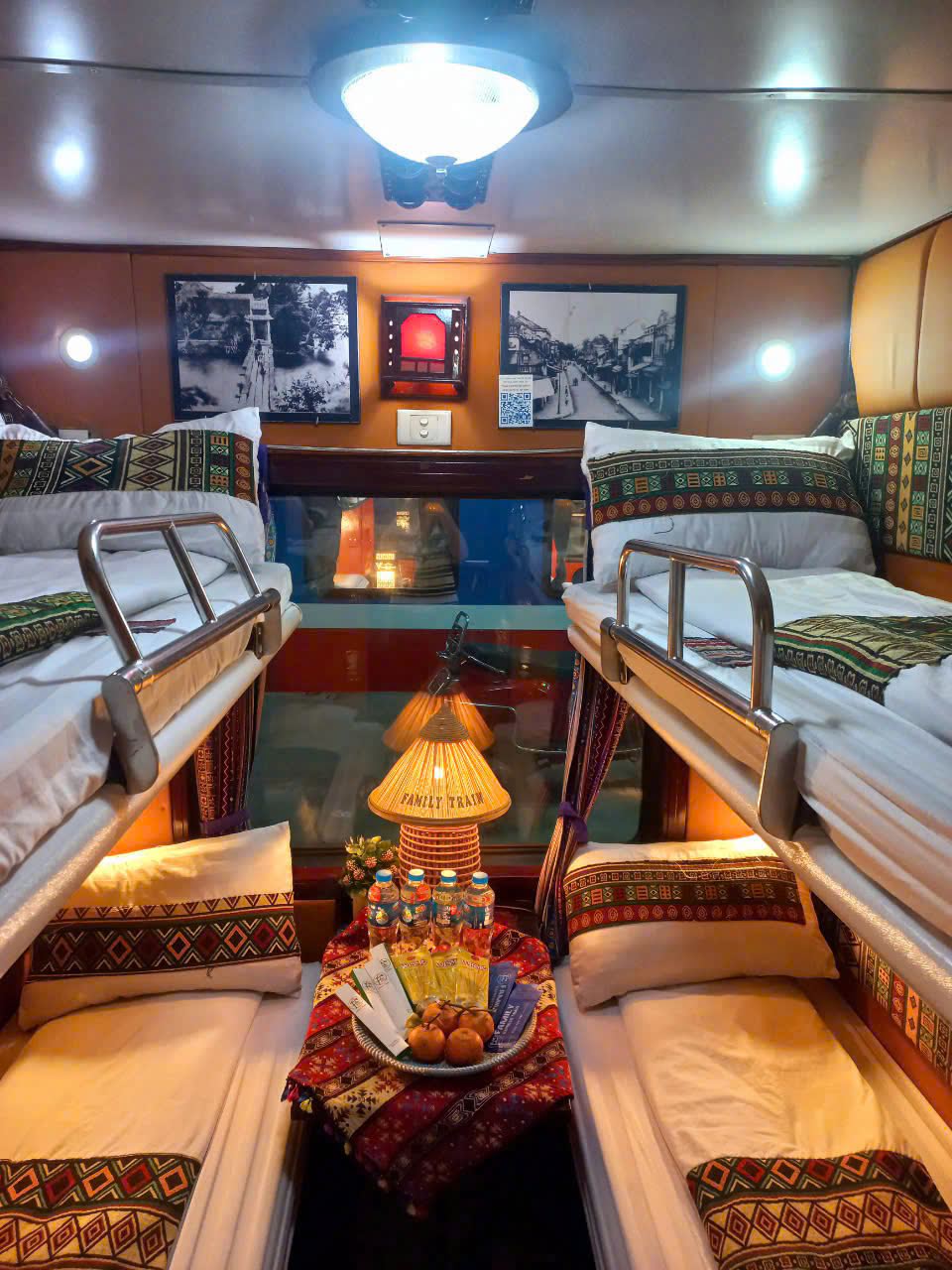
A sleeper compartment illustrates why berth allocation and exclusive use need separate confirmation. (Source: Collected)
Start with the sleeping arrangement rather than the description luxury. Ask how many berths are in the compartment, how many your payment buys and whether strangers may occupy the remaining places. Buying two berths does not automatically reserve the room for two people. A private compartment needs explicit confirmation of exclusive use.
Request the berth position if climbing is a concern. Upper and lower berths create different practical choices for children, older travellers and anyone with limited mobility. Availability may restrict what can be assigned. Confirm the actual arrangement before payment instead of treating a preference submitted to the seller as a guaranteed allocation.
Ask about bedding, toilets and luggage space. Establish whether the toilet is shared at carriage level; do not infer an ensuite bathroom from a room-like photograph. Check whether the image represents the carriage and category being sold. Decorative differences can be less important than a usable bed, manageable access and clear information.
For families, clarify how the operator treats children, whether each child needs a separate berth and which identity documents are required. Avoid applying a rule found on an unrelated booking website. The seller should explain the conditions applying to the specific ticket, including any restrictions on sharing a sleeping place.
Be realistic about rest. Movement, station stops, other passengers and temperature can affect sleep. Keep valuables close, pack layers and place overnight essentials where you can reach them without unpacking a large case. An evening departure can save daytime travel hours, but does not guarantee you will arrive ready for strenuous sightseeing.
Check What the Price Actually Includes
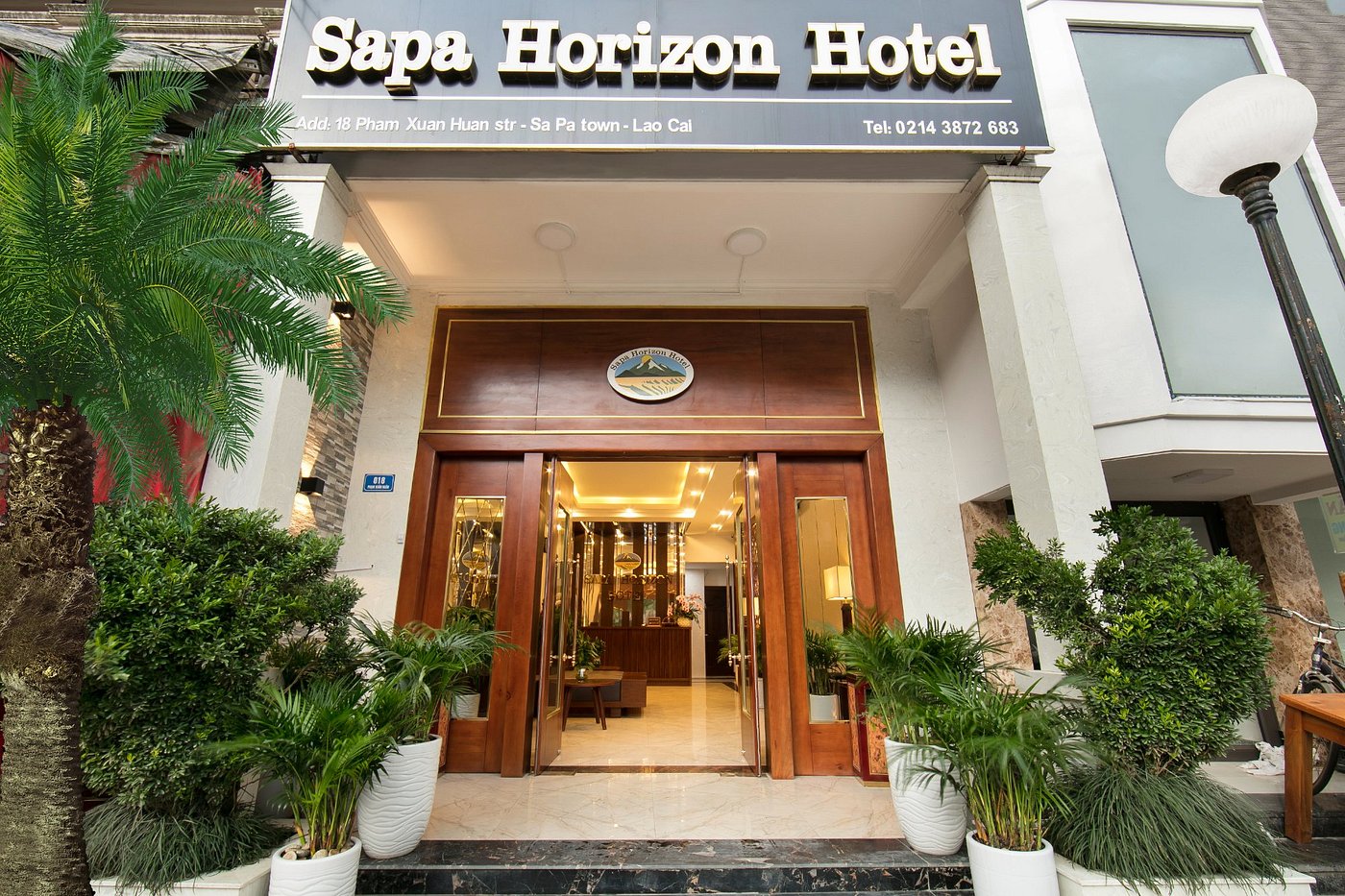
Arrange luggage storage and room access with your Sapa accommodation before the early arrival. (Source: Collected)
Compare offers using the same unit: one person in one berth, or exclusive use of an entire compartment. Check the currency and total payable amount, then identify booking charges and services priced separately. Avoid comparing a rail-only fare with a combined rail-and-transfer package as though they were the same purchase.
Meals, drinks, station assistance and hotel pickup should be listed individually if they influence your decision. Ask whether a stated inclusion is supplied onboard or before boarding. If dinner matters, make your own arrangement unless a meal is confirmed. Dietary requests require confirmation; a booking comment does not establish that a kitchen can accommodate them.
Read cancellation and amendment conditions before paying. Find out what happens if you change the date, miss the departure or cannot travel. Keep a copy of the terms attached to your offer. Third-party service charges and railway ticket conditions may be separate, so ask which amounts are refundable and who processes a claim.
Check the passenger names and documents requested by the booking channel. Review the confirmation promptly and request corrections through the seller's process. Store the ticket, receipt and assistance contact offline, together with transfer instructions. For a coordinated itinerary, our custom Vietnam tour service can help discuss these connections in one proposal.
Plan the First Morning Before Boarding
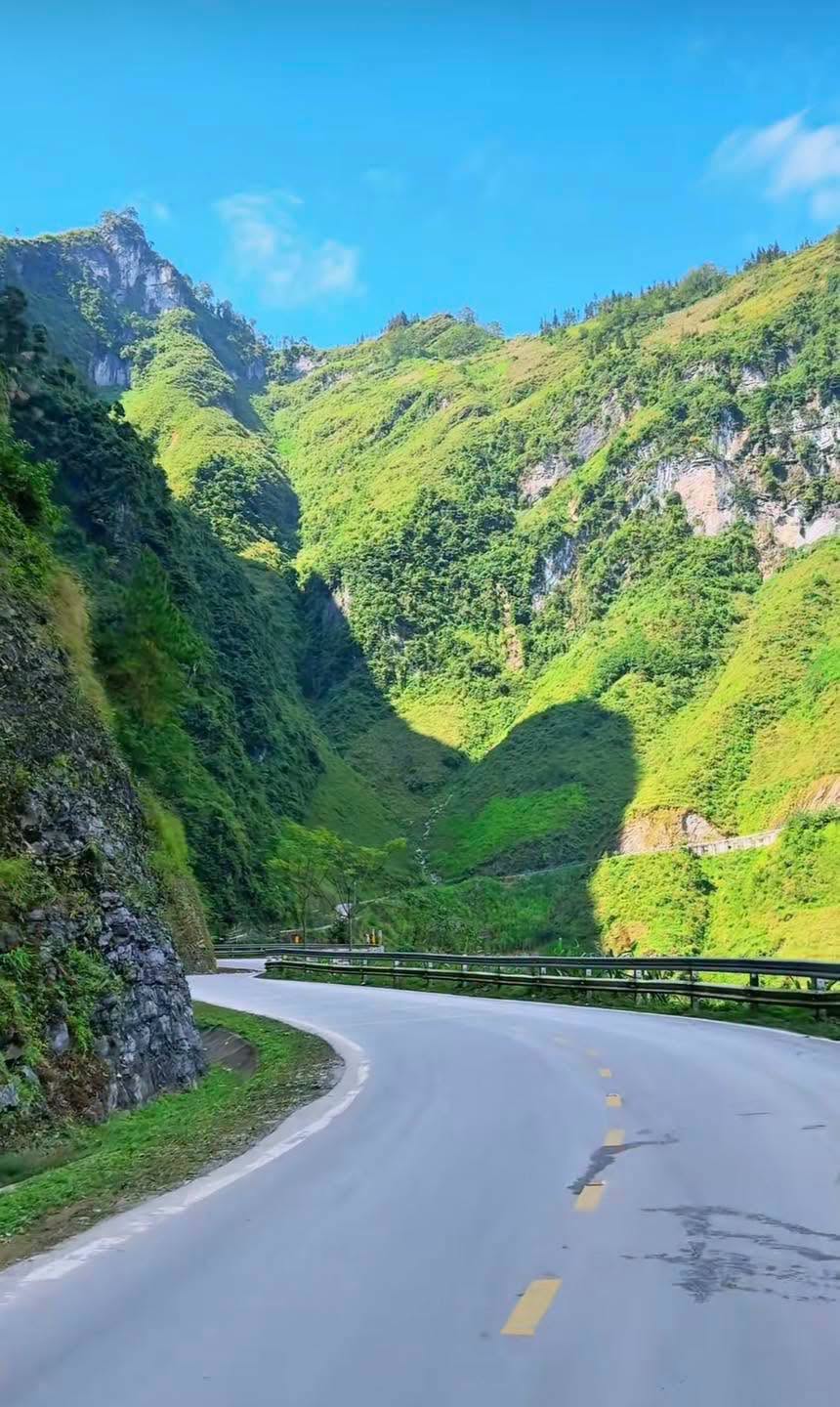
Leave enough flexibility to enjoy Sapa’s surrounding valley after the overnight journey. (Source: Collected)
An early Lao Cai arrival creates a gap between leaving the train and the usual rhythm of a hotel stay. Confirm where breakfast, luggage storage and washroom access will be available. Early room access should be treated as unconfirmed unless the property has agreed to it, including any additional charge.
Send your onward driver the confirmed railway details and ask how changes will be handled. Establish where you should wait if the parties cannot immediately find each other. Keep a contact method available and retain the accommodation's written address; a village property can require different arrangements from a central Sapa hotel.
Keep the first day's programme flexible. A short town outing or relaxed meal may work better than committing to a demanding walk after broken sleep. Our Sapa Travel Guide helps match activities to the setting, while the best time to visit Sapa guide explains seasonal considerations.
Before paying, summarise your booking in one sentence: which train, which berths, how much privacy and which onward transfer. If any part remains unclear, resolve it first. A clear confirmation makes the overnight journey easier to manage and leaves fewer decisions for a tired arrival morning.
For the return journey, make the same checks independently: a familiar carriage name does not establish an identical timetable or transfer arrangement.
Information checked on 25 November 2026. Confirm services, carriage allocation, ticket terms and transfers for your travel date. Photographs illustrate library examples rather than a guaranteed booked compartment.