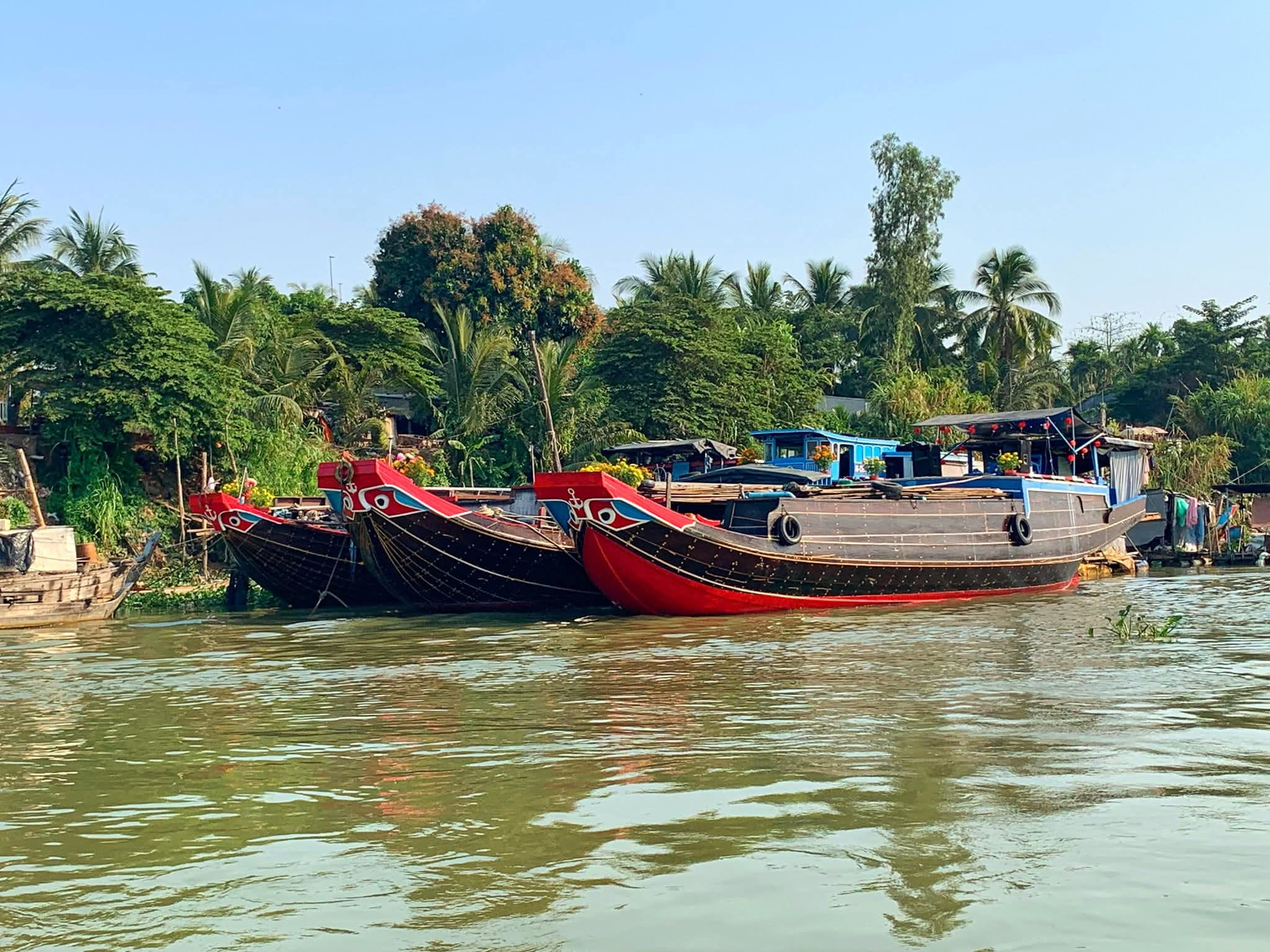
Vietnamese Mekong Delta: Waterways, Local Life and First-Visit Planning
October 16, 20266 min read
The Vietnamese Mekong Delta is easier to enjoy when you treat it as a region rather than a single attraction outside Ho Chi Minh City. River channels, orchards, workshops, towns and family homes create different experiences, and a short boat ride cannot represent them all. Your first decision is how much time to give the journey and which aspect of local life interests you most.
For a quick introduction, choose one manageable area and combine activities nearby. For a deeper visit, stay overnight and let mornings, meals and conversations become part of the experience. This guide explains how to choose your base, assess an excursion and prepare for travel without relying on promises of crowded floating markets or a fixed postcard scene.
Choose Your Delta Base Before Choosing a Tour
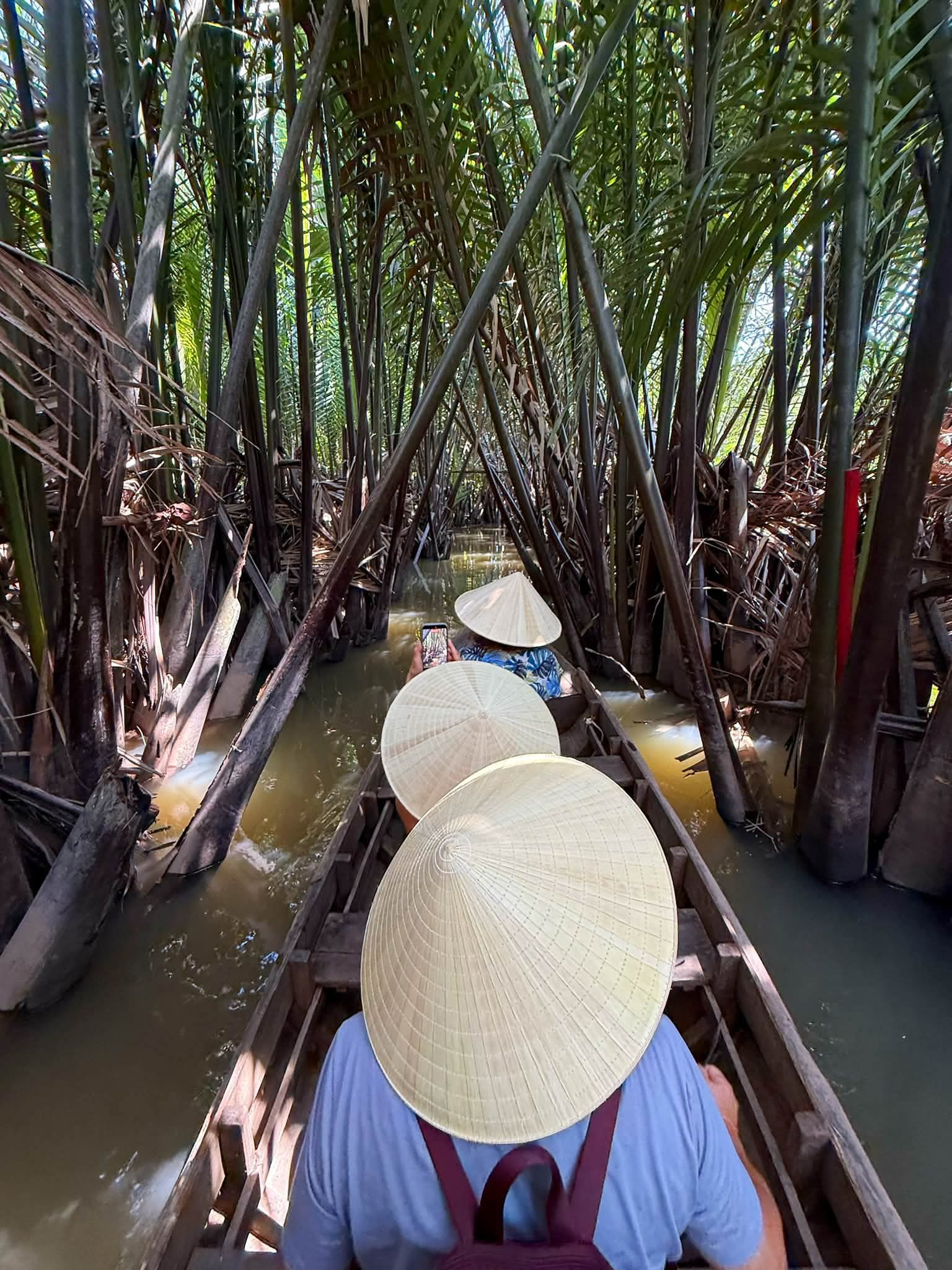
A small boat passes through a palm-lined waterway in the Mekong Delta. (Source: Collected)
Start with your available time and departure point. My Tho and Ben Tre are common starting points for excursions from Ho Chi Minh City, while Can Tho is a different destination with its own urban and riverside setting. Do not assume a programme covering several names provides more meaningful experiences than a focused visit to one area.
A day trip can introduce waterways and village activities when the route is concentrated. Read the sequence carefully: road travel, transfers between boats, lunch and shopping stops all take time. Ask how long you actually spend on the water and whether the programme includes a walk, a workshop or an opportunity to learn about local agriculture.
An overnight stay becomes useful when your interests require an early start or a slower rhythm. Can Tho can provide a base for a market outing, nearby communities and riverside time. A rural guesthouse offers another experience, but check where it is located, how you reach it and whether evening meals are available without another substantial journey.
For a broader journey, consult our 2 week Vietnam itinerary before adding the delta. Count usable hours rather than simply adding a destination to the map. A late arrival followed by an early departure leaves little time for discovery, even when the booking is described as two days and one night.
Look Beyond the Boat Ride to Everyday Skills
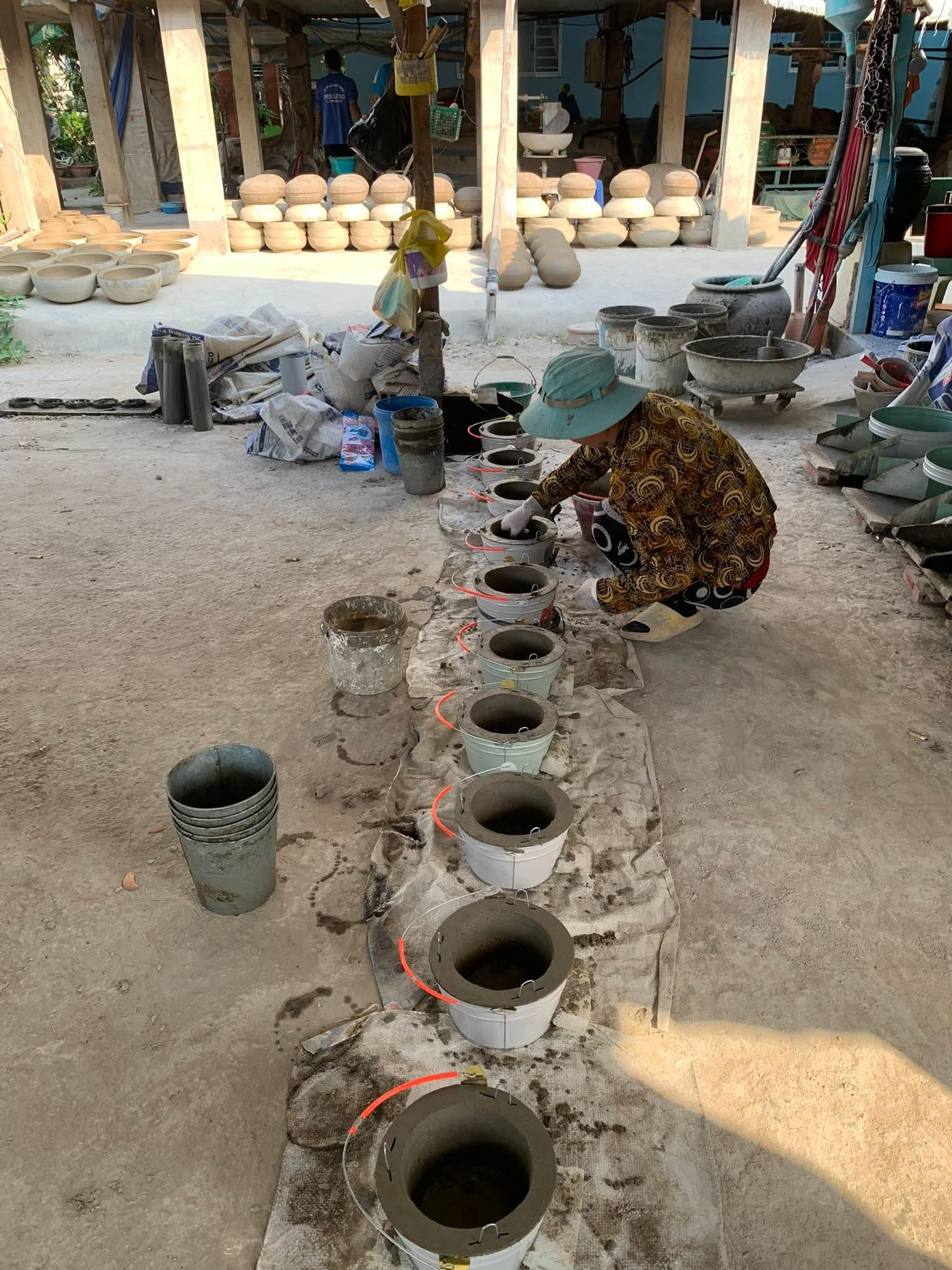
A craft workshop illustrates the practical skills visitors can explore during a community-focused excursion. (Source: Collected)
Boats provide a different perspective on settlement and work, but they are only part of the visit. A carefully arranged programme can connect a water journey with food preparation, a craft workshop, an orchard or a village walk. Ask what you will learn at each stop and who will explain the activity.
Workshop visits are more rewarding when you can observe a real process and understand the materials involved. Check whether the visit centres on production, a demonstration for travellers or a retail showroom. These are different experiences. There is nothing wrong with purchasing something you like, but shopping should not replace the cultural content you expected.
Local meals can reveal as much as a scheduled attraction. Ask your host or guide about ingredients, seasonal produce and the relationship between cooking and the surrounding landscape. Explain dietary restrictions clearly and confirm sauces and broths as well as the main dish. Avoid assuming every homestay meal can be changed without advance notice.
Keep community encounters respectful and specific. Confirm whether a family visit is arranged with the household, how the host participates and what payment supports. Ask before photographing people or entering private spaces. A small group and a good interpreter can make a simple conversation more valuable than a packed schedule of brief stops.
Approach Floating Markets and Cultural Visits Realistically
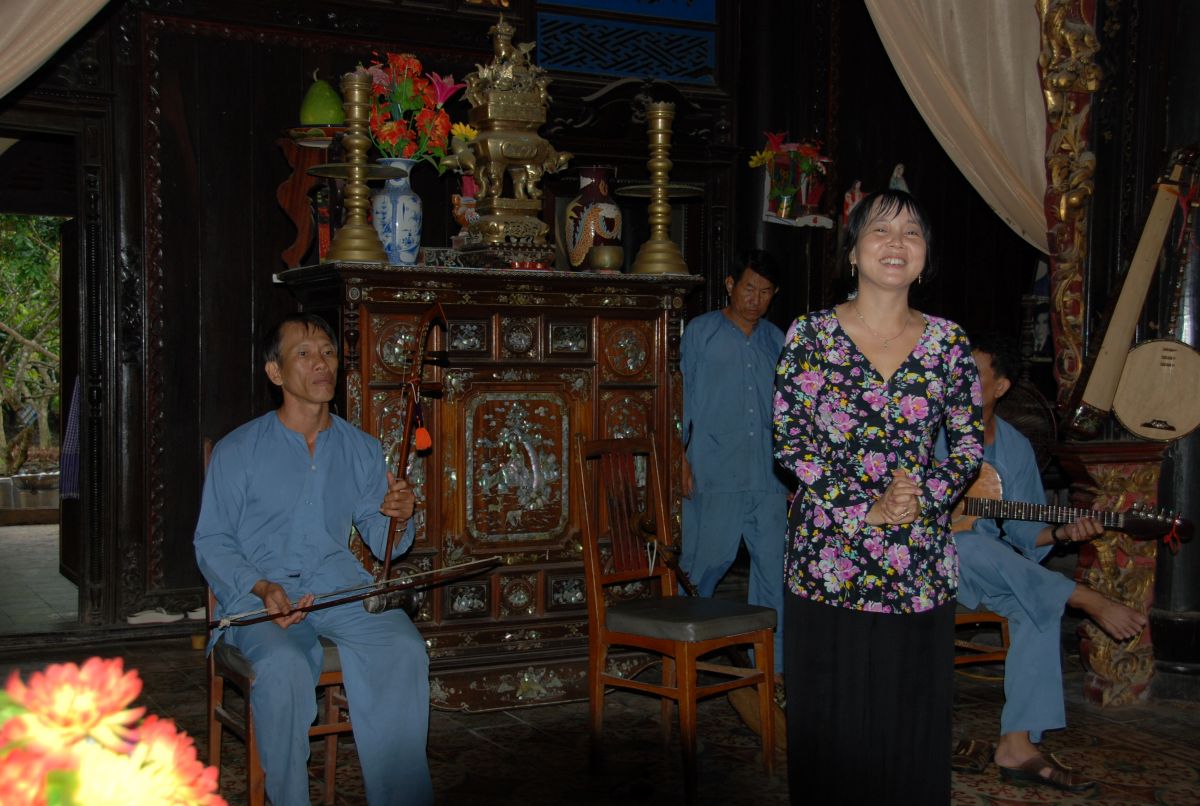
Music performed inside a traditional house illustrates one aspect of cultural life in the delta. (Source: Collected)
Cai Rang near Can Tho is associated with floating-market visits, but an old photograph does not establish the level of trading you will encounter. Activity can differ between days and seasons, and commerce changes over time. Ask a local provider for a recent description of the experience rather than booking solely for an image of densely packed boats.
If an early market outing matters, staying nearby is generally more practical than attempting to reach it after a long same-day transfer. Confirm departure arrangements, the boarding point, boat size and the expected duration. Ask whether breakfast or a canal visit is included, and what alternative is offered when conditions affect the planned route.
Give land-based heritage equal attention. Can Tho’s Binh Thuy ancestral house offers a way to discuss architecture and family history, while other visits may introduce religious traditions, music or regional livelihoods. Choose sites with suitable access and current visiting arrangements. A guide should explain the setting without presenting every household or community as culturally identical.
Consider balancing the delta with the urban history of Ho Chi Minh City or our Cu Chi Tunnels history and travel guide. These visits tell different stories. Combining them across several days usually allows more context than compressing distant experiences into one long outing simply because they share the same departure city.
Plan Comfortable Transport and a Flexible Stay
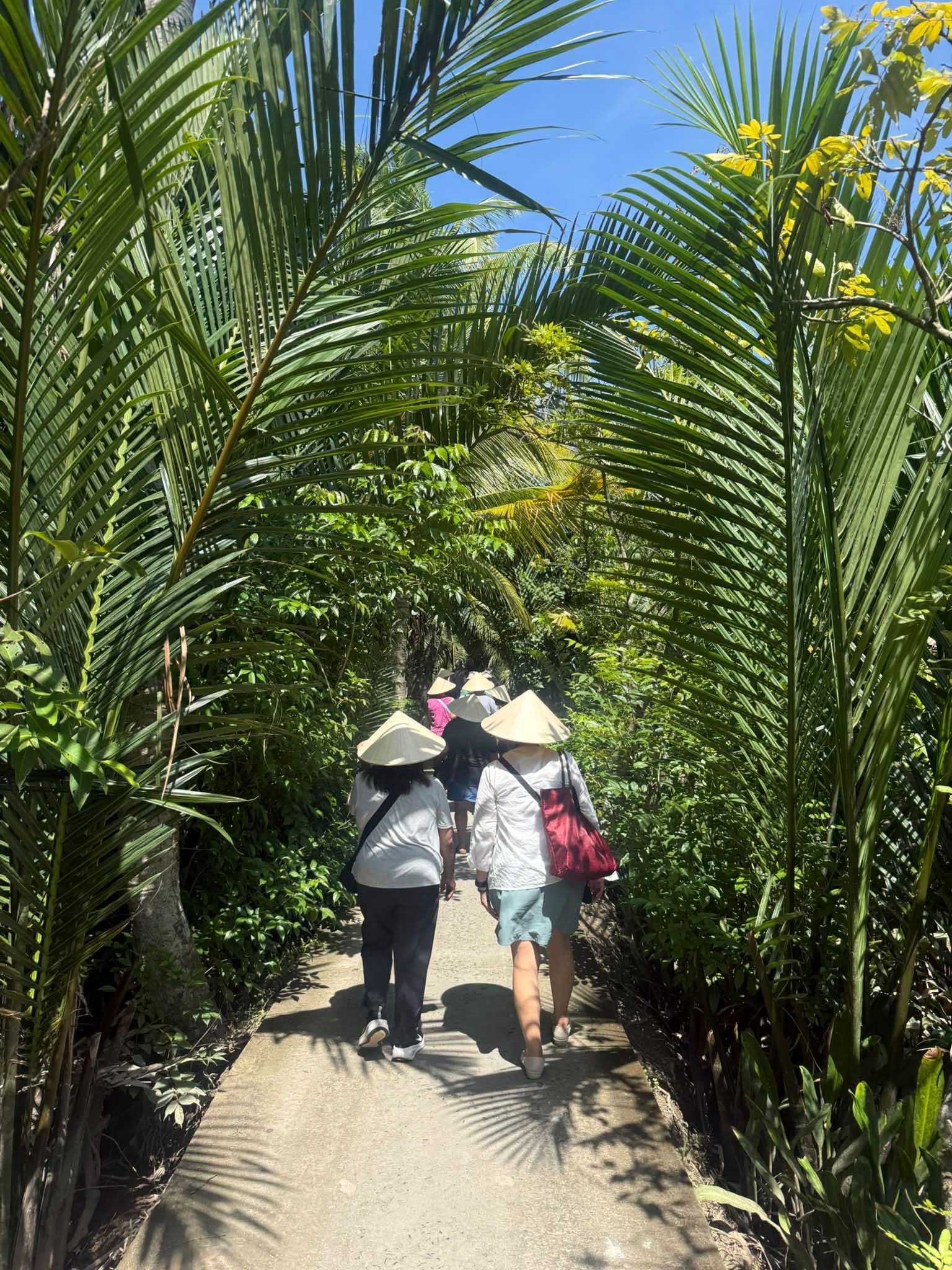
Visitors follow a shaded local path; walking conditions should be checked for each outing. (Source: Collected)
Compare the complete journey when choosing transport. Your hotel location, road traffic, stops and the final village transfer influence the day more than an optimistic driving estimate. Request the exact pickup and drop-off points, vehicle capacity and luggage arrangements. If you are continuing directly to an airport, leave a generous buffer and confirm the operator understands your flight details.
The region is warm, and outdoor comfort deserves planning. Carry drinking water, sun protection and a light rain layer. Use seasonal guidance as a starting point, then check conditions for the actual excursion. Tides, rain and local operating arrangements can influence small-waterway access, so avoid treating every advertised route as guaranteed.
For boating, check suitable life jackets and boarding assistance before departure. Families should ask about equipment for children and the amount of time spent sitting in small craft. For cycling, assess the route, surfaces and traffic rather than assuming flat terrain makes every ride straightforward. Choose walking or vehicle support when that better suits your group.
Before paying, clarify accommodation, meals, guiding, entrance charges, boat services and cancellation terms in writing. Share your available time, preferred comfort and interests through our custom Vietnam tour request form. A good plan should explain what happens between the headline attractions and leave enough space for the ordinary details that make the delta memorable.
Research checked on 16 October 2026. Confirm current market activity, access and operating arrangements for your travel dates.